Medical emergency? Call your local emergency number
First aid guides

Menu

Truth or Myth? Clearing Up Confusion About Fruits That Boost Immunity

Truth or Myth? Clearing Up Confusion About Fruits That Boost Immunity Nutrition 3 min read
Not yet medically reviewed. This page has not been checked by a qualified medical reviewer. Use it for general education only and confirm anything important with a healthcare professional. Written by GeoMed Editorial Team. Last updated 24 October 2026.

Over 70% of your immune system lives in your gut. That’s right: what you eat directly affects how well your body defends itself. With that in mind, it’s no wonder people stock up on oranges, lemons, and “superfruits” when flu season hits. But here's the issue: not everything you hear about immune-boosting fruits is true. Some of it is marketing hype. Some of it is just wrong. In this article, I’m going to break down popular beliefs about fruits and immunity myth by myth. No fluff, no false promises just evidence-based facts. You'll walk away knowing exactly what helps, what doesn't, and how to make smarter choices every time you hit the fruit aisle.

Myth 1: Oranges Are the Ultimate Immunity Booster

Fact: Oranges are great but they’re not the only heroes.

They’re loaded with vitamin C, which helps support your immune cells. But did you know that a single kiwi has more vitamin C than an orange? So does a cup of chopped red bell pepper, and yes, that counts as a fruit in botanical terms.

If you’re depending on oranges alone, you’re limiting your defense system. Mix in papaya, strawberries, and guava for even more punch. Apple are better than Oranges A variety of fruits brings a variety of nutrients and that’s what your immune system really craves.

Action Tip: Aim for 2-3 different vitamin C–rich fruits daily. Rotate weekly to prevent nutrient gaps. What are the health benefits of eating oranges?

Myth 2: Pineapple Cures Sore Throats

Fact: Pineapple can help but it's not a cure.

It contains bromelain, a natural enzyme that may reduce inflammation and ease mild throat discomfort. That’s helpful, yes. But bromelain won’t “kill” the virus causing your sore throat. Does pineapple really works for a sore throat

Think of it like this: pineapple may soften the edges of the problem, but it doesn’t solve it.
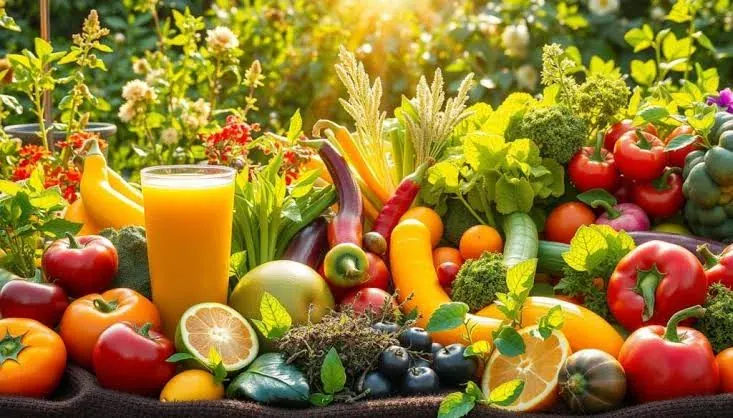
Truth or Myth? Clearing Up Confusion About Fruits That Boost Immunity

Myth 3: Lemon Water Wipes Out Viruses

Fact: It doesn’t.

Lemon water supports hydration and provides a little vitamin C boost. That’s good. What it doesn’t do is kill viruses or flush them out of your system.

Does lemon fight infection?No matter how much lemon you add, water isn’t a magic detox. But being hydrated? That matters a lot.

Action Tip: Add lemon to water for taste and a small antioxidant boost, but don’t rely on it as an immunity strategy. Focus on total hydration: 6–8 glasses of water per day.

Myth 4: An Apple a Day Keeps the Doctor Away

Fact: Apples are healthy but not miracle workers.

They contain fiber (which your gut bacteria love), vitamin C, and antioxidants. That’s a good combination. But on their own, apples won’t prevent illness. A strong immune system needs multiple players on the team nutrients, exercise, sleep, and low stress.

One fruit can’t do all that. Not even a Honeycrisp.

Action Tip: Keep apples in your diet, but pair them with nuts or yogurt for protein and healthy fats. That’s a smarter snack for your immune health.

Myth 5: “Superfruits” Like Acai and Goji Are Game Changers

Fact: They’re great but not magical.

Acai, goji berries, and similar “superfruits” contain high levels of antioxidants. That helps reduce oxidative stress, which can indirectly support immunity. But guess what? So do blueberries. So do blackberries. So does a regular pomegranate. Are goji berries superfoods? Why or why not do you think this is so?

You don’t need to chase trendy, imported fruits to get results. Local fruits can be just as powerful and a lot cheaper.

Action Tip: Don’t fall for the superfruit label. Focus on eating a variety of berries, citrus fruits, and colorful produce regularly.

So, What Actually Works for Immune Support?

Let’s get practical. Here’s what you should do if you want to genuinely strengthen your immune system with fruit:

  • Eat the rainbow. Different colors = different nutrients. Try to get 5–7 servings of fruits and vegetables daily.

  • Don’t overdo the sugar. Even natural sugars can be too much. Choose whole fruits over juices most of the time.

Focus on consistency. A week of healthy eating won’t do much. Build habits you can sustain.

  • You don’t need exotic fruits or pricey powders to feel better. You just need real food, eaten often and in balance with the rest of your lifestyle.

Final Thoughts

Immune-boosting fruits are real but not every claim about them is. The truth lies in the bigger picture: variety, balance, and evidence-based choices.

So next time you see a social media post pushing a “miracle fruit,” remember this: your immune sy

stem isn’t fooled by hype. But it does love a good papaya.

but they’re not the only heroes.

Image credits

  • Heading image: GeoMed

Comments (0)

Be the first to comment on this article!

Share your thoughts and start the discussion.

Leave a comment

Comments are public and reviewed by a moderator before they appear. Please don’t share personal medical details, as we can’t give individual medical advice in comments. Comments are not reviewed medical content.

By commenting you agree to our terms of use and comment policy. See our privacy policy for how we handle your data.

More articles

View all
What Happens to Sperm in the Male Body When Ejaculation Doesn’t Occur? Sexual & reproductive health

What Happens to Sperm in the Male Body When Ejaculation Doesn’t Occur?

Every day, the male body produces millions of sperm. Millions! But what happens when you don’t release them through ejaculation? Many men assume sperm just “sits there” or loses potency. The truth is far more fascinating. Your body is smarter than you think. It manages sperm, recycles it, and keeps your reproductive system running smoothly even during long periods of abstinence. By the end of this article, you’ll understand exactly how your body handles unreleased sperm, what it means for your health, and why this natural process is completely safe.

2 min read
Natural Penis Growth What Most Men Never Learn Sexual & reproductive health

Natural Penis Growth What Most Men Never Learn

More than 60 percent of men report concerns or questions about their penis size at some point in their lives. That number is huge. It tells me one thing very clearly. Curiosity about natural penis growth is normal. Most information available is vague or exaggerated. The truth is simple. Penis growth is guided by biology. Quietly. Gradually. Predictably. Understanding what drives growth lets you stop chasing myths and start supporting your body.

3 min read
How Long Should Sex Last in Bed? The Truth Nobody Talks About Sexual & reproductive health

How Long Should Sex Last in Bed? The Truth Nobody Talks About

“Most men last less than seven minutes during intercourse.” That number might shock you but here’s the real kicker: satisfaction doesn’t follow a stopwatch. One quick statistic doesn’t define pleasure. Connection, control, and technique do. I’ve worked with couples and individuals who stress over duration and it’s usually unnecessary. But the mistakes people make? Those are real and they cost intimacy.

3 min read
How Soldiers Fall Asleep Fast Even in Chaos and How You Can Too Healthy living & wellness

How Soldiers Fall Asleep Fast Even in Chaos and How You Can Too

96 percent success rate. That's the number that made this military sleep technique go viral. But here's what most people don't know: this method wasn't designed for your cozy bedroom with blackout curtains and white noise machines. It was developed for fighter pilots who needed to sleep sitting upright, surrounded by engine roar and the stress of imminent combat missions. I've spent years studying sleep medicine, and I'll tell you straight most sleep advice is garbage. We're drowning in melatonin gummies, expensive mattresses, and apps that promise to "hack" your circadian rhythm. Meanwhile, the U.S. military figured out decades ago that falling asleep isn't about perfect conditions. It's about training your nervous system to shut down on command, even when everything around you is screaming danger.

8 min read