Medical emergency? Call your local emergency number
First aid guides

Menu

Understanding Anxiety and How to Manage It

Understanding Anxiety and How to Manage It Mental health 3 min read
Not yet medically reviewed. This page has not been checked by a qualified medical reviewer. Use it for general education only and confirm anything important with a healthcare professional. Written by GeoMed Editorial Team. Last updated 24 October 2026.

Anxiety is like a rocking chair. It gives you something to do but gets you nowhere." This quote from psychologist Glenn Turner perfectly captures the essence of anxiety, a constant cycle of worry that feels exhausting and, often, unproductive. But here’s the thing: anxiety isn’t just “all in your head.” It’s real, it’s physical, and it’s something nearly 20% of adults in the U.S. deal with annually. Anxiety doesn’t play fair. It sneaks into your thoughts during quiet moments, knots your stomach before big meetings, and sometimes feels like a constant buzz in the background of your life. But you’re not powerless. Understanding what anxiety is, where it comes from, and how to manage it effectively can change the game. Let’s dive into what anxiety really is and how you can take charge, starting today.

What Is Anxiety?

Anxiety isn’t just feeling nervous or stressed. It’s your body’s way of responding to perceived threats, real or imagined. Think of it as your built-in alarm system. While a little anxiety can motivate you to prepare for challenges, too much can leave you feeling overwhelmed, stuck, or even physically ill.

Common anxiety disorders include:

  • Generalized Anxiety Disorder (GAD): Constant, excessive worry about a variety of things.
  • Panic Disorder: Sudden, intense fear that triggers physical symptoms like chest pain or dizziness.
  • Social Anxiety Disorder: A fear of being judged or embarrassed in social settings.
  • Phobias: Extreme fear of specific objects, situations, or activities (like flying or heights).

Symptoms of Anxiety

Anxiety wears many masks. For some, it’s a racing heart and sweaty palms. For others, it’s sleepless nights or an inability to concentrate. Here are some common signs:

  • Physical Symptoms: Rapid heartbeat, nausea, muscle tension, dizziness, or trouble breathing.
  • Emotional Symptoms: Persistent worry, fear, irritability, or a sense of impending doom.
  • Behavioral Symptoms: Avoiding certain places, people, or situations out of fear.
  • If you’ve experienced any of these, you’re not alone, and you don’t have to endure it silently.

What Causes Anxiety?

Anxiety doesn’t come from just one place, it’s more like a recipe with several ingredients. Some of the most common factors include:

  • Biology: An imbalance in brain chemicals like serotonin or dopamine can contribute to anxiety.
  • Life Stressors: Financial pressures, job demands, or relationship struggles are common triggers.
  • Genetics: Anxiety can run in families. If your parent or sibling has it, your risk is higher.
  • Trauma: Past experiences, like abuse or a major loss, can lead to heightened anxiety responses.
  • Understanding the root cause of your anxiety can help you target it more effectively.

How to Manage Anxiety: 7 Actionable Tips

1. Breathe Like You Mean It

Understanding Anxiety and How to Manage It

Anxiety often makes your breathing shallow and rapid, which worsens the symptoms. Practice deep breathing. Inhale slowly for four counts, hold for four, and exhale for six. This signals your body to calm down.

2. Move Your Body

Exercise isn’t just good for your heart, it’s a powerful anxiety buster. A brisk 20-minute walk, yoga, or even dancing around your living room releases endorphins that fight anxiety.

3. Challenge Your Thoughts

Write down your worries. Then, ask yourself: “Is this true? What evidence do I have?” Often, anxious thoughts are exaggerated or based on assumptions, not facts.

4. Cut Back on Stimulants

Caffeine and sugar can mimic anxiety symptoms, racing heart, jitters, and restlessness. Reducing your intake can help your body stay calm.

5. Create a Daily Routine

Anxiety thrives on uncertainty. A structured daily routine can give you a sense of control and predictability, reducing stress.

6. Limit Social Media Scrolling

Constantly comparing your life to curated posts can fuel feelings of inadequacy and stress. Set boundaries around screen time, use apps to limit access if necessary.

7. Talk to Someone Who Gets It

Whether it’s a trusted friend, family member, or therapist, sharing your feelings can lighten the mental load. Therapy, especially Cognitive Behavioral Therapy (CBT), has been proven to reduce anxiety significantly.

Final Thoughts

Anxiety may feel like it’s calling the shots, but it doesn’t have to. With the right tools, support, and understanding, you can take control. Start small. Practice breathing, challenge your thoughts, and, most importantly, be kind to yourself. Progress may not be linear, but every step forward matters.

Image credits

  • Heading image: GeoMed

Comments (0)

Be the first to comment on this article!

Share your thoughts and start the discussion.

Leave a comment

Comments are public and reviewed by a moderator before they appear. Please don’t share personal medical details, as we can’t give individual medical advice in comments. Comments are not reviewed medical content.

By commenting you agree to our terms of use and comment policy. See our privacy policy for how we handle your data.

More articles

View all
Natural Penis Growth What Most Men Never Learn Sexual & reproductive health

Natural Penis Growth What Most Men Never Learn

More than 60 percent of men report concerns or questions about their penis size at some point in their lives. That number is huge. It tells me one thing very clearly. Curiosity about natural penis growth is normal. Most information available is vague or exaggerated. The truth is simple. Penis growth is guided by biology. Quietly. Gradually. Predictably. Understanding what drives growth lets you stop chasing myths and start supporting your body.

3 min read
How Long Should Sex Last in Bed? The Truth Nobody Talks About Sexual & reproductive health

How Long Should Sex Last in Bed? The Truth Nobody Talks About

“Most men last less than seven minutes during intercourse.” That number might shock you but here’s the real kicker: satisfaction doesn’t follow a stopwatch. One quick statistic doesn’t define pleasure. Connection, control, and technique do. I’ve worked with couples and individuals who stress over duration and it’s usually unnecessary. But the mistakes people make? Those are real and they cost intimacy.

3 min read
How Soldiers Fall Asleep Fast Even in Chaos and How You Can Too Healthy living & wellness

How Soldiers Fall Asleep Fast Even in Chaos and How You Can Too

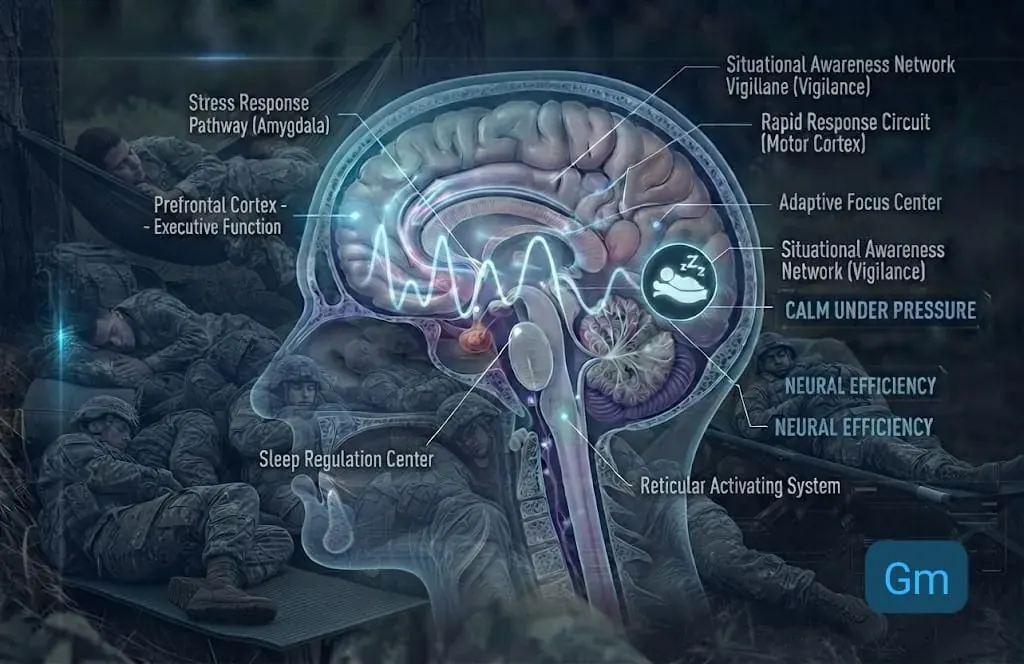
96 percent success rate. That's the number that made this military sleep technique go viral. But here's what most people don't know: this method wasn't designed for your cozy bedroom with blackout curtains and white noise machines. It was developed for fighter pilots who needed to sleep sitting upright, surrounded by engine roar and the stress of imminent combat missions. I've spent years studying sleep medicine, and I'll tell you straight most sleep advice is garbage. We're drowning in melatonin gummies, expensive mattresses, and apps that promise to "hack" your circadian rhythm. Meanwhile, the U.S. military figured out decades ago that falling asleep isn't about perfect conditions. It's about training your nervous system to shut down on command, even when everything around you is screaming danger.

8 min read
What Really Happens to a Man's Penis After a Certain Age Will Shock You Sexual & reproductive health

What Really Happens to a Man's Penis After a Certain Age Will Shock You

By age 70, approximately 70% of men will experience erectile dysfunction. Seventy percent! That's not a typo, and it's not some obscure statistic from a small study it's a reality backed by decades of research that most men aren't prepared for. But here's what really gets me: while we obsess over gray hair, wrinkles, and declining muscle mass, we rarely have honest conversations about what happens to one of the most vital organs in a man's body. And I don't just mean erectile function. I'm talking about actual physical changes shrinkage, curvature, color changes, loss of sensitivity that begin much earlier than most men realize. Let me be direct: ignoring these changes won't make them go away. Understanding what's happening and why can help you maintain sexual function, catch potential health problems early, and yes, keep your sex life satisfying for decades longer than you might expect.

7 min read