Medical emergency? Call your local emergency number
First aid guides

Menu

Breaking the Stigma Around Mental Health

Breaking the Stigma Around Mental Health Mental health 3 min read
Not yet medically reviewed. This page has not been checked by a qualified medical reviewer. Use it for general education only and confirm anything important with a healthcare professional. Written by GeoMed Editorial Team. Last updated 24 October 2026.

Mental health needs a great deal of attention. It’s the final taboo, and it needs to be faced and dealt with." – Adam Ant. Despite progress in medicine and public awareness, the stigma around mental health still casts a long shadow. The numbers are staggering: nearly 50% of people with mental health conditions never seek help, largely due to shame or fear of judgment. Think about that, half of those who are struggling remain silent, often suffering alone.

The Weight of Stigma

Stigma operates in two ways: externally, from society, and internally, within ourselves. External stigma comes in the form of stereotypes and discrimination. Comments like “You’re just being dramatic” or “Mental illness isn’t real” may seem small but can have devastating effects. They make people feel like their struggles are invalid or unworthy of support.

Internal stigma is even more insidious. It’s the voice inside that says, “I’m broken,” or “I should be able to handle this on my own.” This self-judgment often leads to feelings of shame, isolation, and a reluctance to seek help.

The consequences? People delay treatment. Conditions worsen. Lives are disrupted. All because of an outdated, harmful mindset.

Breaking the Stigma Around Mental Health

Success Stories: Real Lives Changed

The good news? Change is possible, and every conversation helps. I’ve worked with individuals who initially avoided treatment because they felt embarrassed or weak. One patient, a young professional battling anxiety, shared that opening up to their employer not only improved their work environment but also led to better mental health policies in their company.

Another story: a single mother struggling with depression found support through a local peer group. By connecting with others, she not only felt less alone but also found practical tools to cope. Her openness inspired her children to talk about their feelings more freely, breaking the cycle of silence in her family.

These aren’t just anecdotes, they’re proof that stigma can be dismantled, one step at a time.

Practical Steps to Break the Stigma

So, how can we, as a society and individuals, make a difference? Here are actionable steps:

1. Speak Up

Breaking the Stigma Around Mental Health

Normalize mental health conversations. Whether it’s with friends, family, or colleagues, bring mental health into everyday discussions. Use language that is respectful and supportive, avoiding terms like "crazy" or "weak."

2. Educate Yourself and Others

Learn about mental health conditions to dispel myths. Share reliable resources. For example, anxiety isn’t just “worrying too much,” and depression isn’t a “bad mood.” Understanding the facts fosters empathy.

3. Support, Don’t Judge

If someone shares their struggles, listen without trying to “fix” them. A simple “I’m here for you” can be powerful. Avoid minimizing their experience with phrases like “It’s not that bad” or “Others have it worse.”

4. Advocate for Policy Change

Push for mental health education in schools and workplaces. Advocate for better access to therapy and affordable healthcare. Small policy changes create big societal shifts.

5. Share Stories

If you feel comfortable, share your own experiences with mental health. Personal stories have a unique power to inspire others and break down barriers.

A Future Without Stigma

Imagine a world where discussing mental health feels as natural as talking about a cold or a broken bone. A world where seeking therapy is celebrated as a sign of strength, not weakness. That world is possible, but only if we take action now.

Breaking the stigma starts with awareness, but it doesn’t end there. It’s about transforming the way we think, speak, and act regarding mental health. It’s about creating a culture where support replaces judgment and understanding triumphs over fear.
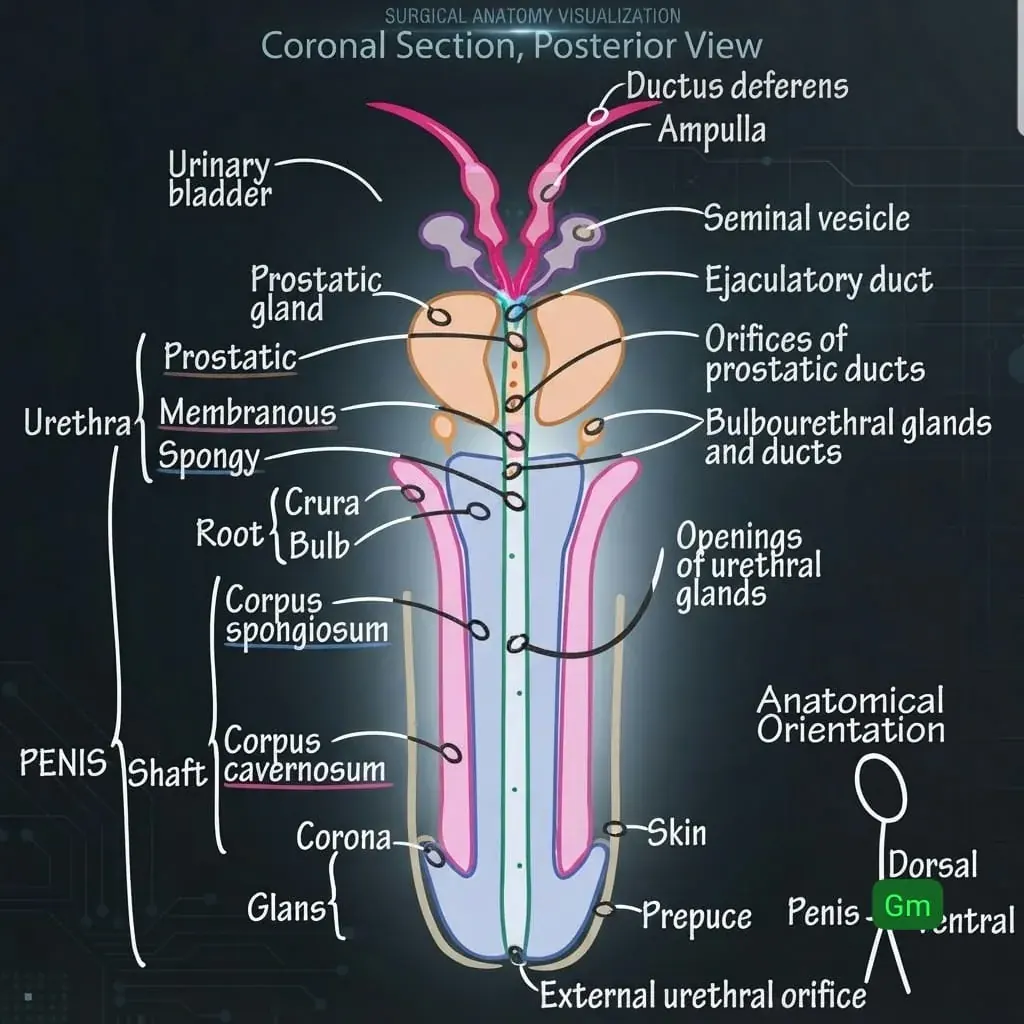

Image credits

  • Heading image: GeoMed

Comments (0)

Be the first to comment on this article!

Share your thoughts and start the discussion.

Leave a comment

Comments are public and reviewed by a moderator before they appear. Please don’t share personal medical details, as we can’t give individual medical advice in comments. Comments are not reviewed medical content.

By commenting you agree to our terms of use and comment policy. See our privacy policy for how we handle your data.

More articles

View all
Natural Penis Growth What Most Men Never Learn Sexual & reproductive health

Natural Penis Growth What Most Men Never Learn

More than 60 percent of men report concerns or questions about their penis size at some point in their lives. That number is huge. It tells me one thing very clearly. Curiosity about natural penis growth is normal. Most information available is vague or exaggerated. The truth is simple. Penis growth is guided by biology. Quietly. Gradually. Predictably. Understanding what drives growth lets you stop chasing myths and start supporting your body.

3 min read
How Long Should Sex Last in Bed? The Truth Nobody Talks About Sexual & reproductive health

How Long Should Sex Last in Bed? The Truth Nobody Talks About

“Most men last less than seven minutes during intercourse.” That number might shock you but here’s the real kicker: satisfaction doesn’t follow a stopwatch. One quick statistic doesn’t define pleasure. Connection, control, and technique do. I’ve worked with couples and individuals who stress over duration and it’s usually unnecessary. But the mistakes people make? Those are real and they cost intimacy.

3 min read
How Soldiers Fall Asleep Fast Even in Chaos and How You Can Too Healthy living & wellness

How Soldiers Fall Asleep Fast Even in Chaos and How You Can Too

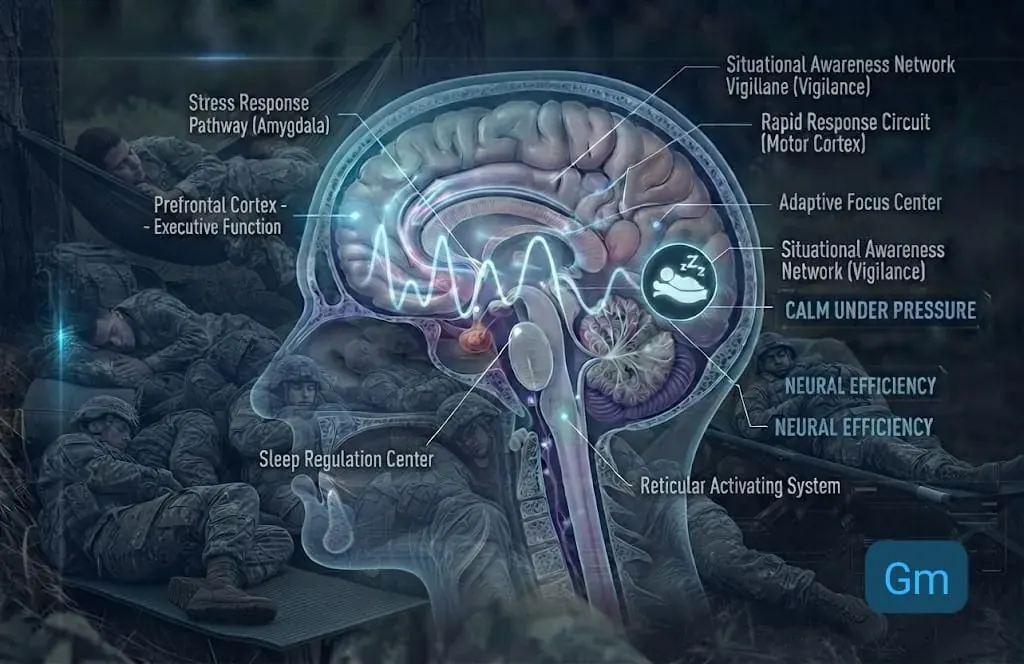
96 percent success rate. That's the number that made this military sleep technique go viral. But here's what most people don't know: this method wasn't designed for your cozy bedroom with blackout curtains and white noise machines. It was developed for fighter pilots who needed to sleep sitting upright, surrounded by engine roar and the stress of imminent combat missions. I've spent years studying sleep medicine, and I'll tell you straight most sleep advice is garbage. We're drowning in melatonin gummies, expensive mattresses, and apps that promise to "hack" your circadian rhythm. Meanwhile, the U.S. military figured out decades ago that falling asleep isn't about perfect conditions. It's about training your nervous system to shut down on command, even when everything around you is screaming danger.

8 min read
What Really Happens to a Man's Penis After a Certain Age Will Shock You Sexual & reproductive health

What Really Happens to a Man's Penis After a Certain Age Will Shock You

By age 70, approximately 70% of men will experience erectile dysfunction. Seventy percent! That's not a typo, and it's not some obscure statistic from a small study it's a reality backed by decades of research that most men aren't prepared for. But here's what really gets me: while we obsess over gray hair, wrinkles, and declining muscle mass, we rarely have honest conversations about what happens to one of the most vital organs in a man's body. And I don't just mean erectile function. I'm talking about actual physical changes shrinkage, curvature, color changes, loss of sensitivity that begin much earlier than most men realize. Let me be direct: ignoring these changes won't make them go away. Understanding what's happening and why can help you maintain sexual function, catch potential health problems early, and yes, keep your sex life satisfying for decades longer than you might expect.

7 min read