Medical emergency? Call your local emergency number
First aid guides

Menu

The Link Between Nutrition and Mental Health

The Link Between Nutrition and Mental Health Mental health 2 min read
Not yet medically reviewed. This page has not been checked by a qualified medical reviewer. Use it for general education only and confirm anything important with a healthcare professional. Written by GeoMed Editorial Team. Last updated 24 October 2026.

Let food be thy medicine and medicine be thy food.” This famous quote by Hippocrates highlights the profound connection between what we eat and how we feel, not just physically but mentally too. Emerging research reveals that our dietary choices can significantly influence brain health and mental well-being. In a world where stress and mental health issues are on the rise, understanding the role of nutrition in mental health is more crucial than ever. In this article, we’ll dive into how the food you eat affects your mood, brain function, and mental resilience. We’ll also share actionable tips for integrating brain-boosting foods into your diet.

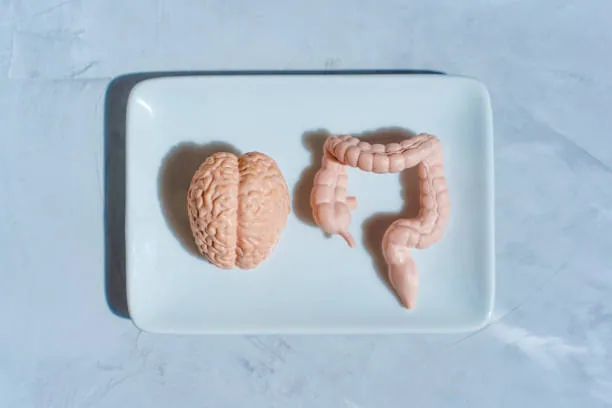
The Gut-Brain Connection

Your brain and gut are in constant communication through what’s called the gut-brain axis. This communication system links the emotional and cognitive centers of the brain with your intestinal functions. Did you know your gut produces about 90% of the body’s serotonin, the “feel-good” neurotransmitter?

Eating an unbalanced diet can disrupt this connection, leading to inflammation and an imbalance in gut bacteria, which are linked to mental health issues like anxiety and depression. On the other hand, a balanced diet rich in nutrients promotes a healthy gut microbiome, which positively impacts your mood and cognitive abilities.

Nutrients That Support Mental Health
The Link Between Nutrition and Mental Health

Certain nutrients play a pivotal role in maintaining optimal brain function and emotional balance:

1. Omega-3 Fatty Acids

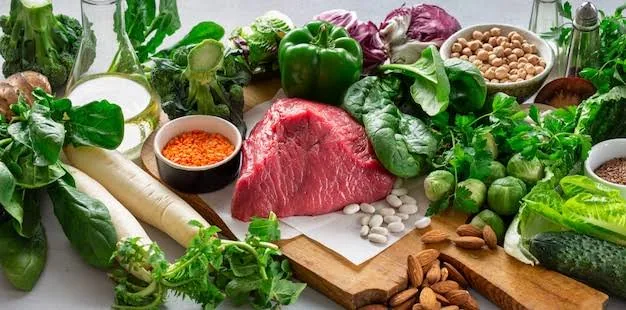
Found in fatty fish like salmon, walnuts, and flaxseeds, omega-3s are essential for brain health. They reduce inflammation and support the production of neurotransmitters like serotonin and dopamine, which regulate mood.

2.B Vitamins

Vitamins like B6, B9 (folate), and B12 are crucial for energy production and the synthesis of mood-regulating neurotransmitters. Leafy greens, eggs, and legumes are excellent sources.

  1. Magnesium

Magnesium helps regulate the stress response system. Foods like dark chocolate, almonds, and spinach can help boost your magnesium levels.

4. Probiotics

Fermented foods like yogurt, kefir, and kimchi contain probiotics, which support a healthy gut microbiome and may reduce symptoms of anxiety and depression.

5. Antioxidants

Found in colorful fruits and vegetables, antioxidants combat oxidative stress, which is linked to brain aging and mood disorders.

Foods to Incorporate for Better Mental Health

The Link Between Nutrition and Mental Health

Fruits and Vegetables: Rich in vitamins and antioxidants, these should form the cornerstone of your diet.

  • Whole Grains: Provide a steady release of energy and help stabilize blood sugar levels, which can prevent mood swings.
  • Lean Proteins: Foods like chicken, turkey, and beans are essential for producing mood-enhancing neurotransmitters.
  • Healthy Fats: Include avocados, olive oil, and nuts to support brain health.

Foods to Avoid

The Link Between Nutrition and Mental Health

Some foods can negatively impact mental health:

  • Processed Sugars: Cause energy crashes and inflammation.
  • Trans Fats: Linked to increased inflammation and cognitive decline.
  • Excessive Caffeine: Can exacerbate anxiety symptoms when consumed in large amounts.

Practical Tips for a Nutrient-Rich Diet

Plan Your Meals: Create a weekly meal plan to ensure a balanced intake of essential nutrients.

  • Snack Smart: Swap chips and candy for nuts, seeds, or fresh fruit.
  • Stay Hydrated: Dehydration can affect concentration and mood, so drink plenty of water.
  • Experiment with Recipes: Try incorporating fermented foods and omega-3-rich dishes into your routine.

Conclusion

The relationship between nutrition and mental health is undeniable. While a balanced diet isn’t a cure-all, it’s a powerful tool for improving mood, reducing stress, and enhancing overall well-being. By making mindful food choices, you’re not just nourishing your body, you’re investing in your mental health.

Image credits

  • Heading image: GeoMed

Comments (0)

Be the first to comment on this article!

Share your thoughts and start the discussion.

Leave a comment

Comments are public and reviewed by a moderator before they appear. Please don’t share personal medical details, as we can’t give individual medical advice in comments. Comments are not reviewed medical content.

By commenting you agree to our terms of use and comment policy. See our privacy policy for how we handle your data.

More articles

View all
Natural Penis Growth What Most Men Never Learn Sexual & reproductive health

Natural Penis Growth What Most Men Never Learn

More than 60 percent of men report concerns or questions about their penis size at some point in their lives. That number is huge. It tells me one thing very clearly. Curiosity about natural penis growth is normal. Most information available is vague or exaggerated. The truth is simple. Penis growth is guided by biology. Quietly. Gradually. Predictably. Understanding what drives growth lets you stop chasing myths and start supporting your body.

3 min read
How Long Should Sex Last in Bed? The Truth Nobody Talks About Sexual & reproductive health

How Long Should Sex Last in Bed? The Truth Nobody Talks About

“Most men last less than seven minutes during intercourse.” That number might shock you but here’s the real kicker: satisfaction doesn’t follow a stopwatch. One quick statistic doesn’t define pleasure. Connection, control, and technique do. I’ve worked with couples and individuals who stress over duration and it’s usually unnecessary. But the mistakes people make? Those are real and they cost intimacy.

3 min read
How Soldiers Fall Asleep Fast Even in Chaos and How You Can Too Healthy living & wellness

How Soldiers Fall Asleep Fast Even in Chaos and How You Can Too

96 percent success rate. That's the number that made this military sleep technique go viral. But here's what most people don't know: this method wasn't designed for your cozy bedroom with blackout curtains and white noise machines. It was developed for fighter pilots who needed to sleep sitting upright, surrounded by engine roar and the stress of imminent combat missions. I've spent years studying sleep medicine, and I'll tell you straight most sleep advice is garbage. We're drowning in melatonin gummies, expensive mattresses, and apps that promise to "hack" your circadian rhythm. Meanwhile, the U.S. military figured out decades ago that falling asleep isn't about perfect conditions. It's about training your nervous system to shut down on command, even when everything around you is screaming danger.

8 min read
What Really Happens to a Man's Penis After a Certain Age Will Shock You Sexual & reproductive health

What Really Happens to a Man's Penis After a Certain Age Will Shock You

By age 70, approximately 70% of men will experience erectile dysfunction. Seventy percent! That's not a typo, and it's not some obscure statistic from a small study it's a reality backed by decades of research that most men aren't prepared for. But here's what really gets me: while we obsess over gray hair, wrinkles, and declining muscle mass, we rarely have honest conversations about what happens to one of the most vital organs in a man's body. And I don't just mean erectile function. I'm talking about actual physical changes shrinkage, curvature, color changes, loss of sensitivity that begin much earlier than most men realize. Let me be direct: ignoring these changes won't make them go away. Understanding what's happening and why can help you maintain sexual function, catch potential health problems early, and yes, keep your sex life satisfying for decades longer than you might expect.

7 min read