

The Good: How Social Media Can Benefit Mental Health
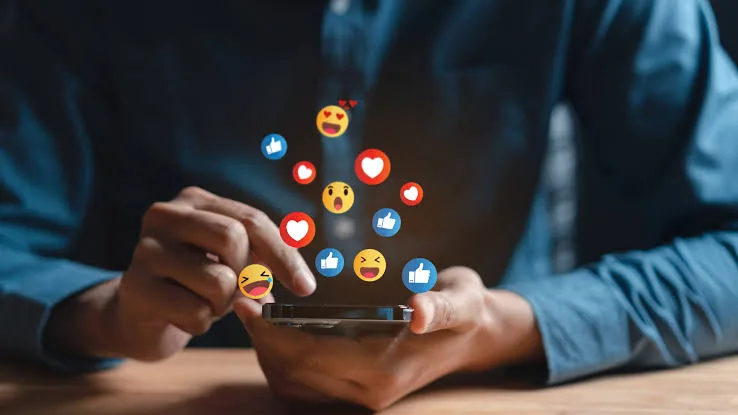
Social media isn’t all bad. When used thoughtfully, it can be a powerful tool for connection and growth.
- Fostering Connection
Social media lets us keep in touch with friends and family, no matter where they are. It bridges distances and helps people feel less isolated, especially during major life transitions or global events.
- Building Support Networks
Whether you’re struggling with mental health challenges or dealing with a rare condition, online communities can provide solidarity, encouragement, and shared experiences.
- Spreading Awareness
Social media is a megaphone for mental health advocacy. Campaigns like #MentalHealthAwareness or #ItGetsBetter have reached millions, breaking stigmas and fostering open conversations.
- Educational Resources
You can find practical mental health tips, access expert advice, and discover wellness practices like mindfulness, all with a few taps.
The Bad: Social Media’s Negative Impact on Mental Health
But the shiny side of social media often hides darker consequences. Here’s how it can harm your mental well-being:
- Unrealistic Comparisons
Scrolling through perfectly curated feeds can make you question your own life. Those flawless vacation photos or career highlights can lead to feelings of inadequacy and self-doubt.
Actionable Tip: Remember, social media is a highlight reel. Unfollow accounts that make you feel “less than” and focus on following people who inspire authenticity and positivity.
- Information Overload
Endless news updates, notifications, and posts can overwhelm your brain. This constant stimulation can increase stress and reduce your ability to focus.
Actionable Tip: Set boundaries. Turn off unnecessary notifications and allocate specific times to check your feed.
- Addictive Behaviors
Social media platforms are designed to keep you scrolling. The dopamine hit from likes and comments can create an unhealthy reliance, leading to compulsive checking and less real-world engagement.
Actionable Tip: Use app timers or tools to limit your daily usage and redirect that time into hobbies, exercise, or face-to-face connections.
- Cyberbullying and Negative Interactions
From subtle snarky comments to outright harassment, negative interactions online can severely harm self-esteem and mental health.
Actionable Tip: Report and block negative users. Protect your mental space by curating a positive, safe online environment.
- Disrupted Sleep
Late-night scrolling is a common culprit for poor sleep. The blue light from screens interferes with your body’s natural sleep cycle, leaving you tired and irritable.
Actionable Tip: Create a “tech-free” bedtime routine. Avoid screens at least an hour before bed and charge your phone outside the bedroom.
How to Use Social Media Mindfully
Taking control of your social media habits can make all the difference. Here’s a step-by-step guide to healthier usage:
- Set a Time Limit
Decide how much time you’ll spend on social media each day. Use features like app timers or built-in phone tools to help you stick to it.
- Audit Your Feed
Go through your following list and unfollow, mute, or block accounts that don’t serve your well-being. Surround yourself with content that uplifts, educates, or entertains in a healthy way.
- Engage With Intention
Stop mindlessly scrolling. Instead, focus on meaningful interactions, leave thoughtful comments, message friends, and participate in positive conversations.
- Balance Online and Offline Life
Make time for offline activities that recharge you, whether it’s reading, cooking, or spending time outdoors.
- Regular Detoxes
Take breaks from social media. Whether it’s a few hours each day or a weekend offline, stepping away can help you reset and reconnect with the real world.
Educating Others About Social Media and Mental Health
If you’re passionate about spreading awareness, here’s how to educate your community:
- Host Discussions: Organize workshops or webinars to discuss the impact of social media on mental health.
- Share Stories: Use your platform to share personal experiences and actionable advice.
- Promote Resources: Highlight mental health organizations, hotlines, and self-care tools.
- Encourage Dialogue: Foster open conversations about balancing social media use and mental health.
Final Thoughts
Social media is neither your friend nor your enemy, it’s a tool. How you use it determines whether it supports or sabotages your mental health. By making small, mindful changes, you can take control of your digital habits and create a healthier relationship with the online world.



Comments (0)
Be the first to comment on this article!
Share your thoughts and start the discussion.