Medical emergency? Call your local emergency number
First aid guides

Menu

The Role of Balanced Nutrition in Preventing Chronic Diseases

The Role of Balanced Nutrition in Preventing Chronic Diseases Nutrition 4 min read
Not yet medically reviewed. This page has not been checked by a qualified medical reviewer. Use it for general education only and confirm anything important with a healthcare professional. Written by GeoMed Editorial Team. Last updated 24 October 2026.

Nutrition is the cornerstone of good health.” This isn’t just a catchy phrase, it’s a fact backed by science. According to the World Health Organization, poor diet is a leading risk factor for chronic diseases such as heart disease, diabetes, and cancer, contributing to millions of preventable deaths each year. The good news? Small, consistent changes in your diet can significantly reduce your risk of these conditions.

Balanced nutrition is not about restrictive eating or following the latest trends. It’s about fueling your body with the right mix of nutrients to thrive. In this article, we’ll unpack how a balanced diet can shield you from chronic illnesses and offer practical tips to make healthy eating a part of your everyday life. Let’s dive in.

1. What Is Balanced Nutrition?

The Role of Balanced Nutrition in Preventing Chronic Diseases

Balanced nutrition means giving your body the nutrients it needs to function optimally. This includes:

  • Macronutrients: Carbohydrates, proteins, and fats that provide energy.
  • Micronutrients: Vitamins and minerals that support vital processes.
  • Hydration: Staying hydrated to ensure all systems work efficiently.

It’s not about perfection or cutting out entire food groups. Instead, it’s about creating a sustainable and diverse eating pattern.

2. The Connection Between Nutrition and Chronic Diseases

Heart Disease

Heart disease remains the leading cause of death worldwide. A diet high in trans fats, saturated fats, and sodium increases the risk, while balanced nutrition reduces it.

Focus on: Fruits, vegetables, whole grains, nuts, seeds, and healthy fats like olive oil.

Avoid: Processed foods, sugary drinks, and high-sodium snacks.

Actionable Tip: Aim for at least 5 servings of fruits and vegetables daily. Add a handful of nuts or seeds to your meals for heart-healthy fats.

Type 2 Diabetes

The Role of Balanced Nutrition in Preventing Chronic Diseases

Balanced nutrition plays a crucial role in preventing and managing diabetes. Foods high in fiber and low in refined sugar help regulate blood sugar levels.

Focus on: Whole grains, legumes, lean proteins, and non-starchy vegetables.

Avoid: Sugary beverages, white bread, and processed snacks.

Actionable Tip: Replace white rice with brown rice or quinoa and opt for water or herbal teas over sugary drinks.

Obesity

Obesity is a major risk factor for numerous chronic diseases, including hypertension and certain cancers. A balanced diet helps maintain a healthy weight by promoting satiety and reducing overeating.

Focus on: Fiber-rich foods like vegetables, fruits, and legumes.

Avoid: Empty-calorie foods like chips, cookies, and sugary drinks.

Actionable Tip: Use smaller plates to help control portion sizes and eat slowly to allow your brain to register fullness.

Cancer

Although no single food can prevent cancer, a balanced diet rich in antioxidants and phytochemicals can lower the risk.

Focus on: Colorful fruits and vegetables, whole grains, and lean proteins.

Avoid: Processed meats and excessive alcohol.

Actionable Tip: Add a serving of berries or spinach to your meals, they’re loaded with antioxidants

3. Steps to Achieve Balanced Nutrition

Step 1: Prioritize Whole Foods

Minimize processed foods and choose nutrient-dense options instead. Think fresh vegetables, whole grains, lean proteins, and healthy fats.

Swap white bread for whole-grain bread.

Replace sugary snacks with fruits, nuts, or yogurt.

Step 2: Manage Portions

Even healthy foods can lead to weight gain if eaten in excess. Use visual cues to estimate portions:

A fist for carbs.

A palm for proteins.

Two handfuls for vegetables.

Step 3: Plan Ahead

Meal planning saves time and helps you stick to a balanced diet. Prepare ingredients or cook meals in advance to avoid unhealthy choices during busy days.

Step 4: Stay Hydrated

The Role of Balanced Nutrition in Preventing Chronic Diseases

Dehydration can mimic hunger, leading to unnecessary snacking. Drink at least 8 glasses of water daily. Add lemon or cucumber for a refreshing twist.

Step 5: Limit Added Sugars

Excess sugar contributes to obesity, diabetes, and heart disease. Check food labels and opt for natural sweeteners like honey or fruits.

4. The Bigger Picture

The Role of Balanced Nutrition in Preventing Chronic Diseases

Balanced nutrition isn’t just about preventing chronic diseases, it’s about enhancing your quality of life. A well-nourished body feels more energetic, heals faster, and is more resilient to stress and illness.

Remember, it’s not about being perfect but making consistent choices that prioritize health. Start small, add an extra serving of vegetables to your dinner or swap soda for water. These small changes add up over time.

Final Thoughts

Chronic diseases don’t develop overnight, and neither does a healthy lifestyle. Balanced nutrition is your best defense. By making informed, intentional choices, you can protect your body and enjoy a longer, healthier life.
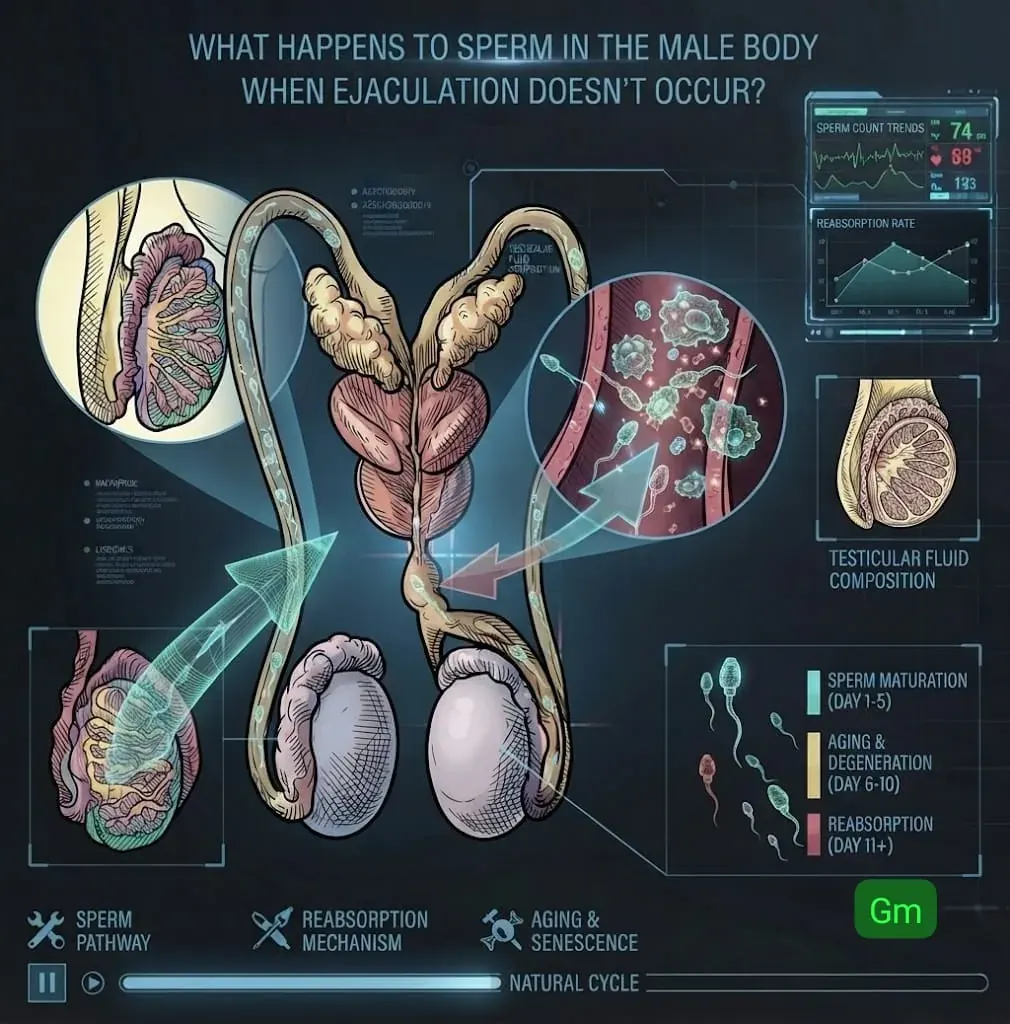
Image credits

  • Heading image: GeoMed

Comments (0)

Be the first to comment on this article!

Share your thoughts and start the discussion.

Leave a comment

Comments are public and reviewed by a moderator before they appear. Please don’t share personal medical details, as we can’t give individual medical advice in comments. Comments are not reviewed medical content.

By commenting you agree to our terms of use and comment policy. See our privacy policy for how we handle your data.

More articles

View all
What Happens to Sperm in the Male Body When Ejaculation Doesn’t Occur? Sexual & reproductive health

What Happens to Sperm in the Male Body When Ejaculation Doesn’t Occur?

Every day, the male body produces millions of sperm. Millions! But what happens when you don’t release them through ejaculation? Many men assume sperm just “sits there” or loses potency. The truth is far more fascinating. Your body is smarter than you think. It manages sperm, recycles it, and keeps your reproductive system running smoothly even during long periods of abstinence. By the end of this article, you’ll understand exactly how your body handles unreleased sperm, what it means for your health, and why this natural process is completely safe.

2 min read
Natural Penis Growth What Most Men Never Learn Sexual & reproductive health

Natural Penis Growth What Most Men Never Learn

More than 60 percent of men report concerns or questions about their penis size at some point in their lives. That number is huge. It tells me one thing very clearly. Curiosity about natural penis growth is normal. Most information available is vague or exaggerated. The truth is simple. Penis growth is guided by biology. Quietly. Gradually. Predictably. Understanding what drives growth lets you stop chasing myths and start supporting your body.

3 min read
How Long Should Sex Last in Bed? The Truth Nobody Talks About Sexual & reproductive health

How Long Should Sex Last in Bed? The Truth Nobody Talks About

“Most men last less than seven minutes during intercourse.” That number might shock you but here’s the real kicker: satisfaction doesn’t follow a stopwatch. One quick statistic doesn’t define pleasure. Connection, control, and technique do. I’ve worked with couples and individuals who stress over duration and it’s usually unnecessary. But the mistakes people make? Those are real and they cost intimacy.

3 min read
How Soldiers Fall Asleep Fast Even in Chaos and How You Can Too Healthy living & wellness

How Soldiers Fall Asleep Fast Even in Chaos and How You Can Too

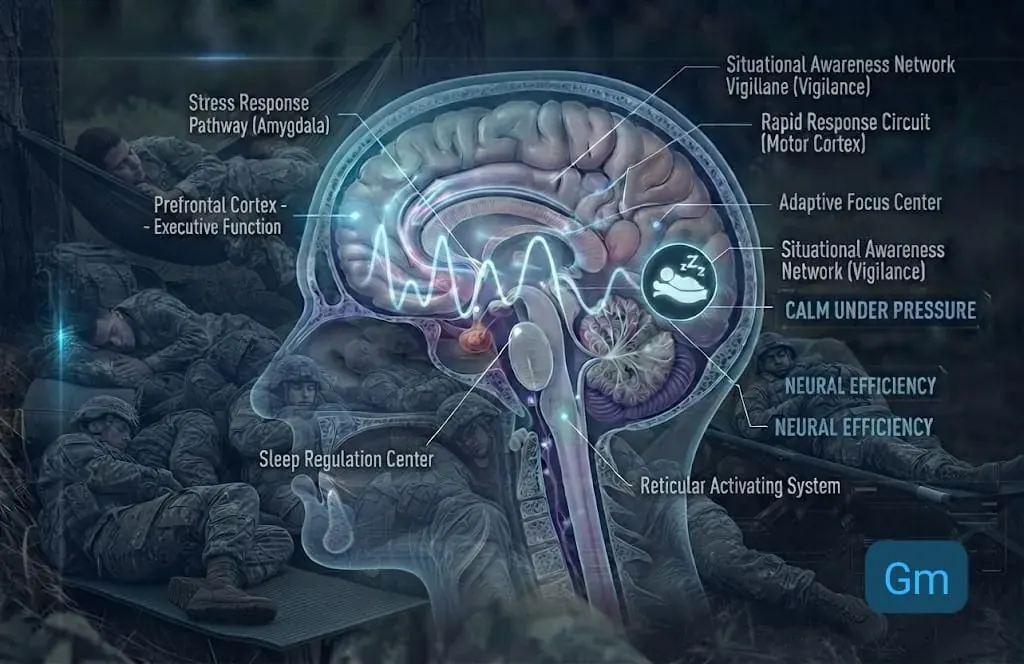
96 percent success rate. That's the number that made this military sleep technique go viral. But here's what most people don't know: this method wasn't designed for your cozy bedroom with blackout curtains and white noise machines. It was developed for fighter pilots who needed to sleep sitting upright, surrounded by engine roar and the stress of imminent combat missions. I've spent years studying sleep medicine, and I'll tell you straight most sleep advice is garbage. We're drowning in melatonin gummies, expensive mattresses, and apps that promise to "hack" your circadian rhythm. Meanwhile, the U.S. military figured out decades ago that falling asleep isn't about perfect conditions. It's about training your nervous system to shut down on command, even when everything around you is screaming danger.

8 min read