Medical emergency? Call your local emergency number
First aid guides

Menu

Meal Planning for Busy People: Save Time, Eat Healthy

Meal Planning for Busy People: Save Time, Eat Healthy Nutrition 4 min read
Not yet medically reviewed. This page has not been checked by a qualified medical reviewer. Use it for general education only and confirm anything important with a healthcare professional. Written by GeoMed Editorial Team. Last updated 24 October 2026.

“Failing to plan is planning to fail.” This quote rings especially true when it comes to eating well while juggling a busy life. A study by the International Journal of Behavioral Nutrition shows that people who plan their meals are more likely to eat healthier and save time during the week. But let’s be honest, meal planning can feel overwhelming at first.

1. Start with a Simple Weekly Plan
Meal Planning for Busy People: Save Time, Eat Healthy

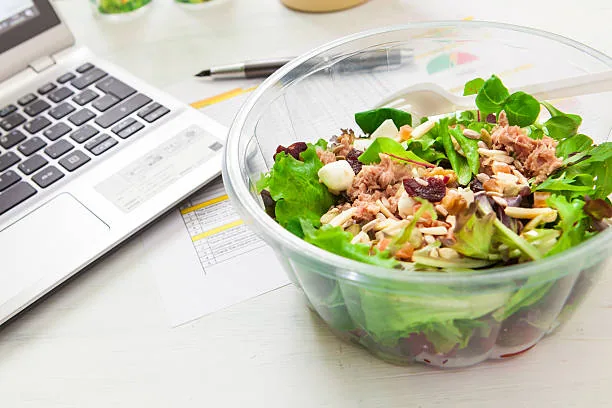
The first step is the simplest: create a weekly meal plan. This doesn’t mean planning every single bite. Focus on the essentials:

  • Decide which meals you’ll need for the week (e.g., breakfasts, lunches, dinners, snacks).
  • Look at your schedule. Do you have busy evenings? Plan for quick meals or leftovers.
  • Write it all down. A piece of paper or a meal-planning app works just fine.

Start small by planning 3–4 meals. Over time, you’ll find your rhythm.

2. Make a Grocery List (And Stick to It!)

A grocery list is your best tool for efficient shopping and preventing food waste. Write down everything you need based on your plan and organize it by store sections.

Example: Group vegetables, proteins, and pantry items together.

Stick to the list! Avoid impulse buys that add clutter to your fridge and drain your wallet.

Shopping becomes faster, and you’ll avoid the dreaded midweek grocery run.

3. Cook in Batches to Save Time

Batch cooking is a game-changer. Dedicate one or two days a week to cooking in bulk. Ideas include:

  • A large pot of soup or stew that can be portioned out for lunches.

Roasting a sheet pan of mixed vegetables and proteins for mix-and-match meals.

  • Cooking grains like rice or quinoa that can be used throughout the week.

Store your meals in airtight containers to keep them fresh and ready to grab.

4. Prep Ingredients Ahead of Time

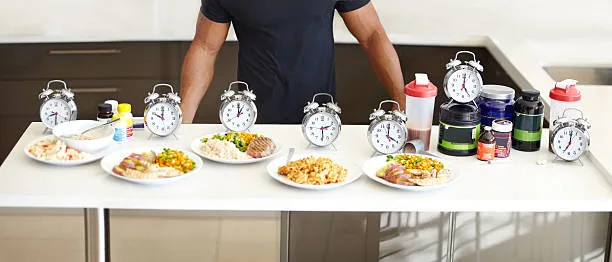
Meal prep isn’t just for gym enthusiasts. Prepping key ingredients in advance can drastically reduce cooking time. Chop vegetables, marinate proteins, or cook a batch of pasta or rice ahead of time.

Pro tip: Store prepped ingredients in clear containers so you can see what you have at a glance.

5. Use Quick and Healthy Recipes

Not all healthy meals take hours to prepare. Focus on recipes that are nutritious, delicious, and fast:

  • Breakfast: Overnight oats or a smoothie packed with fruits and spinach.
  • Lunch: A hearty salad with pre-cooked grains, greens, and a protein like grilled chicken or chickpeas.
  • Dinner: One-pan meals like baked salmon with asparagus and sweet potatoes.

Look for recipes that require 30 minutes or less to make your evenings stress-free.

6. Invest in Kitchen Tools That Save Time
Meal Planning for Busy People: Save Time, Eat Healthy

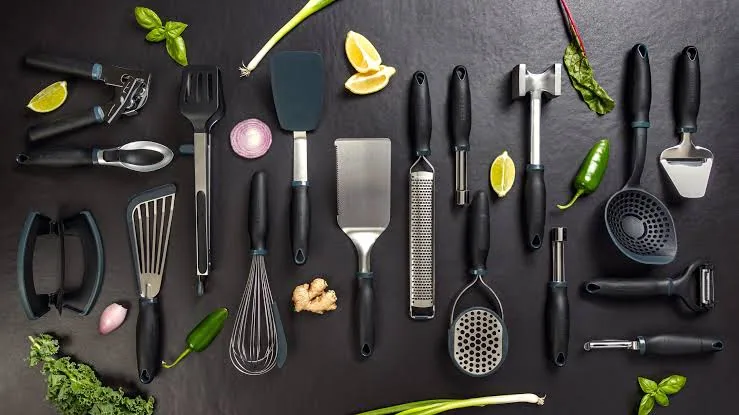
The right tools can make a world of difference. Consider these:

  • Slow cooker or Instant Pot: Perfect for hands-off cooking.
  • Good knives and a sturdy cutting board: Speed up prep time.
  • Meal prep containers: Keep your fridge organized and meals fresh.

These small investments pay off with faster prep and easier cleanup.

7. Embrace Freezer-Friendly Meals

Meal Planning for Busy People: Save Time, Eat Healthy

Your freezer is your secret weapon. Double recipes and freeze half for later. Examples:

Soups, stews, and casseroles.

Pre-cooked proteins like shredded chicken or ground turkey.

Breakfast items like frozen smoothie packs or breakfast burritos.

When life gets hectic, these ready-to-heat meals are a lifesaver.

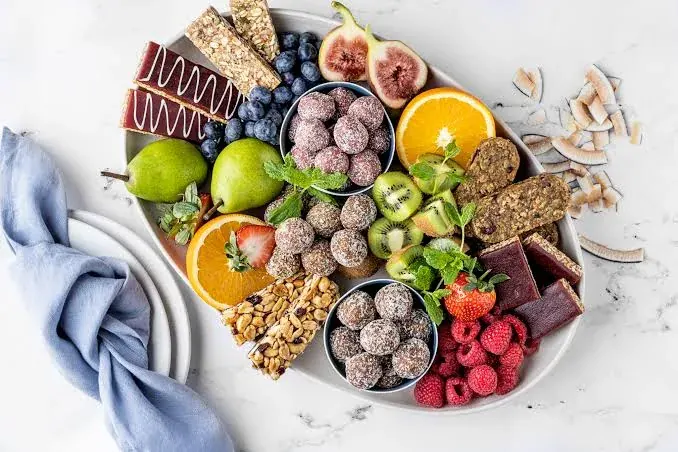
8. Plan for Snacks
Meal Planning for Busy People: Save Time, Eat Healthy

Snacks are often an afterthought, but they’re key to staying energized. Prep healthy options like:

  • Pre-sliced fruits and veggies with hummus or nut butter.
  • Hard-boiled eggs or Greek yogurt cups.
  • Nuts or trail mix in pre-portioned bags.

Having snacks on hand keeps you from reaching for unhealthy options when hunger strikes.

9. Build a “Go-To” Recipe List

Over time, create a collection of easy recipes that work for your family or lifestyle. These could include:

  • A favorite pasta dish.
  • A stir-fry you can whip up in 15 minutes.
  • A versatile soup or salad recipe.

Rotate these meals to keep things simple and avoid decision fatigue.

10. Stay Flexible

Even with the best plans, life happens. Meetings run late, or plans change. Always keep a few backup options, like canned soup, frozen veggies, or a simple pasta dish with jarred sauce. Flexibility is key to making meal planning sustainable.

Final Thoughts

Meal planning isn’t about perfection; it’s about making life easier. By dedicating a little time upfront, you’ll gain back hours during the week, reduce stress, and enjoy healthier meals. Start small, maybe just plan dinners for the week, and see how much of a difference it makes.
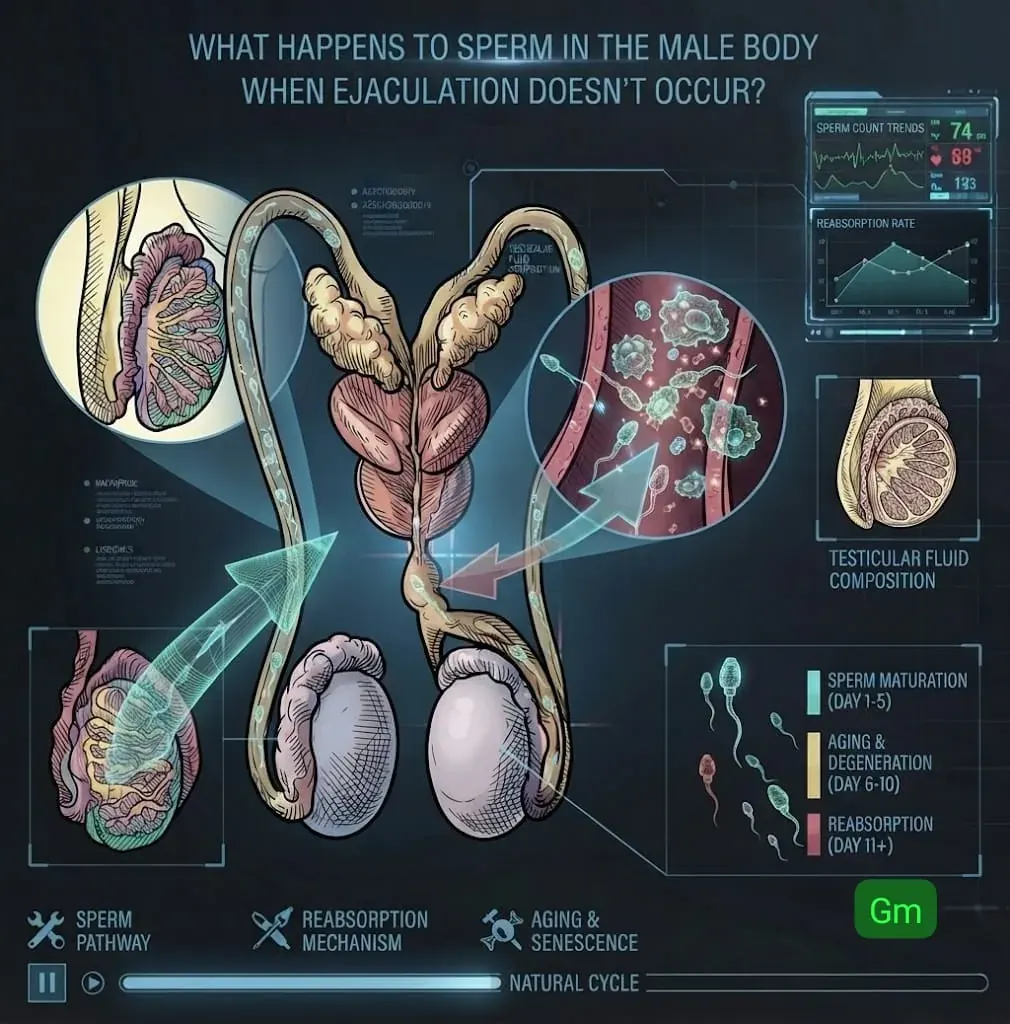
Image credits

  • Heading image: GeoMed

Comments (0)

Be the first to comment on this article!

Share your thoughts and start the discussion.

Leave a comment

Comments are public and reviewed by a moderator before they appear. Please don’t share personal medical details, as we can’t give individual medical advice in comments. Comments are not reviewed medical content.

By commenting you agree to our terms of use and comment policy. See our privacy policy for how we handle your data.

More articles

View all
What Happens to Sperm in the Male Body When Ejaculation Doesn’t Occur? Sexual & reproductive health

What Happens to Sperm in the Male Body When Ejaculation Doesn’t Occur?

Every day, the male body produces millions of sperm. Millions! But what happens when you don’t release them through ejaculation? Many men assume sperm just “sits there” or loses potency. The truth is far more fascinating. Your body is smarter than you think. It manages sperm, recycles it, and keeps your reproductive system running smoothly even during long periods of abstinence. By the end of this article, you’ll understand exactly how your body handles unreleased sperm, what it means for your health, and why this natural process is completely safe.

2 min read
Natural Penis Growth What Most Men Never Learn Sexual & reproductive health

Natural Penis Growth What Most Men Never Learn

More than 60 percent of men report concerns or questions about their penis size at some point in their lives. That number is huge. It tells me one thing very clearly. Curiosity about natural penis growth is normal. Most information available is vague or exaggerated. The truth is simple. Penis growth is guided by biology. Quietly. Gradually. Predictably. Understanding what drives growth lets you stop chasing myths and start supporting your body.

3 min read
How Long Should Sex Last in Bed? The Truth Nobody Talks About Sexual & reproductive health

How Long Should Sex Last in Bed? The Truth Nobody Talks About

“Most men last less than seven minutes during intercourse.” That number might shock you but here’s the real kicker: satisfaction doesn’t follow a stopwatch. One quick statistic doesn’t define pleasure. Connection, control, and technique do. I’ve worked with couples and individuals who stress over duration and it’s usually unnecessary. But the mistakes people make? Those are real and they cost intimacy.

3 min read
How Soldiers Fall Asleep Fast Even in Chaos and How You Can Too Healthy living & wellness

How Soldiers Fall Asleep Fast Even in Chaos and How You Can Too

96 percent success rate. That's the number that made this military sleep technique go viral. But here's what most people don't know: this method wasn't designed for your cozy bedroom with blackout curtains and white noise machines. It was developed for fighter pilots who needed to sleep sitting upright, surrounded by engine roar and the stress of imminent combat missions. I've spent years studying sleep medicine, and I'll tell you straight most sleep advice is garbage. We're drowning in melatonin gummies, expensive mattresses, and apps that promise to "hack" your circadian rhythm. Meanwhile, the U.S. military figured out decades ago that falling asleep isn't about perfect conditions. It's about training your nervous system to shut down on command, even when everything around you is screaming danger.

8 min read