

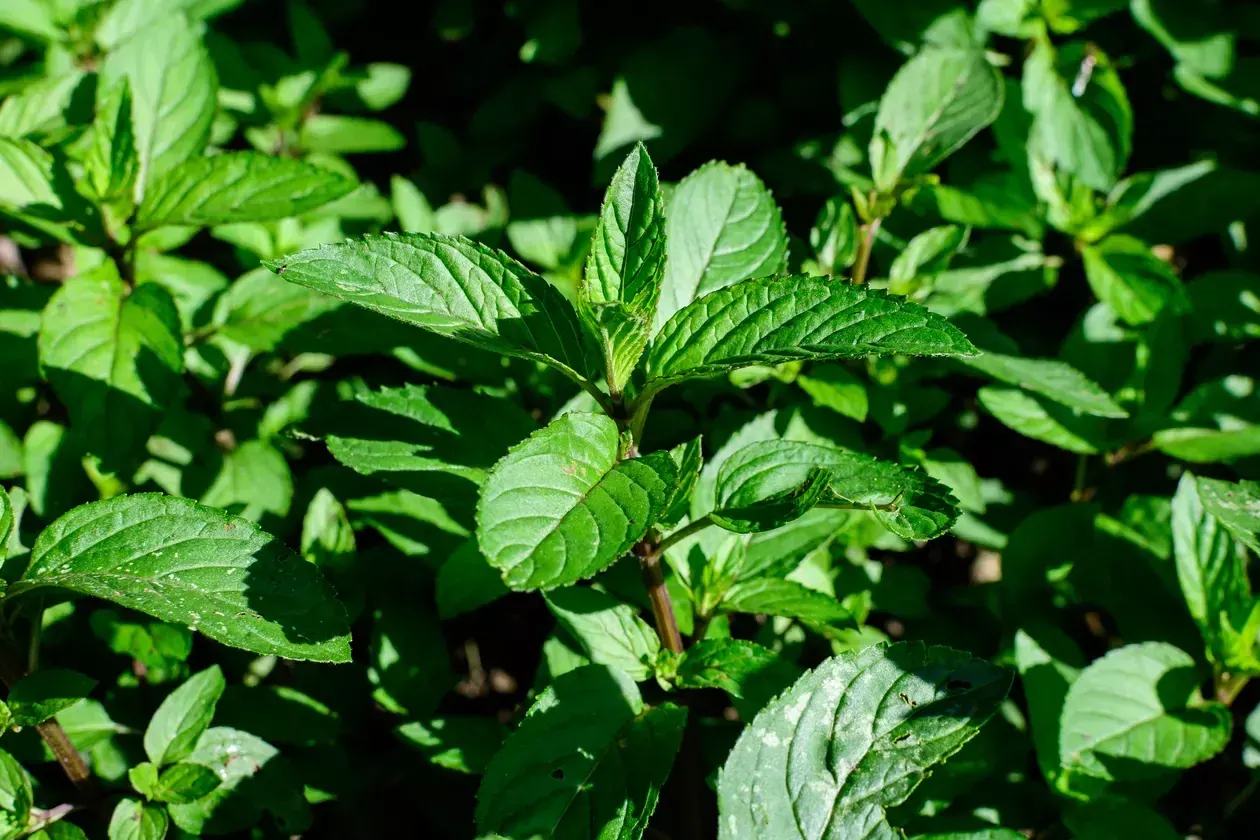
1. Peppermint for Digestive Relief
Ailment: Indigestion, bloating, and stomach cramps Herbal Remedy: Peppermint
Peppermint isn’t just refreshing, it’s also a digestive powerhouse. This herb contains menthol, which helps relax the muscles in your gastrointestinal tract, easing discomfort from bloating and indigestion. It’s one of the easiest remedies to incorporate into your routine.
How to use:
- Brew a cup of peppermint tea after meals to reduce bloating.
- For targeted relief, dilute peppermint oil with a carrier oil and apply it to your stomach area.
2. Ginger for Nausea and Inflammation
Ailment: Nausea, motion sickness, and inflammation Herbal Remedy: Ginger

Ginger is a time-tested remedy for nausea and digestive upset. Its active compound, gingerol, has anti-inflammatory properties that soothe the stomach and reduce swelling. Whether it’s morning sickness or motion sickness, ginger can help calm your symptoms.
How to use:
- Steep fresh ginger slices in hot water for a soothing tea.
- For quicker relief, try ginger chews or capsules.
- Add fresh ginger to your meals for ongoing benefits.
3. Chamomile for Stress and Sleep
Ailment: Insomnia, anxiety, and stress Herbal Remedy: Chamomile
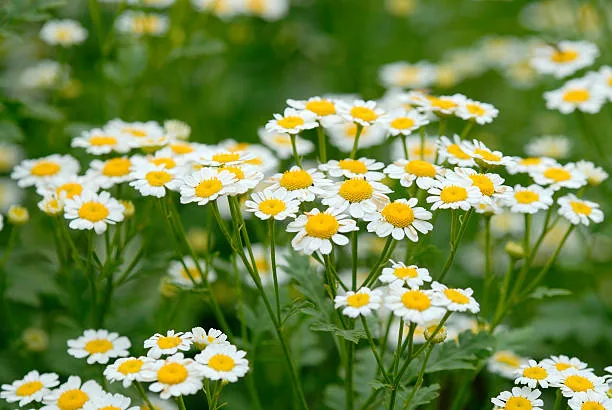
Chamomile has earned its reputation as a calming herb. Known for its mild sedative properties, it can help you wind down after a busy day or relieve anxious thoughts. A warm cup of chamomile tea is often enough to lull you into a peaceful sleep.
How to use:
- Drink a cup of chamomile tea 30 minutes before bed.
- For daytime anxiety, sip chamomile tea throughout the day to promote calm.
4. Echinacea for Immune Support
Ailment: Cold, flu, and immune support Herbal Remedy: Echinacea

When you feel the first signs of a cold coming on, echinacea can be your best friend. This herb is known for its ability to stimulate the immune system, helping your body fend off infections more effectively. It’s often used to shorten the duration of colds or lessen their severity.
How to use:
- Take echinacea supplements or tea at the first sign of illness.
- For daily immune support, consider adding echinacea to your routine during flu season.
5. Lavender for Headaches and Relaxation
Ailment: Stress, anxiety, and headaches Herbal Remedy: Lavender

Lavender is perhaps the most beloved herb when it comes to relaxation. Known for its calming aroma, it can help reduce anxiety and relieve stress. But it doesn’t stop there, lavender oil can also ease headache tension.
How to use:
- Add a few drops of lavender oil to a diffuser to promote relaxation.
- Apply diluted lavender oil to your temples or the back of your neck for headache relief.
6. Turmeric for Joint Pain and Inflammation
Ailment: Joint pain, arthritis, and muscle inflammation Herbal Remedy: Turmeric

Turmeric is a powerful anti-inflammatory herb, thanks to curcumin, its active ingredient. It’s been used for centuries to ease arthritis, joint pain, and even muscle soreness. Whether you’re dealing with chronic pain or occasional flare-ups, turmeric can help reduce inflammation and provide relief.
How to use:
- Add turmeric to your diet by sprinkling it on meals or making turmeric tea.
- For concentrated effects, try turmeric supplements, but always pair with black pepper for better absorption.
7. Lemon Balm for Digestive Comfort and Stress Relief
Ailment: Stress, anxiety, and indigestion Herbal Remedy: Lemon Balm
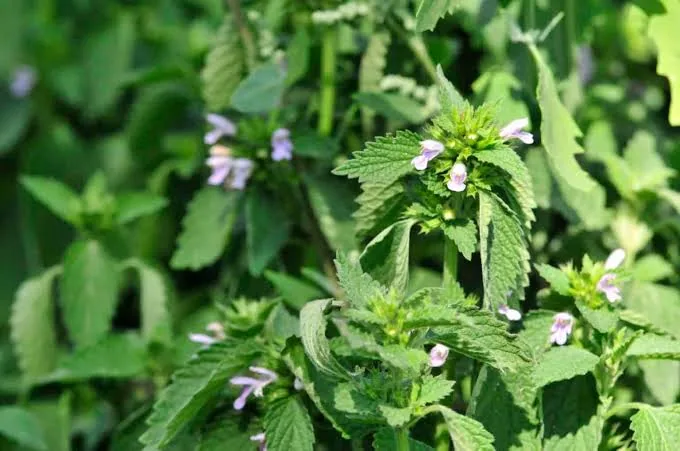
Lemon balm is an excellent choice for those who suffer from nervous tension or digestive discomfort. This herb has mild sedative properties that help calm the mind and ease the digestive system, making it a perfect remedy for stress-induced stomach issues.
How to use:
- Brew lemon balm tea to soothe both your mind and digestive system.
- Apply lemon balm essential oil to your pulse points or in a diffuser for stress relief.
Conclusion: Nature’s Pharmacy at Your Fingertips
Herbal remedies provide a natural, effective way to address many common ailments. They’ve stood the test of time for a reason: they work. By incorporating these herbs into your daily routine, you can experience relief from common health concerns without relying on synthetic medications.




Comments (0)
Be the first to comment on this article!
Share your thoughts and start the discussion.