


Why Screen Time Needs Our Attention
Screens aren’t all bad. Far from it. Educational apps can teach toddlers colors and numbers. Video chats keep kids connected to grandparents across the world. And sometimes, yes, a cartoon buys a parent 20 guilt-free minutes to take a breath. But the problem starts when screens become the default instead of the exception. Excessive screen time can interfere with a child’s physical, emotional, and social development. It’s linked to sleep problems, reduced attention span, delayed language development, and even increased risk of obesity. Over time, too much passive screen use can blunt creativity, dull curiosity, and replace real human interaction. The brain of a child isn’t wired for constant digital stimulation. It’s wired for exploration, movement, trial-and-error, and face-to-face connection. Screens can support that but only when used mindfully.
Screen Time Parental Control free app download click me
How Much Is Too Much?
The American Academy of Pediatrics offers useful guidelines:
-
For children under 18 months, avoid screen time entirely, except for video chatting.
-
For toddlers 18 to 24 months, introduce high-quality content slowly and always watch together.
-
For preschoolers aged 2 to 5, limit screen time to no more than 1 hour per day, and make it interactive and shared.
-
For children 6 years and up, focus less on counting minutes and more on balance. Ensure screen time doesn’t replace sleep, exercise, schoolwork, or quality family time.
These aren’t rigid rules. They’re boundaries. And when applied with consistency and warmth, they work.
Not All Screen Time Is Equal
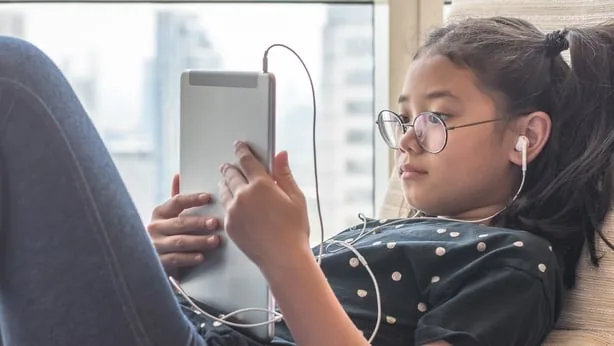
Let’s make one thing clear: it's not just about how much screen time your child gets. It’s about what kind they’re getting. Watching mindless cartoons for hours is one thing. Building a Minecraft world that involves planning, logic, and creativity? That’s something else entirely. Video calling with cousins? Fantastic for social skills. Swiping through TikTok for two hours? Not so much.
Get the best I pad for your child click me
There’s passive screen time watching shows, scrolling, gaming with no real challenge. Then there’s active screen time: learning, problem-solving, creating. Prioritize the latter. Steer away from the former. Quality matters. Always.
Warning Signs of Too Much Screen Time
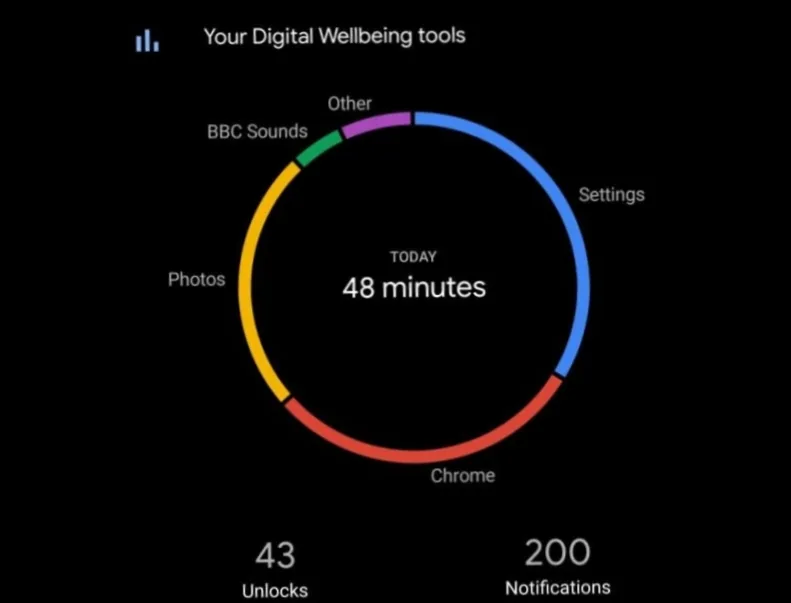
Forget the stopwatch. Instead, watch your child. Are they cranky when the screen goes off? Struggling to fall asleep? Choosing the tablet over outdoor play every time? Losing interest in books, puzzles, or face-to-face conversations? These behaviors signal that screens might be edging out the essentials. And when screens start replacing play, conversation, or rest that’s when you need to take a step back. Another red flag? If your child becomes more irritable, withdrawn, or anxious after screen time, it’s time for a reset. Their mood can be a powerful mirror of their mental overstimulation.
How to Set Healthy Screen Boundaries (Without the Battles)
You don’t need to go cold turkey. But you do need a plan. And yes, it’s 100% possible to set limits without daily meltdowns.
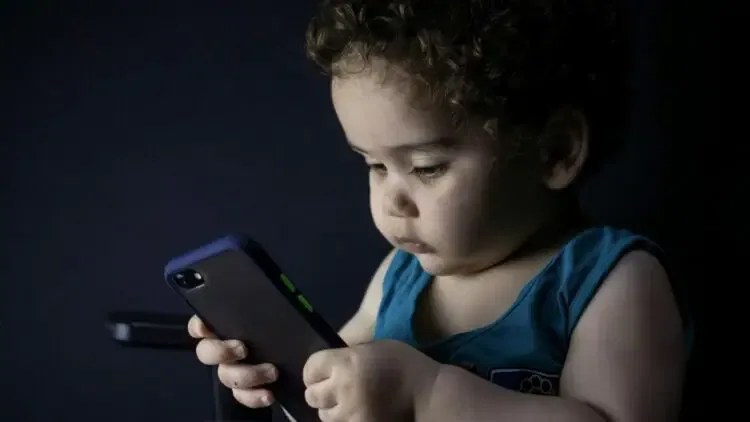
Start by creating “tech-free” zones. Bedrooms and dinner tables are great places to begin. Keep screens out of sleep spaces. The blue light from screens messes with melatonin, the hormone that helps us sleep.
Related products
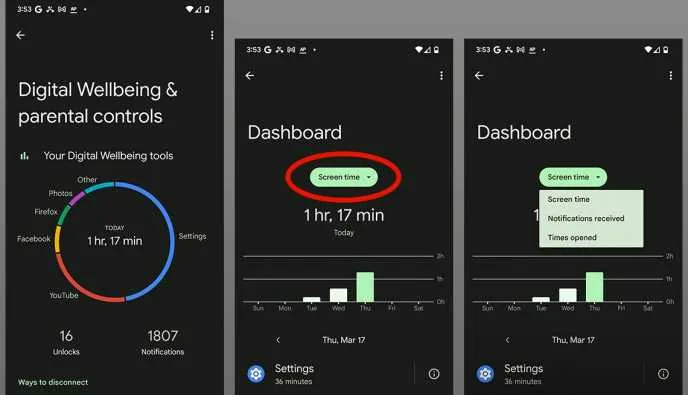
Set firm but flexible time limits. Let your child know when screen time starts and when it ends. Use a timer if it helps. And most importantly, follow through. Kids feel secure when boundaries are clear and predictable.
Be involved in what your child is watching or playing. Ask questions. Watch alongside them when you can. It builds trust and it helps you spot problematic content early.
And perhaps most importantly: model healthy behavior. If you’re glued to your phone at every stoplight or scrolling at the dinner table, your child is learning that that’s what normal looks like. Show them a better example.
Encourage Real-Life Alternatives
When you reduce screen time, you need to fill that gap. Kids won’t just put down a device unless there’s something just as compelling to pick up. Offer hands-on activities: drawing, building, cooking, dancing, nature walks, puzzles. Let them be bored. That’s where imagination is born. Get outside. Fresh air is magic. Run, climb, dig, explore. Movement resets a child’s nervous system and gives their brain the kind of stimulation screens just can’t replicate. Make play social. Invite a friend over. Have a board game night. Let your child see that fun doesn’t have to mean flashing lights and touchscreens.
Final Thoughts
Keep It Realistic and Consistent. We’re not aiming for perfection. We’re aiming for presence. You don’t need to ban screens or feel guilty every time your child watches a show. You just need to guide their screen use with intention. Stay involved. Set clear limits. Encourage balance. Because at the end of the day, screen time isn’t the enemy. Unsupervised, unlimited, unchecked screen time is. When kids learn how to use technology as a tool not a crutch they develop the skills to thrive in a digital world and the real one.




Comments (0)
Be the first to comment on this article!
Share your thoughts and start the discussion.