Medical emergency? Call your local emergency number
First aid guides

Menu

The Truth About Belly Fat Why You’re Not Losing It Even After Working Out

The Truth About Belly Fat Why You’re Not Losing It Even After Working Out Healthy living & wellness 3 min read
Not yet medically reviewed. This page has not been checked by a qualified medical reviewer. Use it for general education only and confirm anything important with a healthcare professional. Written by GeoMed Editorial Team. Last updated 24 October 2026.

According to the CDC, more than 40% of adults struggle with abdominal obesity, even among those who exercise regularly. That’s not a motivation problem it’s a strategy problem. So, if you’ve been doing crunch after crunch, jogging every morning, and pushing through your workouts, but your belly fat isn’t budging… something deeper is going on. The scale isn’t lying, but it’s not telling the full story either. This article breaks down exactly why your midsection might be stuck in place and what to do about it. It’s not about magic solutions. It’s about real, science-backed steps that actually work. Let’s get into it.

Spot Reduction Is a Myth

One of the biggest misconceptions is the idea of spot reduction. Despite what social media influencers or trendy workouts may claim, you can’t target fat loss in a specific area of your body. Doing endless sit-ups might strengthen your abdominal muscles, but it won’t melt the fat on top of them. Fat loss happens across the entire body, not just in one place. That’s why focusing on total body workouts, rather than isolating your core, is key to revealing a flatter midsection. Why is spot reduction a myth?

Your Diet Could Be Holding You Back

Diet is another silent player in this equation. You might be working hard at the gym, but if your meals are filled with processed foods, sugary drinks, or excessive calories, your progress will be slow or completely stalled. Sugar and refined carbs, in particular, increase insulin levels and encourage your body to store fat especially around the belly. Making better food choices like increasing your intake of vegetables, lean proteins, and healthy fats can make a noticeable difference. What foods help you lose belly fat? Even small tweaks like cutting sugary drinks or minimizing late-night snacking can shift your results.

The Truth About Belly Fat Why You’re Not Losing It Even After Working Out

Your Workout Needs More Intensity

Another reason belly fat sticks around is due to workout routines that don’t challenge your body enough. Doing the same exercises over and over can lead your body to adapt, which means fewer calories burned over time. To continue seeing results, you need to increase intensity or change your routine. Resistance training and high-intensity interval training (HIIT) are both effective ways to build muscle, boost metabolism, and accelerate fat loss. Rest days also play an important role in recovery and hormonal balance, which supports overall fat-burning. HIIT for fat loss

Stress and Sleep Affect Your Waistline

Stress and sleep are often overlooked but are powerful factors when it comes to belly fat. High stress levels increase cortisol, a hormone linked to abdominal fat storage. Sleep deprivation does a similar thing it throws off hunger hormones, making you crave junk food and overeat. How stress contribute to weight gain ? Creating healthy habits like winding down before bed, avoiding screens at night, and practicing stress-reducing activities like walking or deep breathing can help keep cortisol levels in check and support your weight loss journey.

The Truth About Belly Fat Why You’re Not Losing It Even After Working Out

The Scale Might Be Misleading You

Tracking your progress in the wrong way can also lead to frustration. The scale doesn’t always reflect fat loss, especially if you’re gaining muscle while losing fat. Instead of obsessing over your weight, try measuring your waist, taking progress photos, or using tools that track body fat percentage. These give a more accurate picture of your transformation.

Hormones Could Be the Hidden Culprit

Lastly, if you’ve truly been consistent with your workouts, eating well, and managing stress but still see no changes your hormones could be part of the issue. Conditions like thyroid imbalances, insulin resistance, or polycystic ovary syndrome (PCOS) can make losing belly fat incredibly difficult. In such cases, speaking to a healthcare professional and running simple tests can uncover hidden barriers and guide you toward a more personalized, effective plan.

Final Thoughts: Focus on Health, Not Just Abs

In the end, a flat tummy isn’t just about how you look it's also a reflection of your internal health. Visceral fat, which sits around your organs, is linked to serious health risks like diabetes, heart disease, and inflammation. Focusing on long-term, sustainable lifestyle changes is the best way to reduce belly fat and protect your health.
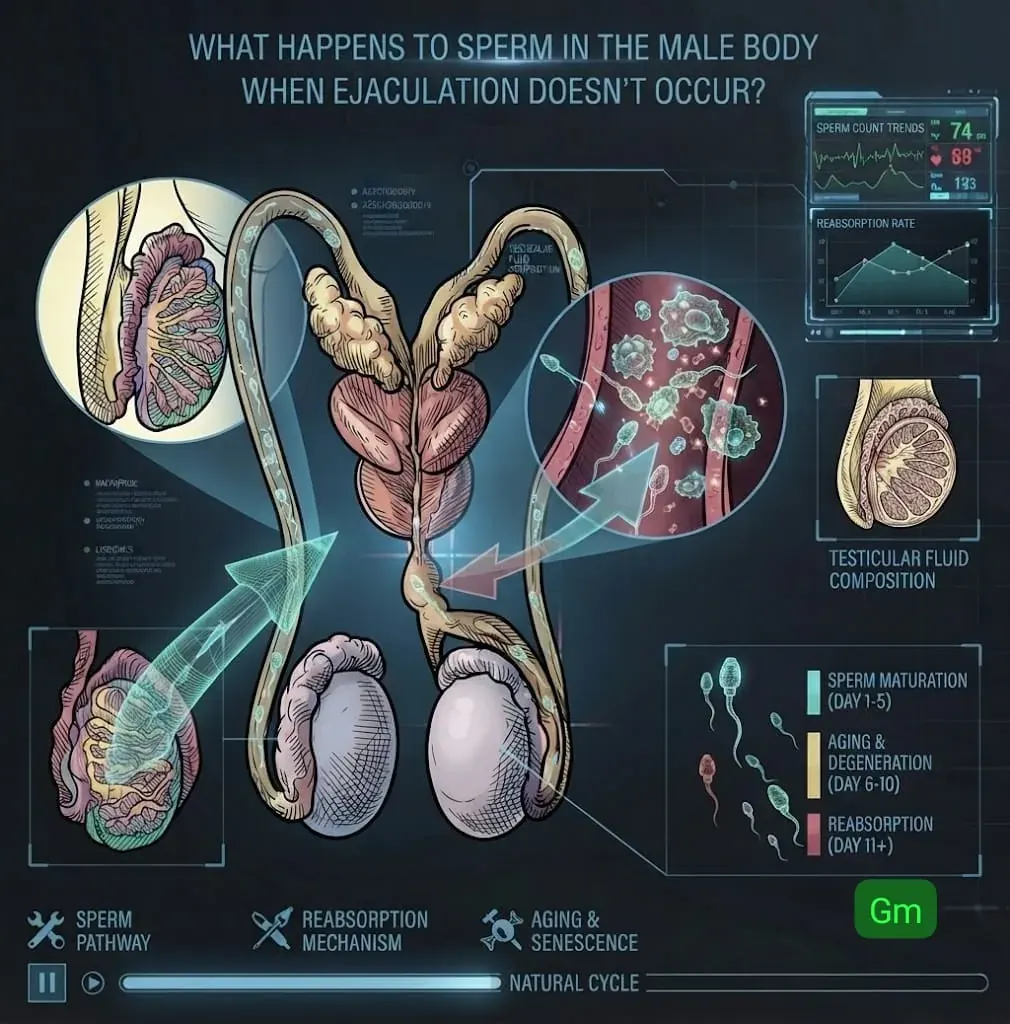
Image credits

  • Heading image: GeoMed

Comments (0)

Be the first to comment on this article!

Share your thoughts and start the discussion.

Leave a comment

Comments are public and reviewed by a moderator before they appear. Please don’t share personal medical details, as we can’t give individual medical advice in comments. Comments are not reviewed medical content.

By commenting you agree to our terms of use and comment policy. See our privacy policy for how we handle your data.

More articles

View all
What Happens to Sperm in the Male Body When Ejaculation Doesn’t Occur? Sexual & reproductive health

What Happens to Sperm in the Male Body When Ejaculation Doesn’t Occur?

Every day, the male body produces millions of sperm. Millions! But what happens when you don’t release them through ejaculation? Many men assume sperm just “sits there” or loses potency. The truth is far more fascinating. Your body is smarter than you think. It manages sperm, recycles it, and keeps your reproductive system running smoothly even during long periods of abstinence. By the end of this article, you’ll understand exactly how your body handles unreleased sperm, what it means for your health, and why this natural process is completely safe.

2 min read
Natural Penis Growth What Most Men Never Learn Sexual & reproductive health

Natural Penis Growth What Most Men Never Learn

More than 60 percent of men report concerns or questions about their penis size at some point in their lives. That number is huge. It tells me one thing very clearly. Curiosity about natural penis growth is normal. Most information available is vague or exaggerated. The truth is simple. Penis growth is guided by biology. Quietly. Gradually. Predictably. Understanding what drives growth lets you stop chasing myths and start supporting your body.

3 min read
How Long Should Sex Last in Bed? The Truth Nobody Talks About Sexual & reproductive health

How Long Should Sex Last in Bed? The Truth Nobody Talks About

“Most men last less than seven minutes during intercourse.” That number might shock you but here’s the real kicker: satisfaction doesn’t follow a stopwatch. One quick statistic doesn’t define pleasure. Connection, control, and technique do. I’ve worked with couples and individuals who stress over duration and it’s usually unnecessary. But the mistakes people make? Those are real and they cost intimacy.

3 min read
What Really Happens to a Man's Penis After a Certain Age Will Shock You Sexual & reproductive health

What Really Happens to a Man's Penis After a Certain Age Will Shock You

By age 70, approximately 70% of men will experience erectile dysfunction. Seventy percent! That's not a typo, and it's not some obscure statistic from a small study it's a reality backed by decades of research that most men aren't prepared for. But here's what really gets me: while we obsess over gray hair, wrinkles, and declining muscle mass, we rarely have honest conversations about what happens to one of the most vital organs in a man's body. And I don't just mean erectile function. I'm talking about actual physical changes shrinkage, curvature, color changes, loss of sensitivity that begin much earlier than most men realize. Let me be direct: ignoring these changes won't make them go away. Understanding what's happening and why can help you maintain sexual function, catch potential health problems early, and yes, keep your sex life satisfying for decades longer than you might expect.

7 min read