Medical emergency? Call your local emergency number
First aid guides

Menu

What Your Feet May Be Telling You About Your Health: Key Signs to Watch For

What Your Feet May Be Telling You About Your Health: Key Signs to Watch For Healthy living & wellness 3 min read
Not yet medically reviewed. This page has not been checked by a qualified medical reviewer. Use it for general education only and confirm anything important with a healthcare professional. Written by GeoMed Editorial Team. Last updated 24 October 2026.

Feet, what do I need you for when I have wings to fly?" Frida Kahlo once said. Well, most of us don’t have wings, and our feet do a lot more than just get us from point A to B. They can also tell us a surprising amount about our health. Think of them as an early warning system. Circulation issues, nerve damage, even serious conditions like diabetes and heart disease qsometimes, the first signs show up in your feet. But here’s the good news: if you know what to look for, you can catch problems early and take action.

Your Feet Can Reveal Hidden Health Issues: Here’s What to Look For

1. Cold Feet? It Could Be Circulation Issues

Feet always freezing, even when the rest of you is warm? Poor circulation could be the culprit. Conditions like diabetes, high blood pressure, or peripheral artery disease (PAD) can cause narrowed arteries, reducing blood flow.

What to do: Try moving more regular walking improves circulation. Keep your feet warm and avoid smoking, which worsens circulation. If you also notice numbness or slow-healing cuts, check in with a doctor.

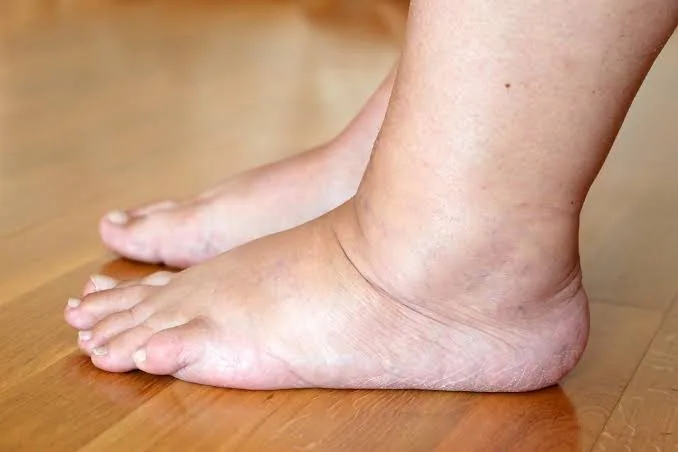
2. Swollen Feet: More Than Just a Long Day?

Occasional swelling after standing all day? Normal. Persistent puffiness? That’s another story. It could point to kidney disease, heart failure, or a thyroid issue all of which can lead to fluid retention. Understanding Leg Swelling (Edema) and Its Impact on Your Health
What Your Feet May Be Telling You About Your Health: Key Signs to Watch For

What to do: Elevate your legs above heart level for 20 minutes. Cut back on salt. If the swelling is severe, painful, or doesn’t improve, seek medical advice.

3. Tingling or Numbness? Nerve Damage Alert

That “pins and needles” feeling or worse, complete numbness could mean nerve damage, especially from diabetes (diabetic neuropathy). High blood sugar can silently attack nerves, often starting in the feet.

What Your Feet May Be Telling You About Your Health: Key Signs to Watch For

What to do: Keep blood sugar in check if you have diabetes. Regular foot checks are crucial small cuts can turn into big problems if you don’t feel them. A doctor can test for nerve function and recommend treatments to slow progression.

4. Cramping: Dehydration, Deficiencies, or Something More?

Foot cramps can hit out of nowhere. Sometimes, it’s just dehydration or a lack of magnesium, potassium, or calcium. Other times, it signals poor circulation or nerve dysfunction.

What Your Feet May Be Telling You About Your Health: Key Signs to Watch For

What to do: Stay hydrated. Eat magnesium-rich foods like nuts, leafy greens, and whole grains. If cramps persist, especially at night, see a doctor.

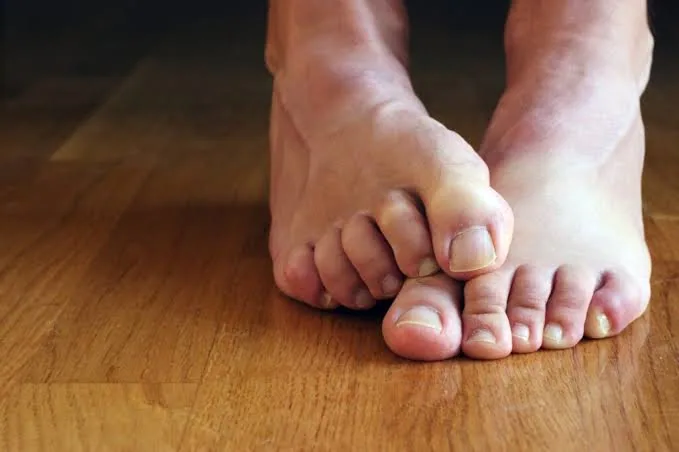
5. Yellow, Thick Toenails: A Fungal Infection or Worse?

Fungal infections are the usual suspect when nails turn yellow and thick, but if they’re especially thick or separating from the nail bed, it could be psoriasis or even a sign of lung disease.
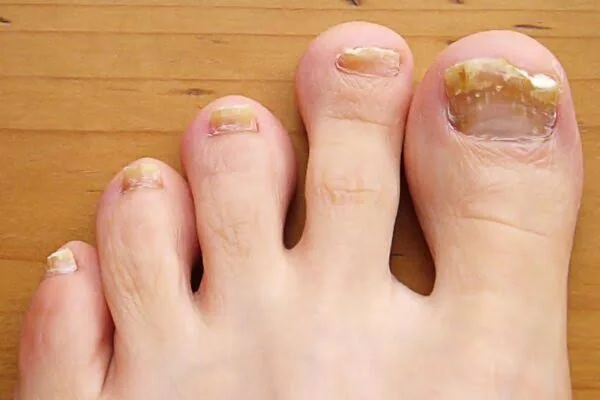
What Your Feet May Be Telling You About Your Health: Key Signs to Watch For

What to do: Over-the-counter antifungals can help, but if the nail doesn’t improve, see a podiatrist. Keeping feet dry and changing socks often prevents fungal growth.

6. A Sore That Won’t Heal? Major Red Flag

A cut or wound that lingers for weeks isn’t just annoying it could be a sign of diabetes or poor circulation. Reduced blood flow makes healing slower and increases the risk of infection.
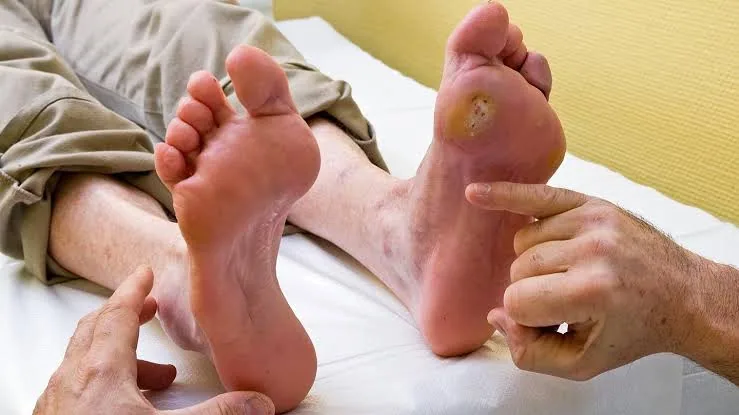
What Your Feet May Be Telling You About Your Health: Key Signs to Watch For

What to do: Don’t ignore it. Keep wounds clean and covered, but if healing is slow, a doctor needs to check your circulation and blood sugar levels.

7. Clubbing of the Toes? Possible Lung or Heart Issue

Toenails curving downward and swollen toes? That’s called clubbing, and it’s often linked to low oxygen levels due to lung or heart disease.
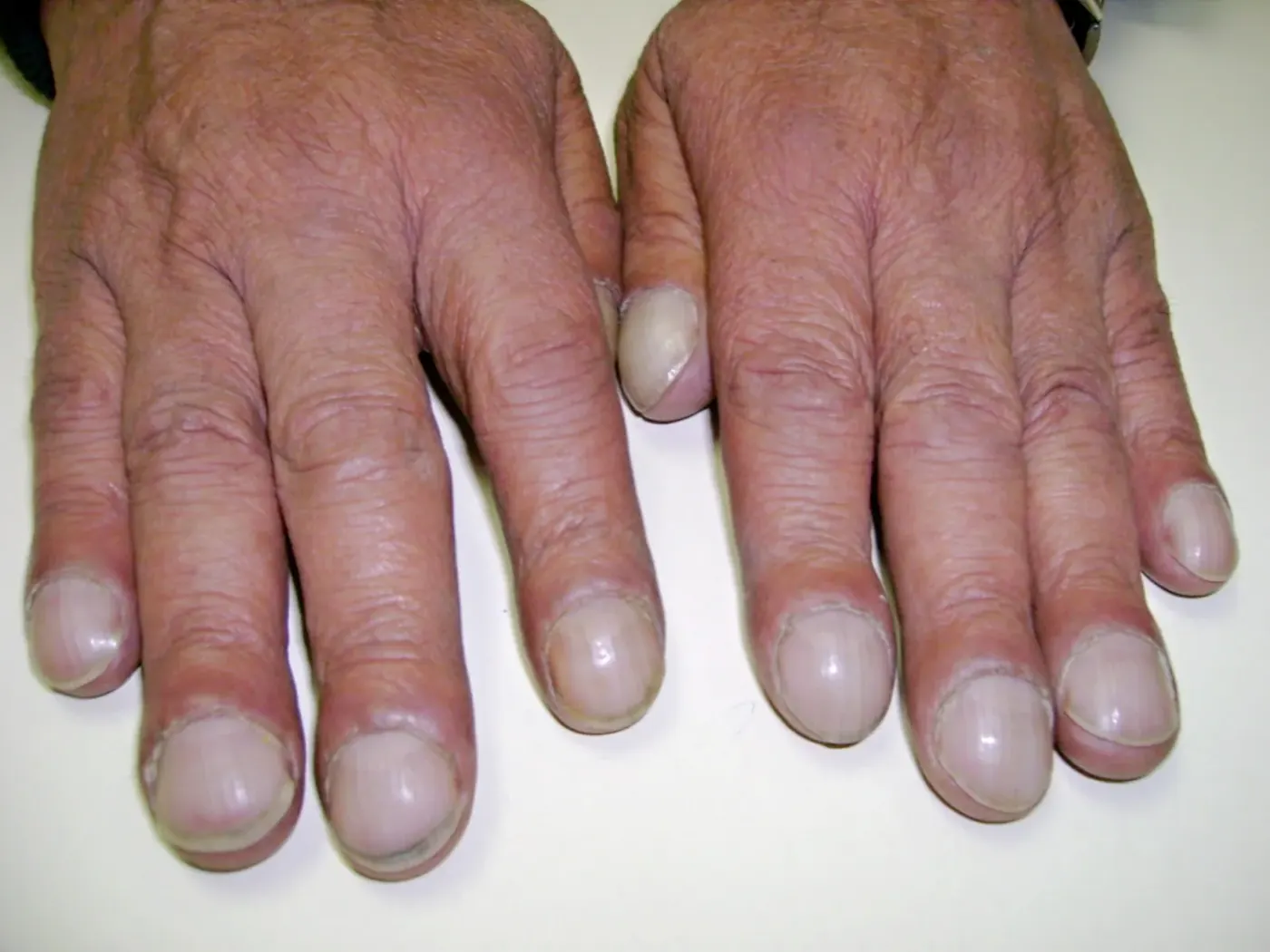
What Your Feet May Be Telling You About Your Health: Key Signs to Watch For

What to do: If you notice this, don’t wait get a medical evaluation. Clubbing can signal serious underlying conditions that need attention.

Bottom Line: Listen to Your Feet!

Feet might not be the first thing you think about when checking for health issues, but they’re packed with clues. Paying attention to changes whether it’s temperature, color, sensation, or wounds can help you catch problems early and take action before they become serious. If something feels off, don’t ignore it. Your feet

might just be sending you a critical message.
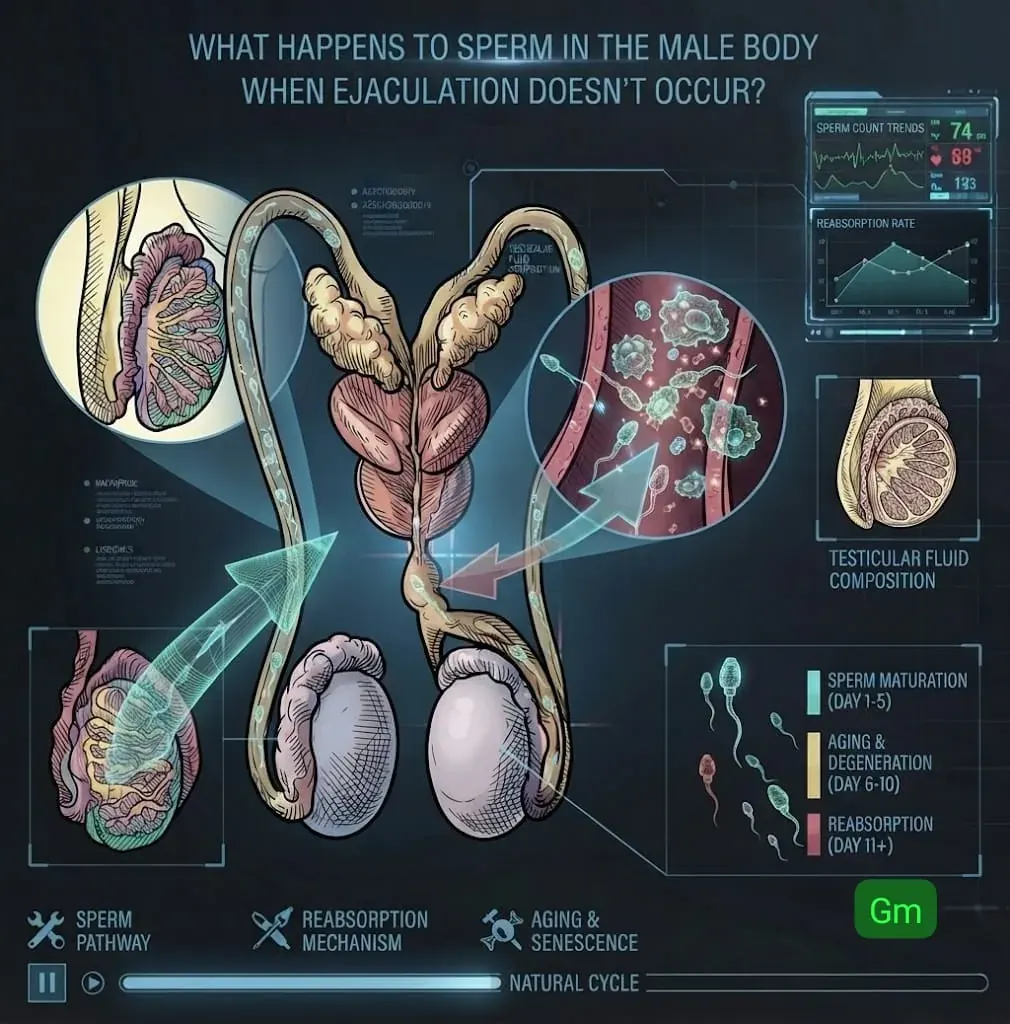
Image credits

  • Heading image: GeoMed

Comments (0)

Be the first to comment on this article!

Share your thoughts and start the discussion.

Leave a comment

Comments are public and reviewed by a moderator before they appear. Please don’t share personal medical details, as we can’t give individual medical advice in comments. Comments are not reviewed medical content.

By commenting you agree to our terms of use and comment policy. See our privacy policy for how we handle your data.

More articles

View all
What Happens to Sperm in the Male Body When Ejaculation Doesn’t Occur? Sexual & reproductive health

What Happens to Sperm in the Male Body When Ejaculation Doesn’t Occur?

Every day, the male body produces millions of sperm. Millions! But what happens when you don’t release them through ejaculation? Many men assume sperm just “sits there” or loses potency. The truth is far more fascinating. Your body is smarter than you think. It manages sperm, recycles it, and keeps your reproductive system running smoothly even during long periods of abstinence. By the end of this article, you’ll understand exactly how your body handles unreleased sperm, what it means for your health, and why this natural process is completely safe.

2 min read
Natural Penis Growth What Most Men Never Learn Sexual & reproductive health

Natural Penis Growth What Most Men Never Learn

More than 60 percent of men report concerns or questions about their penis size at some point in their lives. That number is huge. It tells me one thing very clearly. Curiosity about natural penis growth is normal. Most information available is vague or exaggerated. The truth is simple. Penis growth is guided by biology. Quietly. Gradually. Predictably. Understanding what drives growth lets you stop chasing myths and start supporting your body.

3 min read
How Long Should Sex Last in Bed? The Truth Nobody Talks About Sexual & reproductive health

How Long Should Sex Last in Bed? The Truth Nobody Talks About

“Most men last less than seven minutes during intercourse.” That number might shock you but here’s the real kicker: satisfaction doesn’t follow a stopwatch. One quick statistic doesn’t define pleasure. Connection, control, and technique do. I’ve worked with couples and individuals who stress over duration and it’s usually unnecessary. But the mistakes people make? Those are real and they cost intimacy.

3 min read
What Really Happens to a Man's Penis After a Certain Age Will Shock You Sexual & reproductive health

What Really Happens to a Man's Penis After a Certain Age Will Shock You

By age 70, approximately 70% of men will experience erectile dysfunction. Seventy percent! That's not a typo, and it's not some obscure statistic from a small study it's a reality backed by decades of research that most men aren't prepared for. But here's what really gets me: while we obsess over gray hair, wrinkles, and declining muscle mass, we rarely have honest conversations about what happens to one of the most vital organs in a man's body. And I don't just mean erectile function. I'm talking about actual physical changes shrinkage, curvature, color changes, loss of sensitivity that begin much earlier than most men realize. Let me be direct: ignoring these changes won't make them go away. Understanding what's happening and why can help you maintain sexual function, catch potential health problems early, and yes, keep your sex life satisfying for decades longer than you might expect.

7 min read