

Person Eating Mindfully
1. Choose Whole Foods Over Processed Foods
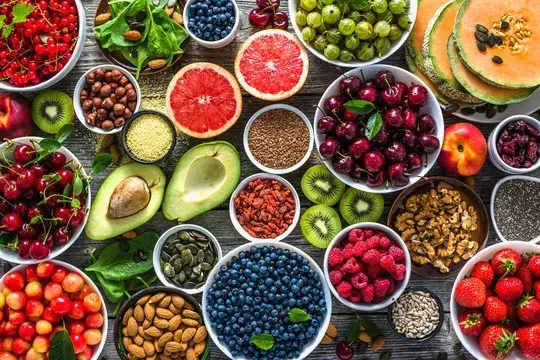
The foundation of a healthy diet starts with whole foods. These are the foods that haven’t been tampered with or stripped of their nutrients. Think fresh vegetables, fruits, whole grains, and lean meats. Start by cutting back on processed foods, those bags of chips, sugary snacks, and ready-made meals. These items are often packed with empty calories, excess sugar, and unhealthy fats. The next time you’re at the grocery store, make it a point to fill your cart with more fresh produce and less packaging. It’s one of the most straightforward ways to elevate your meals.
2. Add More Fruits and Vegetables to Your Plate

Here’s an easy rule: fill half your plate with fruits and vegetables. They’re packed with essential vitamins, minerals, and fiber. These nutrients support every part of your body, from boosting your immune system to keeping your skin healthy. If you’re struggling to meet this goal, try sneaking veggies into every meal. Toss some spinach into your breakfast smoothie. Snack on carrots or cucumber slices. It’s all about making them a regular part of your day.
3. Drink More Water

Water is often the most overlooked element of a healthy diet. You might think coffee or energy drinks will keep you alert, but water is the real hydration hero. Drinking enough water helps digestion, supports skin health, and boosts your metabolism. Aim to drink at least eight cups a day. Keep a water bottle on hand so you don’t forget, and make it a habit to sip throughout the day. You’ll be surprised at how much better you feel when hydration becomes a priority.
4. Read Nutrition Labels
When was the last time you checked a nutrition label? If you’re like most people, it’s probably been a while. But understanding what’s in the food you're eating is key. Look for hidden sugars, unhealthy fats, and unnecessary additives. Compare products to find healthier choices, sometimes, two brands of the same item can be surprisingly different. Take the time to turn the package around and read the label. It’ll empower you to make better choices on the spot.
5. Practice Portion Control
Portion sizes have grown over the years, especially when dining out. That extra-large serving? It’s easy to think it’s “normal,” but it often means you're eating more than your body needs. Try using smaller plates to help manage your portions. If you’re still hungry after a meal, give yourself time to feel satisfied before going for seconds. You’ll find that eating mindfully, paying attention to hunger signals, helps prevent overeating.
6. Plan Your Meals Ahead of Time
Meal planning doesn’t need to be complicated. A simple weekly plan can save you time, money, and stress. It doesn’t require a full kitchen overhaul, either. Start by planning just a few dinners for the week, and build from there. Batch cooking some meals or prepping ingredients in advance can make healthy eating less of a chore. This will also help you avoid the temptation of fast food or unhealthy snacks when you’re pressed for time.
7. Cook at Home More Often

The more you cook at home, the easier it becomes to make healthy choices. You control what goes into your food, from the amount of salt to the type of oils you use. Plus, home-cooked meals tend to be more satisfying than fast food or takeout. But cooking doesn’t need to be elaborate. You can make simple, nutritious meals in 30 minutes or less. Explore new recipes, or try a one-pan dish that’s both easy to make and clean up.
8. Limit Added Sugars
Added sugars are sneaky. They lurk in many processed foods, drinks, and even “healthy” snacks. Over time, too much sugar can increase your risk of chronic diseases, like diabetes and heart disease. Start by cutting back on sugary drinks, like sodas and flavored coffees. Instead, opt for water, herbal teas, or simply add lemon to your water for flavor. Satisfy your sweet tooth with fresh fruit, it’s a natural, nutrient-packed option.
9. Include Healthy Fats in Your Diet
Not all fats are bad! In fact, your body needs healthy fats to function properly. Foods like avocado, nuts, seeds, and olive oil are rich in monounsaturated fats that support heart health. These fats are also filling, which means you’re less likely to overeat. So, next time you’re cooking, swap out butter for olive oil or snack on a handful of almonds instead of chips.
10. Eat Mindfully

In today’s fast-paced world, it’s easy to eat on the go or in front of the TV. But eating mindfully, really focusing on your food, helps you enjoy it more and make better choices. Try to sit down for meals, take small bites, and chew slowly. Put away distractions like phones or screens and pay attention to how your body feels. Not only will you savor your meals more, but you’ll also notice when you’re full and avoid overeating.
Final Thoughts
Making healthy eating a part of your lifestyle is a marathon, not a sprint. By focusing on small, manageable steps, you can make lasting changes that benefit your overall health. Remember, every little improvement counts. Start with one or two changes from this list, and build from there. You’ve got this, your future self will thank you for it.




Comments (0)
Be the first to comment on this article!
Share your thoughts and start the discussion.