Medical emergency? Call your local emergency number
First aid guides

Menu

Hernia Repair Fixing a hernia to prevent complications

Hernia Repair Fixing a hernia to prevent complications General surgery 3 min read
Not yet medically reviewed. This page has not been checked by a qualified medical reviewer. Use it for general education only and confirm anything important with a healthcare professional. Written by GeoMed Editorial Team. Last updated 24 October 2026.
Every patient and hospital is different. Your surgical team will explain what applies to you, including the benefits, risks and alternatives, before asking for your consent.

One minute, you’re lifting groceries. The next, you feel an odd bulge in your abdomen. It’s not painful yet. But over time, discomfort creeps in. That bulge? It could be a hernia, and ignoring it won’t make it go away. Hernias happen when an organ or tissue pushes through a weak spot in the surrounding muscle. Some are small and harmless, but others can grow, cause pain, and even lead to dangerous complications like strangulation (when blood supply gets cut off). The good news? Hernia repair surgery is a simple, effective fix. Here’s everything you need to know from the procedure to recovery and essential home care tips.

Understanding Hernia Repair Surgery

Hernia repair surgery reinforces the weak spot in the muscle wall, preventing further issues.

There are two main types:

1. Open Hernia Repair: The surgeon makes a single incision over the hernia, pushes the tissue back into place, and stitches the muscle or reinforces it with mesh.

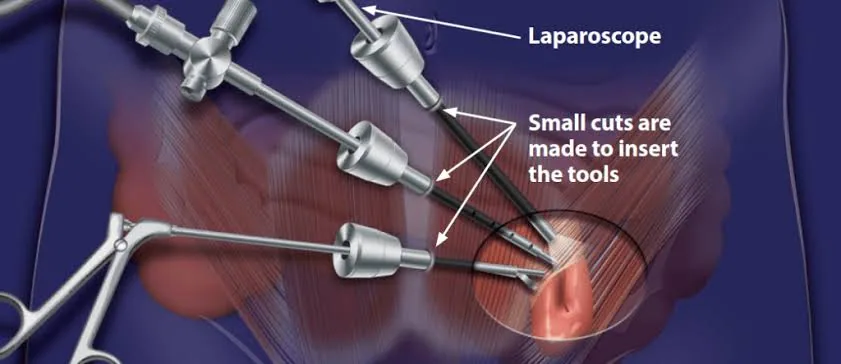
2. Laparoscopic Hernia Repair: A minimally invasive approach using small incisions and a camera. The surgeon repairs the hernia from the inside, often using mesh for added strength.

Both options work well, though laparoscopic surgery typically offers a faster recovery with less scarring.

When Should You Get Hernia Surgery?

Not every hernia requires surgery immediately. However, you should consider repair if:

  • The hernia is growing or becoming more noticeable.

  • You experience pain, especially during movement or exercise.

  • It’s causing digestive problems like bloating or constipation.

The hernia becomes trapped (incarcerated) or strangulated, which is a medical emergency.

If in doubt, talk to your doctor. It’s always better to fix a hernia before complications arise.

What happens During Hernia Surgery?

Before Surgery:

  • Your doctor may ask you to fast for several hours.

  • You’ll receive anesthesia either general (you’ll be asleep) or local (numbs the area while you stay awake).

**During Surgery:

  • **The surgeon pushes the hernia back in place and stitches the muscle or reinforces it with mesh.

  • The procedure typically takes 30 minutes to an hour.

After Surgery:

You’ll wake up in recovery, possibly feeling groggy.

Most patients go home the same day, but some may need an overnight stay.

Recovery and At-Home Care Tips

Healing takes time, but these steps can speed up your recovery:

  1. Manage Pain Wisely

Expect some soreness. Your doctor may prescribe pain relievers or recommend over-the-counter options like ibuprofen.

Apply ice packs to reduce swelling and discomfort.

  1. Take It Easy but Stay Mobile

Avoid heavy lifting and strenuous activity for four to six weeks.

However, light walking helps prevent blood clots and promotes healing.

  1. Watch for Warning Signs

Some swelling and bruising are normal, but severe pain, fever, or drainage from the incision could signal a problem call your doctor.

  1. Protect Your Abdomen When Coughing or Sneezing

Use a pillow to support your abdomen when coughing, laughing, or sneezing to avoid strain.

  1. Eat for Recovery

Prevent constipation by eating fiber-rich foods like fruits, vegetables, and whole grains.

Stay hydrated and use a stool softener if needed.

  1. Ease Back Into Daily Activities

Most people return to work within one to two weeks, depending on their job’s physical demands.

Listen to your body if something hurts, don’t push it.

When to Call Your Doctor

**Most hernia repairs heal without complications, but call your doctor if you experience:

  • **Severe swelling, redness, or warmth at the incision site.

  • Persistent nausea or vomiting.

  • Difficulty urinating or having a bowel movement.

  • Fever over 100.4°F (38°C).

Final Thoughts

A hernia might seem like a minor issue at first, but ignoring it can lead to serious health risks. Surgery is a safe and effective fix that strengthens your abdominal wall and prevents complications.
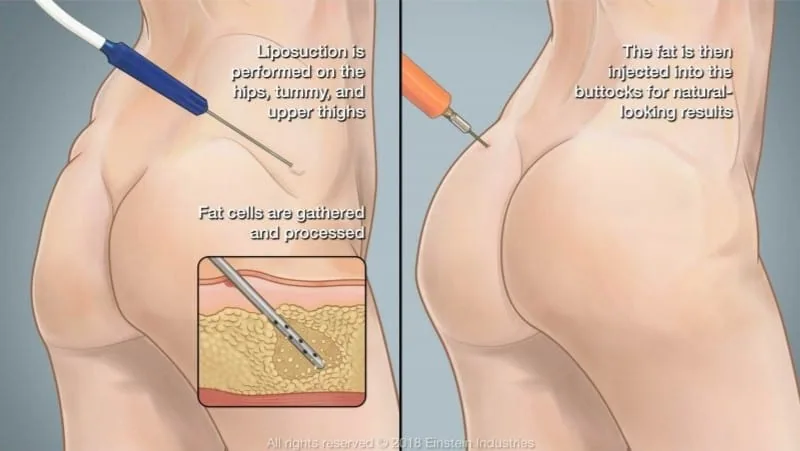
Image credits

  • Heading image: GeoMed

More Surgical procedures

View all
What You Must Know Before Choosing a BBL Procedure for Your Dream Shape Cosmetic & plastic surgery

What You Must Know Before Choosing a BBL Procedure for Your Dream Shape

The Brazilian Butt Lift carries a mortality rate that once reached 1 in 3,000 procedures making it the deadliest cosmetic surgery in plastic surgery history. That shocking statistic alone should make you pause before booking that consultation. But here's what the headlines don't tell you: when performed correctly by a qualified surgeon using modern techniques, the risk drops to less than 1 in 15,000. That's actually safer than a tummy tuck! I've spent years watching this procedure evolve from a high-risk gamble to a genuinely transformative option for patients. And I need you to understand something crucial right from the start: the difference between a safe BBL and a dangerous one often comes down to decisions you make before you ever set foot in an operating room. This isn't about scaring you away from achieving your aesthetic goals. It's about ensuring you walk into this with your eyes wide open, armed with the knowledge that could literally save your life.

8 min read
Why BBL Surgery Has Become the Most Talked About Body Procedure Today Cosmetic & plastic surgery

Why BBL Surgery Has Become the Most Talked About Body Procedure Today

A recent global cosmetic report revealed something striking fat-transfer butt enhancement has grown at a rate faster than almost any other aesthetic procedure in the last decade, and the trend shows no signs of slowing down. That number alone tells us something deeper is happening. People aren’t just chasing curves. They’re chasing confidence, body balance, and a sense of identity shaped by modern culture. I’ve watched the conversations around BBLs evolve from whispers to front-page discussions, and it’s fascinating how a single procedure has reshaped the beauty landscape so dramatically. The buzz isn’t random. It’s rooted in real, powerful reasons that many people don’t fully understand until they take a closer look. Let’s break it down with clarity, honesty, and real value!

5 min read
Why Doctors Prefer Suprapubic Catheters Over Regular Urinary Catheters in Some Cases Urology

Why Doctors Prefer Suprapubic Catheters Over Regular Urinary Catheters in Some Cases

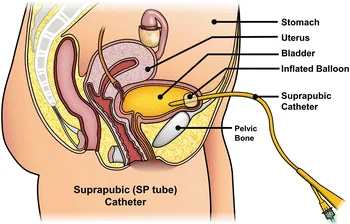
Here's something most people don't realize: roughly one in four hospital patients needs a urinary catheter at some point during their stay. That's millions of people worldwide dealing with bladder drainage, and the decision about which type of catheter to use isn't just medical paperwork it can mean the difference between comfort and pain, between a smooth recovery and a serious infection. I've spent years examining catheterization strategies, and the truth is more nuanced than most healthcare discussions suggest. The traditional indwelling urethral catheter that familiar tube inserted through the urethra isn't always the best option. In fact, for certain patients, a suprapubic catheter might be significantly better. Let me explain why.

6 min read
See How Surgeons Use Metal Rods to Make a Woman 13 Inches Taller Orthopaedics & bone

See How Surgeons Use Metal Rods to Make a Woman 13 Inches Taller

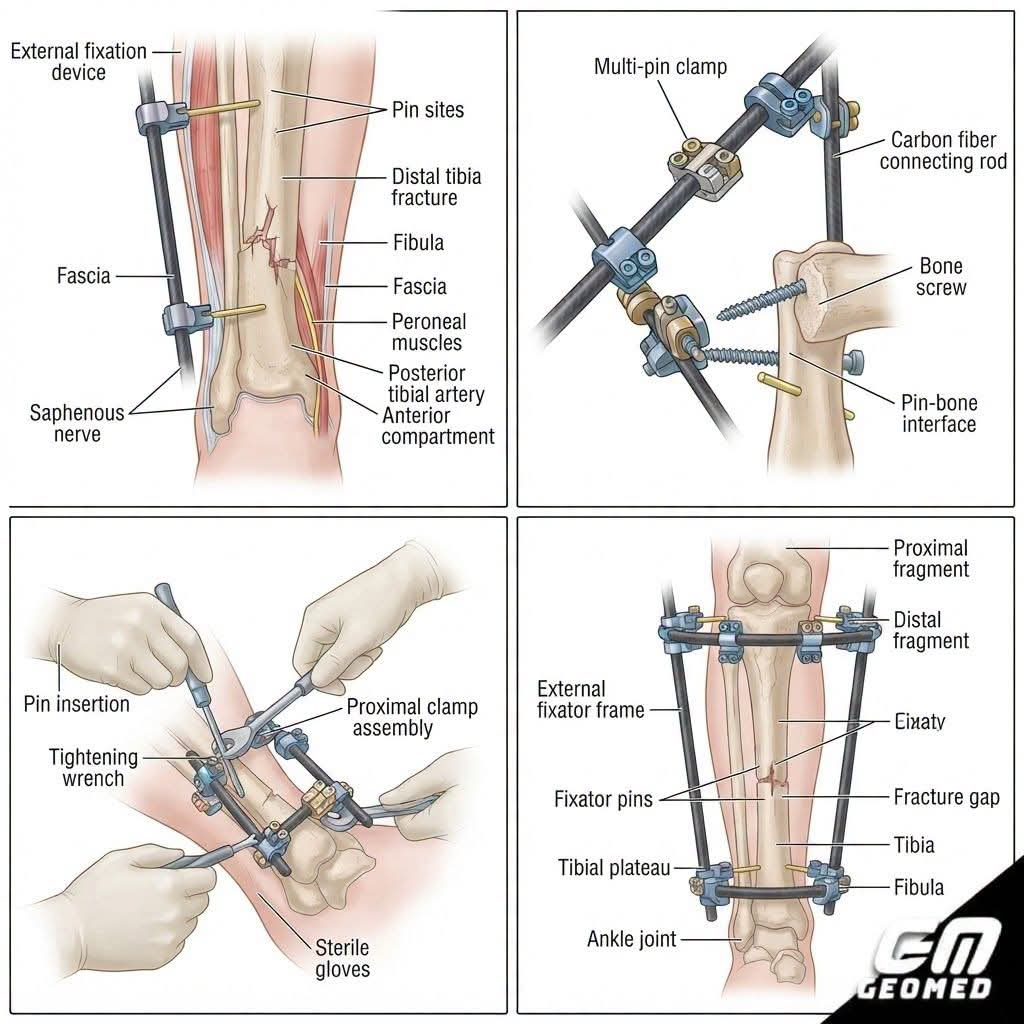
Three feet, ten inches. That's where Chandler Crews stood when she was 16 years old. Born with achondroplasia the most common form of dwarfism she faced daily challenges most people never consider: reaching light switches, grabbing items from grocery shelves, even completing basic hygiene tasks. Then she made a decision that would change everything: she would undergo a series of surgeries to lengthen her limbs by more than a foot. This isn't science fiction. It's called limb lengthening surgery, and it's one of the most remarkable procedures in modern orthopedic medicine. What sounds like something from a medieval torture chamber surgeons literally sawing bones in half and pulling them apart with metal devices is actually a carefully controlled process that exploits your body's natural ability to regenerate bone. I've watched this procedure transform lives, and I'm going to show you exactly how it works, what it entails, and why some patients consider it life-changing while others view it as unnecessarily risky.

11 min read