The Critical Role of Blood Tests in Your Health
We all know that feeling when something isn’t quite right, but we can’t put our finger on it. That’s where routine blood tests come in. They give your healthcare provider a clear view of what's happening beneath the surface, even when you're feeling great. These tests can reveal hidden issues like high cholesterol, diabetes, or kidney problems, conditions that might not show symptoms until they’ve already caused significant damage. Catching them early can make all the difference.
For those of us with chronic conditions, blood tests aren’t just a good idea, they’re essential. Imagine managing a condition like diabetes or heart disease without regular monitoring. It would be like driving a car without checking the fuel gauge. Blood tests help keep you on track and ensure your treatment plan is working as it should.
1. Spotting Hidden Health Risks Early

Routine blood tests are one of the best ways to detect health risks early, sometimes before you even feel a thing. High cholesterol, for instance, doesn't come with noticeable symptoms, but it increases your risk of heart disease and stroke. By regularly checking your cholesterol levels, you can take action, whether it's adjusting your diet or starting a medication, before a more serious health problem arises.
This is also true for conditions like diabetes. A simple blood sugar test can identify early signs of insulin resistance or prediabetes. The earlier these conditions are detected, the more options you have for preventing them from progressing into full-blown diabetes. That’s power. That’s prevention.
2. Tracking the Health of Your Organs
Our organs work tirelessly every day, but they don’t always send obvious signals when something’s wrong. Regular blood tests can shine a light on the health of vital organs like your kidneys and liver. Tests like liver function panels or kidney function tests can catch issues like liver disease or early-stage kidney failure before they progress into something serious.
Take a moment and think about how much your liver and kidneys do for you, processing toxins, filtering waste, and regulating everything from blood pressure to hormone levels. Blood tests can provide insight into how well they’re functioning, and whether interventions are needed before things go too far.
3. Keeping Nutrient Levels in Check
When it comes to health, it's not just about avoiding disease, it’s also about thriving. Blood tests can check for vitamin and mineral deficiencies that you may not even know you have. Low levels of vitamin D, iron, or B12 can leave you feeling fatigued or weak, and if untreated, could lead to more serious health problems.
Routine tests for things like iron levels can help you pinpoint nutrient imbalances, allowing you to make dietary changes or take supplements to bring your levels back into balance. In the long run, these small adjustments can significantly improve your energy, mood, and overall health.
4. Monitoring and Adjusting Chronic Condition Treatments
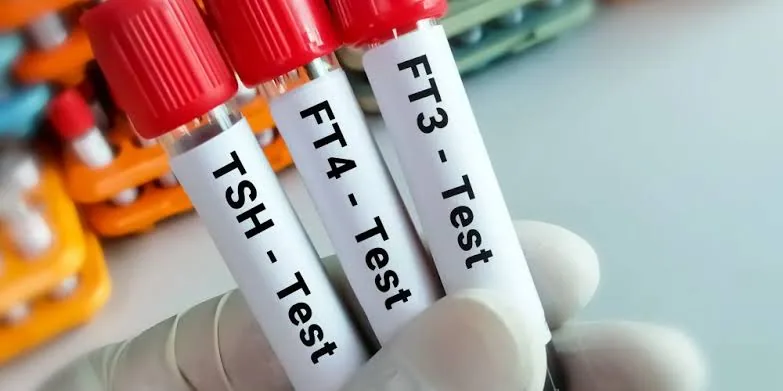
If you’re living with a chronic condition, like high blood pressure or thyroid disease, regular blood tests are non-negotiable. These tests allow doctors to track your progress and see how well your treatment plan is working. Adjusting medications, dietary recommendations, or lifestyle changes can all be based on the data these tests provide.
For example, your blood pressure medication may need tweaking if your levels aren’t stabilizing, or your thyroid medication may need adjusting if your hormone levels fluctuate. Regular testing provides your healthcare provider with the insight they need to make informed decisions about your care.
5. Preventing Serious Complications Down the Road
Routine blood tests are not just about checking off boxes, they’re about preventing complications before they have a chance to snowball. Many serious conditions, like certain cancers or heart disease, don’t show symptoms until they’re well advanced. But markers in your blood can hint at problems that haven’t yet reached the surface. Monitoring for elevated levels of specific enzymes or proteins can lead to earlier detection of these diseases. Early intervention means a better chance for effective treatment and long-term health.
What Should You Expect from a Routine Blood Test?

Routine blood tests are quick, easy, and often painless. Depending on what your healthcare provider orders, they may check anything from a basic blood count to liver enzymes, cholesterol levels, or glucose levels. Each test provides a unique piece of the health puzzle.
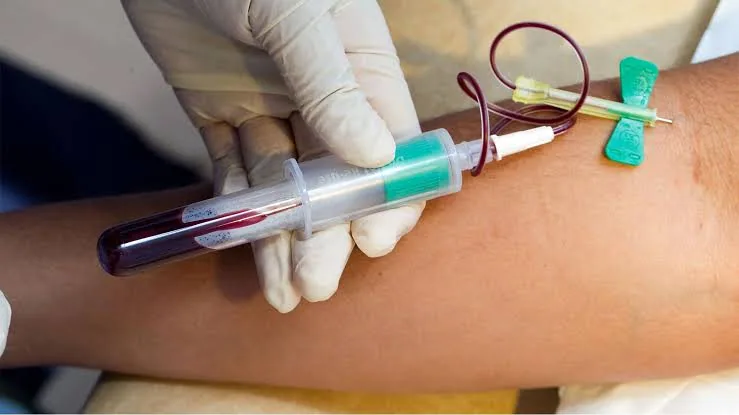
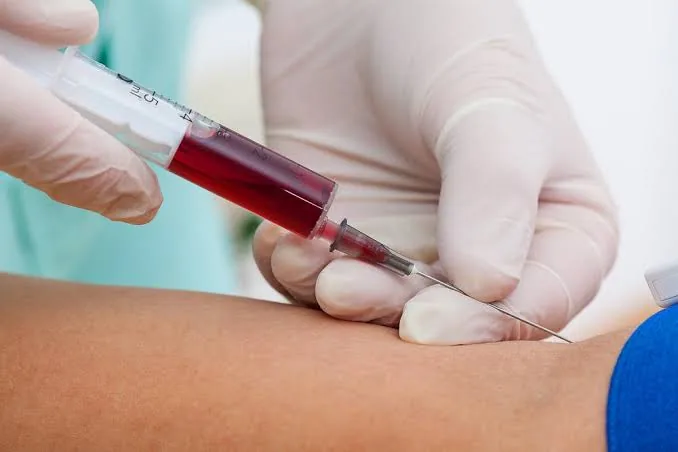
Most tests are done with a simple blood draw, typically from your arm. Some tests may require you to fast beforehand, while others do not. Always follow your healthcare provider’s instructions to ensure the most accurate results. Afterward, you’ll get your results and can discuss them with your doctor to understand what they mean for your health.
How Often Should You Get a Blood Test?

The frequency of blood tests depends on your age, health status, and any ongoing health conditions. For most adults, getting a blood test once a year is a good rule of thumb. However, if you have a chronic condition like diabetes or high cholesterol, your doctor may recommend more frequent testing to keep track of your condition.
Conclusion
Routine blood tests are more than just a health check-up. They are a powerful tool for monitoring your well-being, catching health issues early, and ensuring you’re on track for a long and healthy life. By making blood tests a regular part of your health routine, you’re taking control of your health before problems arise. Talk to your doctor today to set up a schedule th
at works for you. Your future self will thank you!