Overview
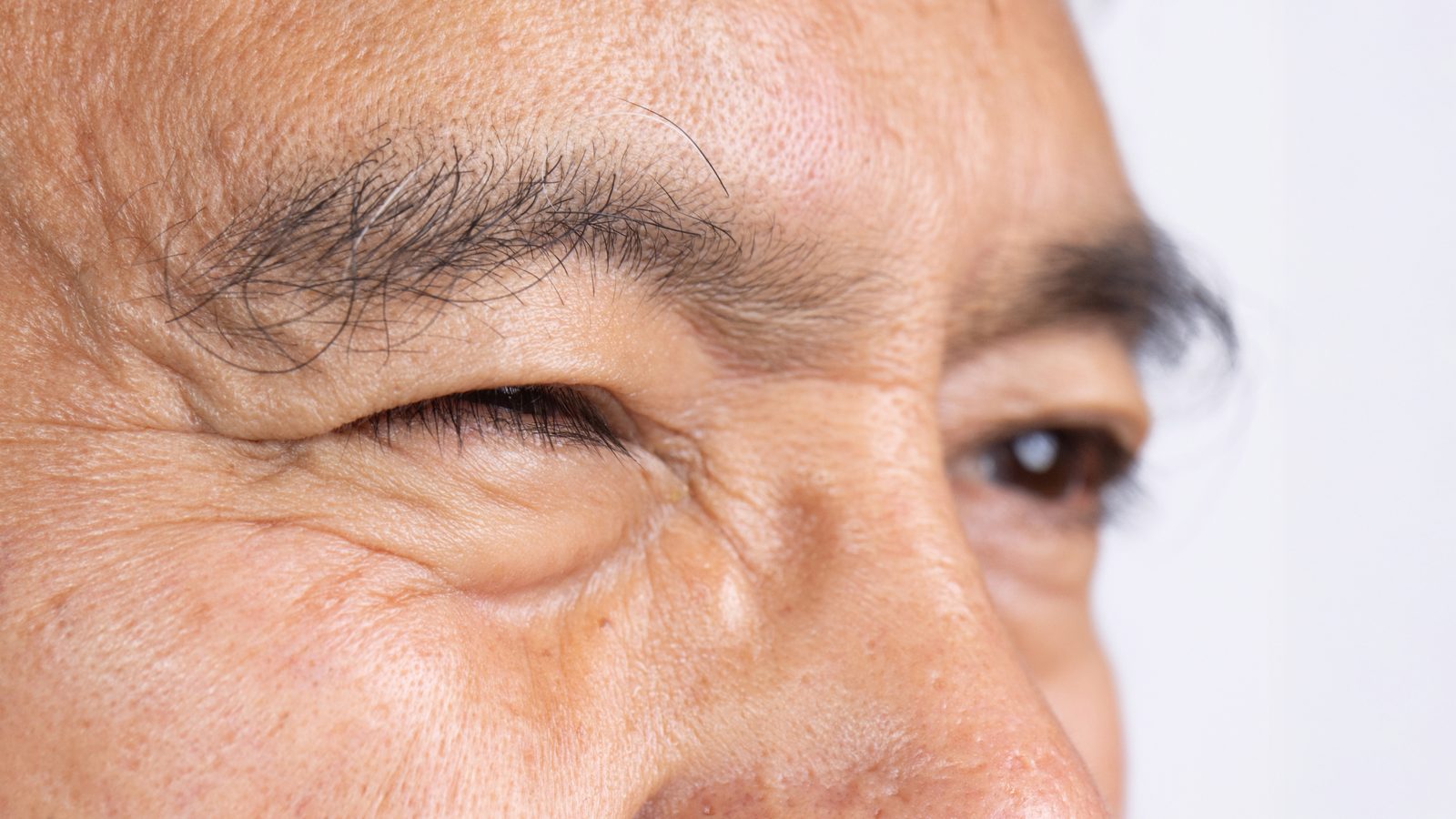
Benign essential blepharospasm is a neurological condition in which the muscles around the eyes contract involuntarily, causing excessive blinking, twitching and forceful closing of the eyelids. It is a type of focal dystonia, a movement disorder in which the brain sends abnormal signals to specific muscles.
It usually begins gradually in middle or later life, more often in women, starting with increased blinking or eye irritation and progressing to spasms that can make it hard to keep the eyes open. In severe cases, people may be functionally blind despite having healthy eyes, affecting reading, driving and daily activities. "Benign" means it is not life-threatening, and "essential" means the cause is unknown. Botulinum toxin injections are very effective at relieving symptoms.
Blepharospasm is often mistaken at first for dry eye or a simple eyelid twitch, which can delay diagnosis. Unlike the common eyelid twitch that many people experience when tired, blepharospasm affects both eyes, worsens over time and does not go away on its own.
When to get urgent help
Seek urgent care for sudden facial weakness, drooping eyelid, double vision or other new neurological symptoms.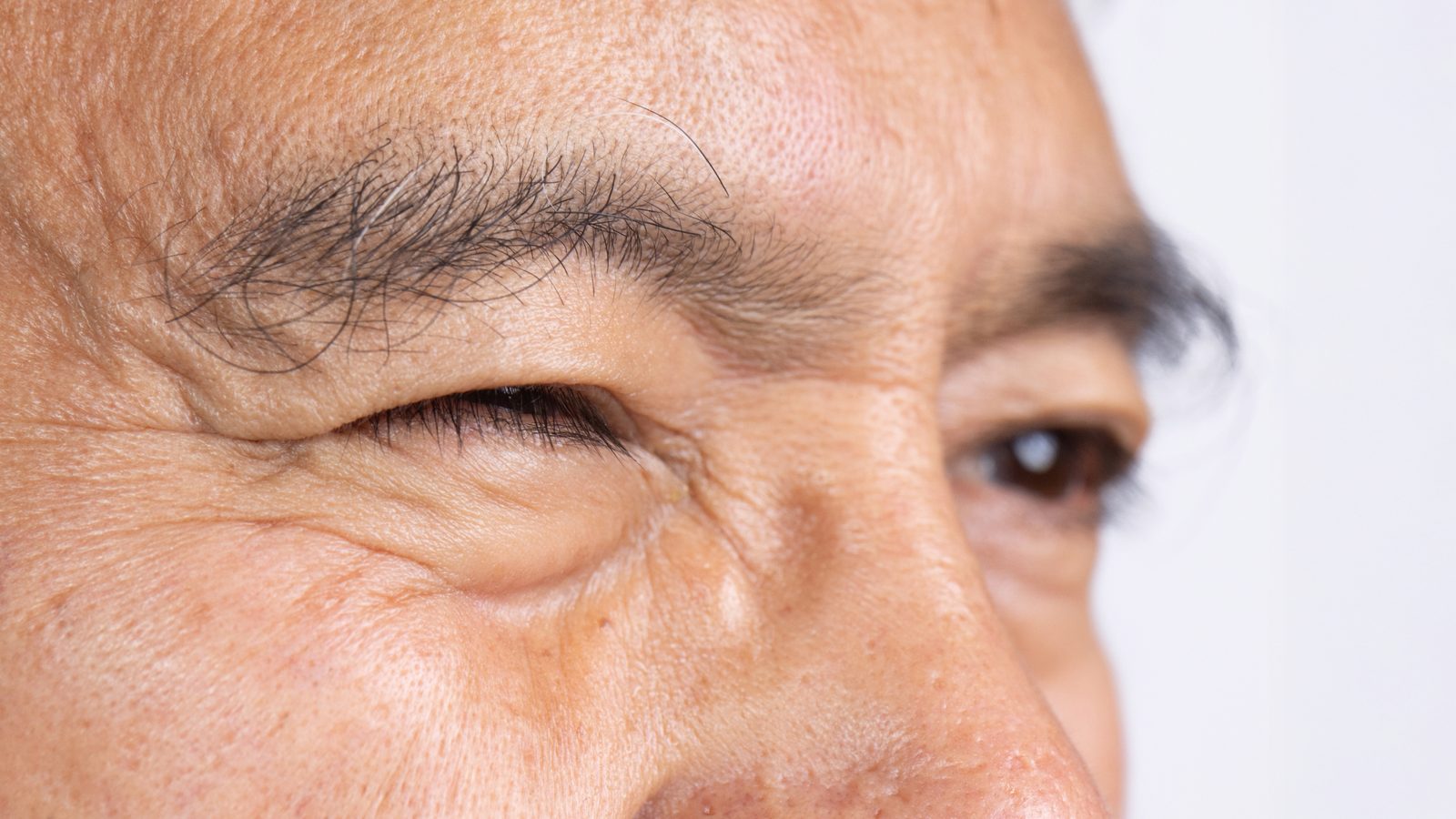
Causes and risk factors
The exact cause is unknown. It is thought to involve abnormal function of brain circuits that control movement. Associated factors include:
- Age: usually starts between 50 and 70
- Female sex
- Family history of dystonia or tremor
- Dry eye disease and eye irritation, which may trigger or worsen it
- Head injury
- Some medicines, such as those used for Parkinson's disease or antipsychotics, can cause similar symptoms
- Stress and fatigue may worsen spasms
How it develops (pathophysiology)
Normal control of blinking
Blinking is controlled by the facial nerve, which activates the orbicularis oculi muscle around the eye, and by the levator palpebrae muscle, which raises the eyelid. Blinking happens automatically about 15 to 20 times a minute, can be triggered by reflexes (such as something touching the eye or bright light), and can be controlled voluntarily. These movements are coordinated by brain regions including the basal ganglia, cerebellum, brainstem and sensory and motor cortex.
What goes wrong
In blepharospasm, brain control of eyelid muscles becomes abnormal:
- Basal ganglia dysfunction: the basal ganglia, which help select and inhibit movements, do not properly suppress unwanted muscle activity, leading to excessive contraction.
- Brainstem hyperexcitability: the blink reflex becomes overactive, so small stimuli trigger strong, prolonged blinking.
- Reduced inhibition: the brain's normal "braking" mechanisms in the motor cortex and brainstem are reduced.
- Abnormal sensorimotor processing: people often experience eye discomfort, grittiness or light sensitivity, reflecting changes in sensory processing that feed into abnormal muscle activation.
- Sensory tricks: many people find that touching the face, humming or talking temporarily reduces spasms, which suggests the abnormal circuits can be modulated by sensory input.
The eyes themselves are healthy; the problem lies in the brain's control of the muscles.
Why the symptoms happen
- Excessive blinking and twitching reflect overactive eyelid muscles.
- Forceful eyelid closure results from sustained contraction of the orbicularis oculi.
- Light sensitivity and eye discomfort reflect altered sensory processing and dry eye.
- Functional blindness occurs when the eyelids close for long periods.
- Worse with stress, bright light, reading or driving, and better with sleep or relaxation.
How treatment acts on the mechanism
Botulinum toxin injections into the eyelid muscles block the release of acetylcholine at nerve-muscle junctions, weakening the overactive muscles for about three months. Lubricating eye drops reduce irritation that can trigger spasms. Tinted glasses (such as FL-41) reduce light sensitivity. Oral medicines acting on brain chemical messengers may help some people. Surgery (myectomy) removes some of the eyelid muscle when injections are not effective.
Types
Benign essential blepharospasm: isolated eyelid spasm
- Meige syndrome: blepharospasm with spasms of the lower face, jaw or neck
Secondary blepharospasm: caused by medicines, Parkinson's disease, stroke or other conditions
Signs and symptoms
- Increased blinking
- Eye irritation, grittiness or dryness
- Sensitivity to light
- Twitching of the eyelids
- Involuntary closing of the eyelids, sometimes forcefully
- Difficulty keeping the eyes open, especially when reading, driving or watching television
- Spasms that improve with sleep, relaxation or touching the face
- In severe cases, functional blindness
Some people notice that spasms are worse in bright sunlight, when watching television or under fluorescent lights, and better when concentrating on talking or singing.
How it is diagnosed
- Clinical assessment by a neurologist or ophthalmologist
- Eye examination to exclude eye conditions such as dry eye or blepharitis
- Review of medicines
- Brain imaging (MRI) if other neurological signs are present
Possible complications
- Inability to drive or read
- Falls and injuries
- Social isolation and depression
- Effects on work and independence
Goals of treatment
Treatment aims to reduce spasms, improve vision and daily functioning, and improve quality of life.
Medicines
- Botulinum toxin injections every three to four months, the main treatment
- Lubricating eye drops for dry eye
- Oral medicines such as clonazepam, trihexyphenidyl or baclofen in some cases
Other treatments
- Tinted glasses to reduce light sensitivity
- Sensory tricks: touching the face, humming or singing
- Eyelid crutches attached to glasses
- Surgery (myectomy) for severe cases not responding to injections
- Deep brain stimulation in rare severe cases
- Stress management and rest
Living with it and prevention
Blepharospasm cannot be prevented. Living with it may be easier with:
- Regular botulinum toxin treatment
- Managing dry eye
- Wearing sunglasses outdoors
- Getting enough sleep
- Reducing stress
- Support groups
Monitoring and follow-up
People receiving botulinum toxin are reviewed regularly to adjust doses and injection sites.
Outlook
Blepharospasm is usually lifelong, but botulinum toxin injections give good relief for most people, allowing them to lead normal lives.
Most people need ongoing treatment, and many keep good control for years with regular review. Support groups, tinted lenses and simple tricks such as touching the face or humming can help with daily life, and driving should be discussed with the care team if spasms affect vision.
Special considerations
- Older adults: most commonly affected
- People taking Parkinson's or antipsychotic medicines: similar symptoms may be side effects