Medical emergency? Call your local emergency number
First aid guides

Menu

Signs of Low Potassium: How Many Do You Have?

Signs of Low Potassium: How Many Do You Have? Signs & symptoms 3 min read
Not yet medically reviewed. This page has not been checked by a qualified medical reviewer. Use it for general education only and confirm anything important with a healthcare professional. Written by GeoMed Editorial Team. Last updated 24 October 2026.

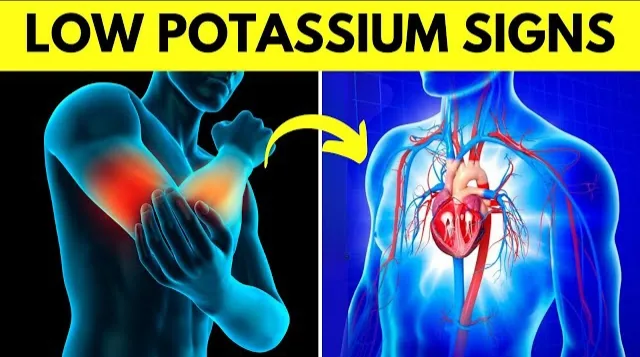
Potassium is an essential mineral that plays a crucial role in maintaining optimal health and well-being. It helps with fluid balance, muscle contraction, and nerve impulse transmission. Without enough potassium in our bodies, these functions can suffer, leading to various health issues. Unfortunately, many people may not realize they have low potassium levels until they experience severe symptoms. This article will discuss the seven most common signs of low potassium and how you can identify them.

Sign Of Low Potassium

1. Physical Weakness

The most noticeable sign of low potassium is physical weakness. If you feel like you should be able to perform certain tasks, such as lifting objects or climbing stairs, but find yourself struggling to do so, it could be a sign of low potassium. This weakness can also manifest as overall fatigue and lack of energy

2. Mental Fatigue and Irritability

Low potassium levels can also affect your mental well-being. If you find yourself feeling mentally fatigued, sluggish, or irritable for no apparent reason, it could be due to low potassium levels. The mineral plays a crucial role in proper nerve conduction, and without enough of it, your mental functioning can suffer.

3. Muscle Cramps, Twitches, and Spasms

Muscle cramps, twitches, and spasms are another common sign of low potassium. If you have ever experienced a leg cramp in the middle of the night or muscle twitches or spasms when you shouldn't be having them, it could be due to a lack of potassium. The mineral helps with muscle contraction, and when your levels are low, your muscles may not function properly.

4. Constipation and Bloating

Low potassium can also affect the smooth muscles in your intestines. If these muscles do not have enough potassium to function correctly, it can lead to constipation and bloating. These issues can be quite uncomfortable and can also indicate an imbalance in your potassium levels.

5. Palpitations or Arrhythmias

The heart is also a muscle, and it requires an adequate supply of potassium to function correctly. If your potassium levels are low, you may experience palpitations or arrhythmias, where your heart feels like it is beating abnormally or irregularly. If you experience these symptoms, it's crucial to see a doctor immediately, as low potassium levels can be dangerous for your heart health.

6. Edema or Fluid Retention

Another sign of low potassium is fluid retention or edema. This occurs when excess fluid builds up in your body, causing swelling in your ankles, fingers, and other parts of your body. Potassium helps balance fluid levels in the body, and when it's low, the excess fluid may not be eliminated properly.

7. Muscle Aches and Stiffness

Lastly, if you wake up feeling achy and stiff, especially in your hands and feet, it could be a sign of low potassium levels. This stiffness is different from muscle fatigue or weakness and can indicate that your muscles are not functioning optimally due to a lack of potassium.

Potassium supplements are the immediate choice for low level of potassium.

So how do we ensure we have enough potassium in our bodies? Consuming potassium-rich foods such as bananas, avocados, sweet potatoes, spinach, and fish can help. However, keep in mind that our bodies tightly regulate serum potassium levels. This means that even if your blood test results show normal levels, you could still be deficient in potassium. In such cases, taking electrolyte drops with potassium or incorporating healthy mineral-rich salts into your diet may be necessary. Don't ignore the symptoms of Low Pottasium

Conclusion

Understanding the signs of low potassium is essential for maintaining optimal health. If you experience any of the symptoms mentioned in this article, it's crucial to speak to your doctor to determine the cause. Don't overlook the importance of potassium in your overall health and well-being, and stay aware of any changes in your body that could indicate a deficiency. With proper attention and care, you can ensure your potassium levels are at their best, helping you live a healthier and happier life.
Image credits

  • Heading image: GeoMed

More Health articles

View all
What Science Says About Ignored Headaches and the Risk of Sudden Death Signs & symptoms

What Science Says About Ignored Headaches and the Risk of Sudden Death

Headaches are among the most common complaints in medicine, affecting nearly everyone at some point. Most people treat them as minor inconveniences, taking a painkiller and moving on. But in rare and alarming cases, headaches can be an early warning sign of life-threatening conditions. Some individuals experience recurring head pain, manage it with medication, feel better, and then shockingly suffer sudden medical collapse or death. What’s going on beneath the surface? Understanding the science behind serious headache causes can be life-saving.

4 min read
Types of Headaches by Location: Causes and How to Treat Them Signs & symptoms

Types of Headaches by Location: Causes and How to Treat Them

Headaches are among the most common health complaints, but they are not all created equal. While many people focus on how intense the pain is, where you feel the headache can often be just as important. The location of the pain in your head can give you valuable clues about the underlying cause whether it is stress, sinus issues, posture problems, or something more serious. Understanding this can help you treat the pain more effectively and avoid future episodes.

4 min read
6 Ear Symptoms That Could Be Warning You About Serious Health Problems Signs & symptoms

6 Ear Symptoms That Could Be Warning You About Serious Health Problems

Your ears are more than just tools for hearing. They can actually offer early clues about what's going on inside your body. From cardiovascular problems to infections, certain changes in your ears can act like silent alarms, warning you before bigger health issues develop. Ignoring these signs could mean missing out on early treatment and prevention. In this article, we’ll break down six ear-related factors you should never overlook and what they might mean for your overall health.

4 min read
The Silent Warning Signs Your Kidneys Are Struggling Before a Stone Forms Signs & symptoms

The Silent Warning Signs Your Kidneys Are Struggling Before a Stone Forms

Here's a shocking reality: 90% of kidney function can be lost before you even notice symptoms. That's not a type your kidneys can be silently failing while you go about your daily routine, completely unaware that a health crisis is brewing beneath the surface. Most of us only think about our kidneys when the excruciating pain of a kidney stone hits. But what if I told you that your body has been sending you subtle warning signals long before that first stone ever forms? As someone who has spent years studying kidney health and patient outcomes, I've witnessed countless cases where early intervention could have prevented significant complications. The truth is, kidney stones aren't just random events that strike without warning. They're often the end result of a cascade of kidney function changes that your body has been desperately trying to communicate through whisper-quiet symptoms. Today, I want to share the critical early warning signs that most people miss and the actionable steps you can take to protect your kidney health before it's too late.

6 min read