Medical emergency? Call your local emergency number
First aid guides

Menu

Doctors Won’t Admit This ,Your Pancreas Could Be Slowly Dying And You’d Never Know

Doctors Won’t Admit This ,Your Pancreas Could Be Slowly Dying And You’d Never Know Signs & symptoms 4 min read
Not yet medically reviewed. This page has not been checked by a qualified medical reviewer. Use it for general education only and confirm anything important with a healthcare professional. Written by GeoMed Editorial Team. Last updated 24 October 2026.

"By the time pancreatic cancer is found, it’s often too late." That’s straight from the American Cancer Society. Scary? Absolutely. But here's the twist this isn’t just about cancer. Your pancreas could be under daily attack right now. Not from some rare disease. But from what you eat. How you sleep. The stress you carry. Here’s the truth: Pancreatic damage often builds up quietly. No dramatic warning. No obvious red flags. Just slow, silent decline until the consequences hit hard. I’m not here to scare you. I’m here to show you exactly how to protect one of the most ignored yet essential organs in your body.

The Everyday Habits That Are Wrecking Your Pancreas

We don’t think about our pancreas much. That’s a problem. Because it works overtime producing insulin to balance your blood sugar and digestive enzymes to break down food. And we’re making its job harder. Every day.

Let’s start with the obvious culprit: sugar. If you drink soda, eat pastries, or grab white bread for lunch, your pancreas takes the hit. Why? Because sugar spikes your blood sugar. In response, your pancreas floods your system with insulin. Do that every day, and the organ gets exhausted. Over time, this can lead to About Insulin Resistance and Type 2 Diabetes

Alcohol is next. Even light or moderate drinking can trigger inflammation. This isn’t a one-time hangover situation. Chronic alcohol use can cause pancreatitis, where the organ starts digesting itself. And that damage is often irreversible. Alcoholic pancreatitis

Processed fats especially trans fats and excessive saturated fats don’t help either. They contribute to obesity and gallstone formation, both of which can choke your pancreas over time

Then there’s something most people never think about, inflammation. Low-grade, chronic inflammation from smoking, poor sleep, sedentary habits, and a diet full of junk food constantly wears down your pancreatic cells.

Subtle Symptoms You Might Be Ignoring

Most people don’t notice pancreatic trouble until it’s too far gone. That’s because the signs don’t scream. They whisper. So if you’re experiencing any of these regularly, your pancreas may already be struggling:

  • You’ve lost weight without trying

  • Your poop floats, looks oily, or smells especially foul

  • You feel bloated or gassy after eating

  • You’re tired right after meals or feel foggy-headed

  • You’re thirsty and peeing more often, even at night

6 Critical Symptoms of Pancreatic Cancer

None of these automatically mean “pancreatic failure”but they’re not nothing. They’re signals worth listening to.

Real Diseases Caused by a Weak Pancreas

We’re not talking theory. This is the medical reality. When your pancreas starts to fail, you’re at risk of:

  • Type 2 Diabetes: Caused by long-term insulin resistance

  • Chronic Pancreatitis Painful inflammation that damages tissues permanently

  • Pancreatic Insufficiency: Where your food isn’t digested properly, leading to nutrient deficiencies

  • Pancreatic Cancer The deadliest form of digestive cancer, often diagnosed late due to vague early symptoms

Effects of Pancreatitis and Type 2 Diabetes Mellitus on the Development of Pancreatic Cance
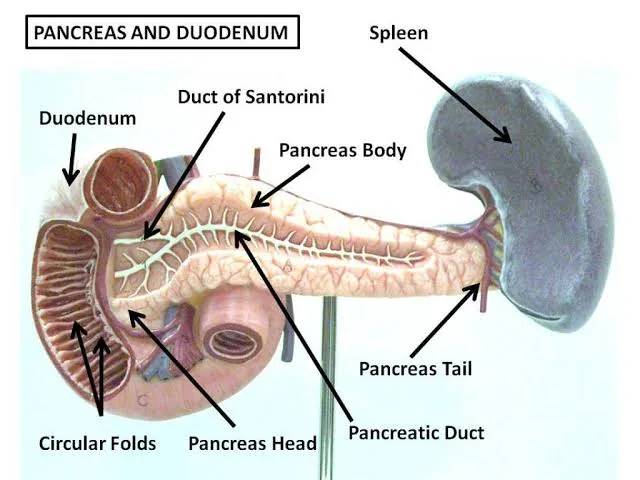
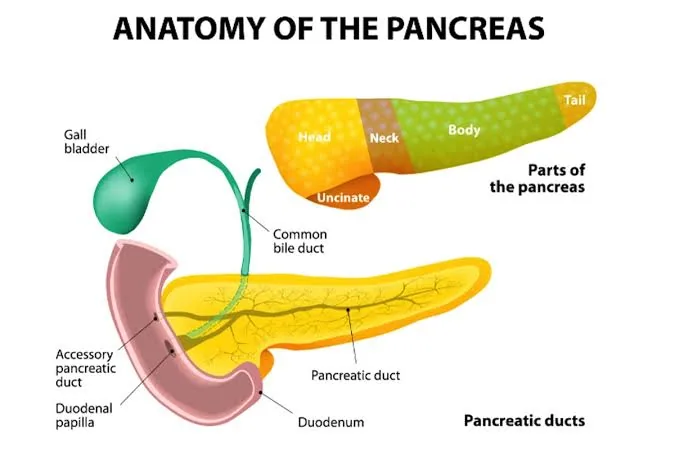
Doctors Won’t Admit This ,Your Pancreas Could Be Slowly Dying And You’d Never Know

How Stress and Sleep Quietly Sabotage Your Pancreas

Let’s get real: most of us are stressed and sleep-deprived. But that daily pressure affects more than your mood. It directly harms your pancreas.

Chronic stress floods your system with cortisol, a hormone that raises blood sugar. That forces your pancreas to crank out even more insulin. Sleep less than 6 hours regularly? You’re already pushing your body toward insulin resistance.

In fact, a study in Diabetes Care found that poor sleep can impair glucose metabolism almost as much as a poor diet. That’s no small thing.

What You Can Do Starting Today

Here’s the part that matters most. You don’t need a fancy diet or expensive supplements. You need consistency. Here’s what works:

  • Cut the sugar. Ditch sodas, pastries, sweetened cereals. Start with just one less sugary item a day.

  • Eat for balance. Load your plate with vegetables, healthy fats (like olive oil), and lean proteins. Think Mediterranean-style meals.

  • Move daily. A 30-minute brisk walk is enough to improve insulin sensitivity and reduce fat around the pancreas.

  • Hydrate. Water helps the pancreas secrete digestive enzymes more efficiently. Aim for 8+ glasses a day.

  • Sleep. Get 7 to 8 hours a night. No excuses. Your pancreas needs the break.

  • Limit or skip alcohol. Especially if you already have digestive issues.

Test your enzymes. Ask your doctor to check your amylase and lipase levels. Simple blood tests that can detect early dysfunction. Also ask for an HbA1c test it reveals how well your blood sugar is being managed over the last 3 months.

The Bottom Line: Listen Before It’s Too Late

Your pancreas won’t shout. It won’t give you obvious pain like a broken bone or toothache. But it will quietly fail if you ignore it.

The good news? You can turn things around. You can support it. Heal it. Protect it. And you can start now.
Image credits

  • Heading image: GeoMed

More Health articles

View all
Types of Headaches by Location: Causes and How to Treat Them Signs & symptoms

Types of Headaches by Location: Causes and How to Treat Them

Headaches are among the most common health complaints, but they are not all created equal. While many people focus on how intense the pain is, where you feel the headache can often be just as important. The location of the pain in your head can give you valuable clues about the underlying cause whether it is stress, sinus issues, posture problems, or something more serious. Understanding this can help you treat the pain more effectively and avoid future episodes.

4 min read
6 Ear Symptoms That Could Be Warning You About Serious Health Problems Signs & symptoms

6 Ear Symptoms That Could Be Warning You About Serious Health Problems

Your ears are more than just tools for hearing. They can actually offer early clues about what's going on inside your body. From cardiovascular problems to infections, certain changes in your ears can act like silent alarms, warning you before bigger health issues develop. Ignoring these signs could mean missing out on early treatment and prevention. In this article, we’ll break down six ear-related factors you should never overlook and what they might mean for your overall health.

4 min read
The Silent Warning Signs Your Kidneys Are Struggling Before a Stone Forms Signs & symptoms

The Silent Warning Signs Your Kidneys Are Struggling Before a Stone Forms

Here's a shocking reality: 90% of kidney function can be lost before you even notice symptoms. That's not a type your kidneys can be silently failing while you go about your daily routine, completely unaware that a health crisis is brewing beneath the surface. Most of us only think about our kidneys when the excruciating pain of a kidney stone hits. But what if I told you that your body has been sending you subtle warning signals long before that first stone ever forms? As someone who has spent years studying kidney health and patient outcomes, I've witnessed countless cases where early intervention could have prevented significant complications. The truth is, kidney stones aren't just random events that strike without warning. They're often the end result of a cascade of kidney function changes that your body has been desperately trying to communicate through whisper-quiet symptoms. Today, I want to share the critical early warning signs that most people miss and the actionable steps you can take to protect your kidney health before it's too late.

6 min read
The Pain That Feels Like Fire Starting Deep in Your Lower Back Could Be Kidney Stones Signs & symptoms

The Pain That Feels Like Fire Starting Deep in Your Lower Back Could Be Kidney Stones

One in eight people will experience a kidney stone at some point in their lives and those who've had one describe it as pain so intense it rivals childbirth. I'm not exaggerating. This isn't your typical backache or muscle strain. We're talking about a sensation that feels like someone is driving a hot poker through your side while twisting it. Hard. And the worst part? That excruciating pain might be just the beginning of your journey with kidney stones. Let me tell you something important: if you're reading this because you've felt that distinctive, radiating pain from your back to your groin, you're not alone. Recent research shows that the lifetime prevalence of renal colic That's the medical term for kidney stone pain affects a staggering 43% of adults at some point. Yes, you read that right. Nearly half of us will experience these symptoms! Nature

5 min read