1. Persistent Cold Feet: Beyond a Winter Chill
We've all experienced cold feet from time to time. Perhaps the office air conditioning is too strong, or you've been sitting still for hours. However, when coldness becomes chronic, especially if it’s accompanied by numbness, a tingling sensation, or noticeable skin discoloration, the implications can be significant. This isn't merely discomfort; it’s a potential cry for help from your circulatory system. Actionable Insight: necessitate immediate investigation for:Evaluate the consistency of the coldness. Is it localized to the feet, or do your hands also feel unusually cold? Assess for pallor or a bluish tint (cyanosis) in the toes. Test capillary refill time by pressing firmly on a toenail until it blanches, then release; color should return within two seconds. A delayed return or other associated symptoms like cramping in the calves during walking (claudication)
- Peripheral Artery Disease (PAD): This is a critical concern. Narrowed arteries restrict vital blood flow to your extremities. Undetected PAD significantly elevates the risk of cardiovascular events like heart attack and stroke. It can lead to tissue damage, even amputation, if left unaddressed. Peripheral artery disease (PAD)
- Raynaud's Phenomenon: While often benign, severe forms involve spasms of small arteries, severely limiting blood flow. It warrants a physician's assessment to rule out underlying autoimmune conditions.
- Hypothyroidism: An underactive thyroid gland slows metabolic processes, frequently resulting in a persistent feeling of coldness, notably in the extremities. It's easily managed once diagnosed. Hypothyroidism
2. Unexplained Swelling (Edema): A Fluid Situation
Mild foot swelling after an extended period of standing is common. It’s physiological. However, when swelling becomes persistent, significant, or appears symmetrically in both feet without an obvious cause like injury, it’s a symptom demanding a deeper look. This isn't just cosmetic; it indicates a systemic imbalance. Actionable Insight: Observe the nature of the swelling. Is it pitting edema (where an indentation remains after pressure)? Does it improve with elevation? Is it unilateral or bilateral? Consider the time of day it’s most pronounced. A sudden onset, especially unilateral, demands emergency evaluation. Persistent bilateral edema can signal:
- Congestive Heart Failure (CHF): The heart’s reduced pumping efficiency leads to fluid accumulation, particularly in the lower extremities, due to gravity. This is a progressive condition requiring careful management. Heart Failure
- Kidney Disease: Impaired renal function means the kidneys struggle to excrete excess fluid and sodium, leading to generalized fluid retention.
- Liver Disease: A compromised liver may fail to produce sufficient albumin, a protein that helps keep fluid within blood vessels. Low albumin allows fluid to leak into tissues.
- Deep Vein Thrombosis (DVT): While often unilateral and painful, a DVT, a blood clot in a deep vein, is a medical emergency. It presents as sudden, painful swelling, often with warmth and redness in one leg and foot.
3. Numbness or Tingling (Neuropathy): A Muted Message from Your Nerves
That fleeting "pins and needles" sensation from sitting cross-legged for too long? Normal. But if numbness, a burning sensation, or persistent tingling becomes a regular feature in your feet, it signals potential nerve damage neuropathy. This is a direct communication from your nervous system indicating distress. Actionable Insight: Document the pattern of the sensation. Is it symmetrical? Does it affect specific areas? Is there associated weakness or difficulty with balance? A detailed neurological examination is crucial. Potential causes include:
- Diabetes: Chronically elevated blood sugar levels are notoriously damaging to peripheral nerves, often starting in the feet. Diabetic neuropathy is a significant cause of foot complications. Regular foot checks are non-negotiable for diabetics. Diabetic Neuropathy
- Vitamin Deficiencies: Notably, deficiencies in B vitamins (especially B12) can impair nerve function. This is often correctable with supplementation.
- Alcoholic Neuropathy: Chronic, excessive alcohol consumption is neurotoxic and can lead to widespread nerve damage.
- Nerve Entrapment Syndromes: Conditions like tarsal tunnel syndrome, where a nerve in the ankle is compressed, can cause localized numbness and pain.
4. Skin, Hair, or Nail Changes: Visual Cues of Deeper Issues
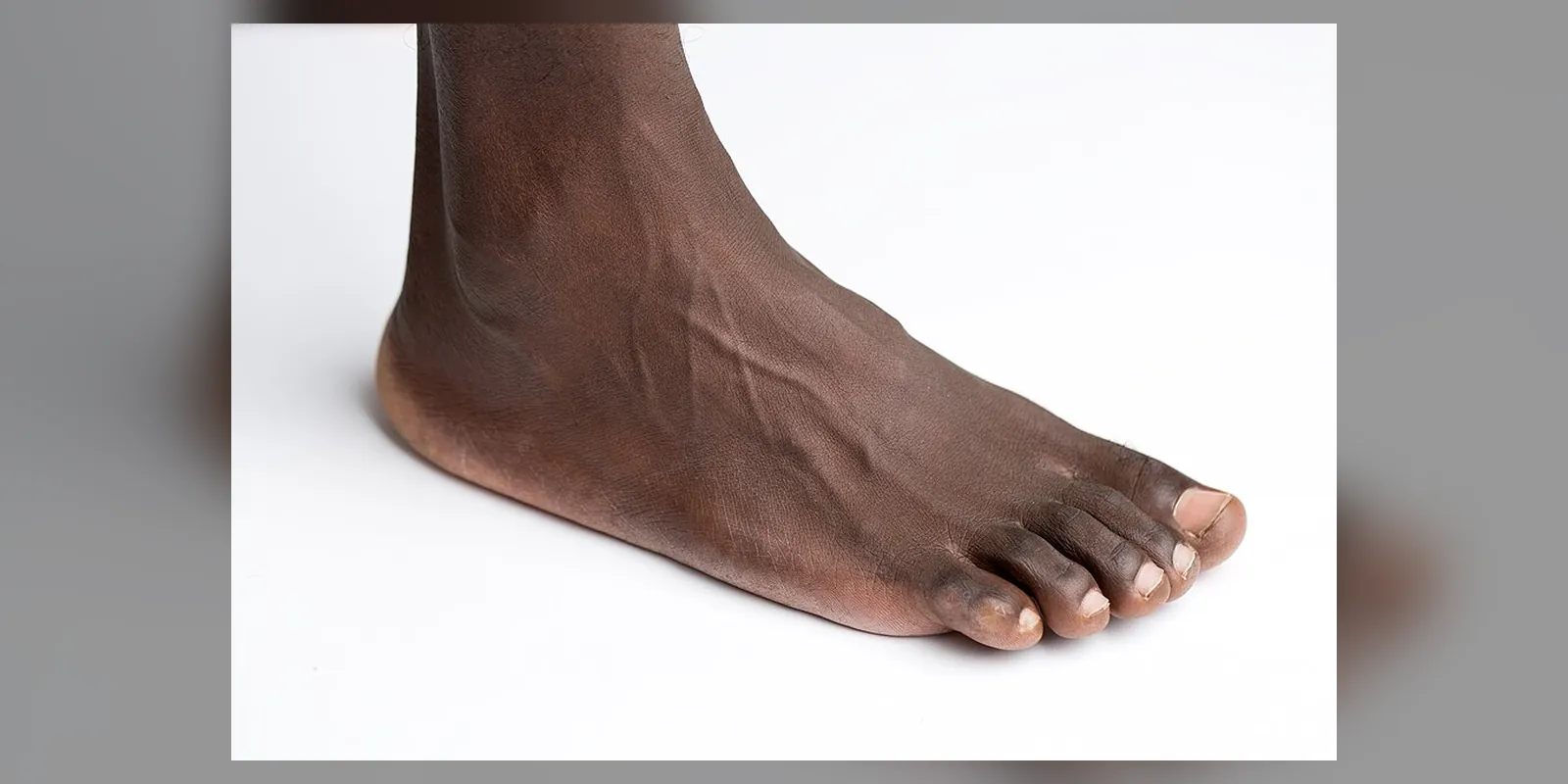
Your feet’s external appearance offers a direct window into internal systemic health, particularly circulatory and metabolic status. Don’t dismiss subtle alterations. Actionable Insight: Regularly inspect your feet. Look for:
- Hair Loss on Toes or Dorsal Foot: A classic sign of reduced arterial blood flow. When follicles don't receive adequate nutrients and oxygen, hair growth diminishes or ceases. This is a hallmark symptom of PAD.
- Shiny, Thin, or Atrophied Skin: Poor circulation can make the skin appear taut, glossy, and pale or even a bluish-purple hue. This indicates a lack of perfusion.
- Brittle, Thickened, or Discolored Toenails (Non-Fungal): While fungal infections are common, consider the possibility of poor circulation if the nails are unusually thick, discolored (e.g., yellowish, dark), and brittle, especially if accompanied by other circulatory signs. This can indicate a lack of nutrient supply to the nail bed.
- Slow-Healing Sores or Wounds: Even minor cuts, scrapes, or blisters that take an unusually long time to heal or fail to heal at all are critical red flags. For individuals with diabetes or PAD, this signifies severely compromised blood supply and a high risk of infection and further tissue damage. This is a medical emergency.
5. Persistent Joint Pain and Stiffness: Beyond the Daily Grind
Occasional foot aches from overuse are common. But persistent, localized joint pain, stiffness, or swelling in the feet, especially if it's symmetrical or worsens over time, suggests more than just wear and tear. Key Signs to Watch For Actionable Insight: Note the specific joints affected, the pattern of pain (morning stiffness, pain with activity), and any accompanying redness or warmth. This warrants an evaluation for:
- Arthritis (Osteoarthritis, Rheumatoid Arthritis, Gout, Psoriatic Arthritis): The small joints of the feet are common targets for various forms of arthritis. Gout, for instance, famously begins with excruciating pain, swelling, and redness in the big toe. Rheumatoid arthritis often presents with symmetrical inflammation in the forefoot.
- Systemic Lupus Erythematosus (SLE): This autoimmune disease can cause widespread joint pain and inflammation, including within the intricate joints of the feet.
6. Frequent Foot Cramps: A Deeper Message from Your Muscles
While an occasional foot cramp might be due to dehydration or muscle fatigue after intense exercise, frequent, intense, or debilitating cramps, particularly occurring at rest, can indicate underlying physiological issues. This isn't merely muscle "spasms"; it's a metabolic or circulatory alarm. Actionable Insight: Consider the timing and duration of the cramps. Are they relieved by stretching or massage? Does hydration help? Frequent cramps may signal:
- Electrolyte Imbalance or Dehydration: Deficiencies in essential minerals like potassium, magnesium, or calcium, often linked to inadequate fluid intake, can lead to increased muscle excitability.
- Poor Circulation: Insufficient blood flow can deprive muscle tissue of vital oxygen and nutrients, leading to ischemic cramps.
- Nerve Compression: A pinched nerve or neurological conditions can manifest as recurrent, painful muscle spasms.
7. Changes in Foot Shape or Structure: A Gradual but Grave Transformation
Our feet change over a lifetime, but rapid or significant alterations in their physical structure or alignment should never be dismissed. These can be gradual but profound indicators of progressive systemic conditions. Actionable Insight: Compare your current foot structure to older photographs or simply observe for new developments:
- Rapid Worsening of Hammertoes or Bunions: While often genetically predisposed or exacerbated by footwear, a sudden, rapid progression of these deformities could indicate underlying inflammatory arthropathies affecting joint integrity.
- Charcot Foot (Diabetic Neuroarthropathy): This is a devastating complication of severe diabetic neuropathy. Due to profound nerve damage, the bones in the foot weaken, fracture, and collapse, leading to a visibly deformed "rocker-bottom" appearance. It's painless due to nerve damage, making it especially dangerous. Charcot Foot This is a medical emergency requiring immediate attention to prevent further destruction and potential amputation.
A Final, Urgent Word
Your feet are remarkably sophisticated barometers of your internal health. They constantly communicate. Ignoring these subtle yet powerful warnings is a serious oversight. For professionals and individuals alike, recognizing these seven signs isn't just about foot health; it's about potentially identifying and addressing critical systemic illnesses early. Pay attention to your feet. They are indeed your unsung sentinels. Their messages are invaluable. Act on them.