Medical emergency? Call your local emergency number
First aid guides

Menu

Appendix Pain Location How to Know If It Is Appendicitis

Appendix Pain Location How to Know If It Is Appendicitis Signs & symptoms 3 min read
Not yet medically reviewed. This page has not been checked by a qualified medical reviewer. Use it for general education only and confirm anything important with a healthcare professional. Written by GeoMed Editorial Team. Last updated 24 October 2026.

Appendicitis sends hundreds of thousands of people to emergency surgery every year, and almost all of them have one thing in common. The pain started quietly. It did not feel dangerous at first. Just a stomach ache. Easy to ignore. But appendix pain has a pattern. A specific location. A predictable progression. When you understand where the pain begins and where it moves, you can recognize appendicitis early and seek treatment before complications develop.

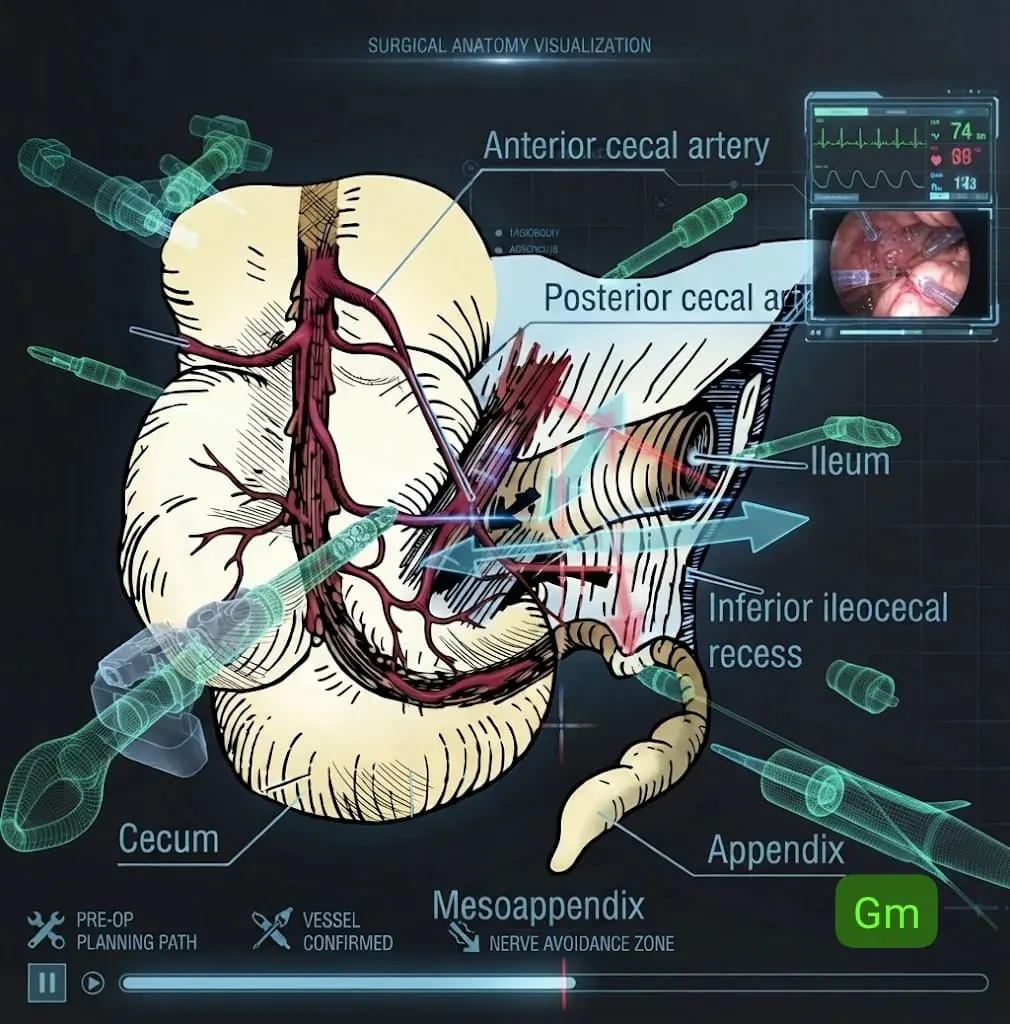
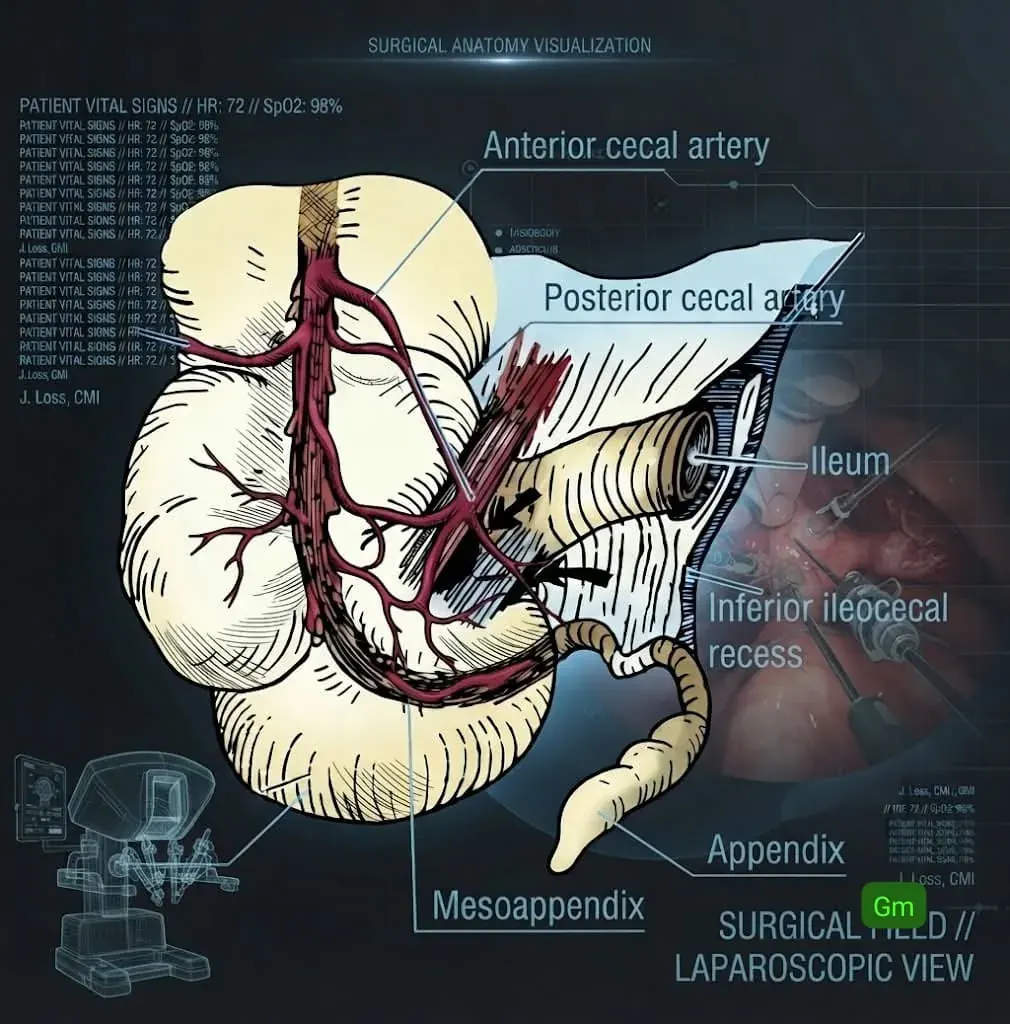
The appendix is located in the lower right abdomen

The appendix sits in the lower right side of your abdomen, attached to the large intestine. This location is critical. When the appendix becomes inflamed, the strongest pain usually settles in this area. Clinically, this point is often called the right lower quadrant. Pain here should never be ignored, especially if it becomes sharp and persistent.

Appendix pain often starts near the belly button

One of the most confusing features of appendicitis is how the pain begins. It usually starts near the belly button. The pain feels dull. Poorly localized. Many people think it is gas or indigestion. This early stage can last several hours. Then the pain moves. This movement is a key warning sign that doctors look for during diagnosis.

The pain shifts to the lower right side

As inflammation worsens, the pain moves downward and to the right. It becomes sharper. More focused. Easier to point to with one finger. This shift usually happens within 12 to 24 hours. Once the pain settles in the lower right abdomen, it becomes constant. Movement makes it worse. Walking hurts. Standing upright hurts. This stage strongly suggests appendicitis.

Pressing the area makes the pain worse

Appendix pain becomes more sensitive with touch. Pressing the lower right abdomen causes pain. Releasing pressure may cause even more pain. This is an important clinical sign. It shows the lining of the abdomen is becoming irritated. This stage requires urgent medical evaluation.

Other symptoms help confirm appendicitis

Pain location alone is not the only clue. Other symptoms often appear together. Loss of appetite is very common. Nausea may follow. Vomiting may occur. Fever usually develops as the body fights infection. Weakness and general discomfort increase. When these symptoms appear with lower right abdominal pain, appendicitis becomes very likely.
Appendix Pain Location How to Know If It Is Appendicitis

Movement and coughing increase the pain

Appendix pain reacts to movement. Simple actions like walking or coughing increase discomfort. This happens because movement stretches inflamed tissues. Many patients prefer lying still to avoid triggering pain. This behavior is a useful observation. Pain that worsens with movement is a serious warning sign.

When appendix pain becomes an emergency

If appendicitis is not treated, the appendix can rupture. This releases infection into the abdomen. This condition becomes life threatening. Severe pain, high fever, and worsening symptoms indicate emergency. Immediate hospital care is necessary to prevent complications.

What you should do immediately

If you notice pain moving from the belly button to the lower right abdomen, seek medical care immediately. Do not ignore it. Do not self treat. Avoid taking strong painkillers before diagnosis because they can hide important symptoms. Early medical evaluation allows safe and effective treatment.

Read more: Appendectomy: Everything You Need to Know Before, During, and After Surgery

Treatment and recovery

Appendicitis is usually treated with surgery called appendectomy. This procedure removes the inflamed appendix. It is safe and common. Most patients recover quickly. Hospital stay is usually short. Normal activities return within weeks. Early treatment makes recovery faster and safer.

Conclusion

Appendix pain follows a clear pattern. It starts near the belly button. Then moves to the lower right abdomen. It becomes sharp. Constant. And serious. Recognizing this location and progression helps you act early. Early treatment prevents complications and protects your health. Never ignore persistent pain in the lower right abdomen.
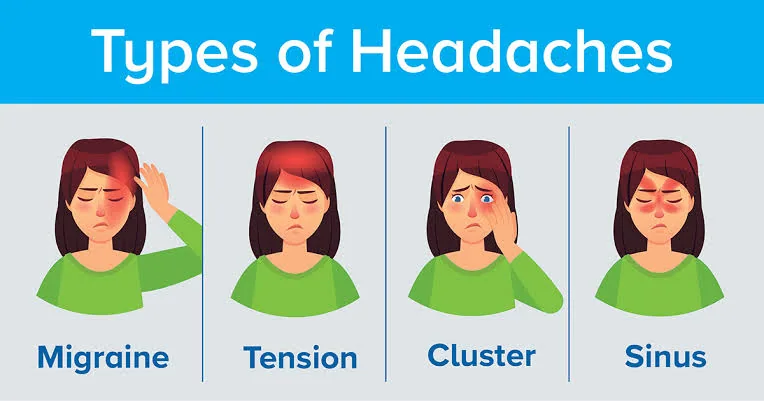
Image credits

  • Heading image: GeoMed

More Health articles

View all
Types of Headaches by Location: Causes and How to Treat Them Signs & symptoms

Types of Headaches by Location: Causes and How to Treat Them

Headaches are among the most common health complaints, but they are not all created equal. While many people focus on how intense the pain is, where you feel the headache can often be just as important. The location of the pain in your head can give you valuable clues about the underlying cause whether it is stress, sinus issues, posture problems, or something more serious. Understanding this can help you treat the pain more effectively and avoid future episodes.

4 min read
6 Ear Symptoms That Could Be Warning You About Serious Health Problems Signs & symptoms

6 Ear Symptoms That Could Be Warning You About Serious Health Problems

Your ears are more than just tools for hearing. They can actually offer early clues about what's going on inside your body. From cardiovascular problems to infections, certain changes in your ears can act like silent alarms, warning you before bigger health issues develop. Ignoring these signs could mean missing out on early treatment and prevention. In this article, we’ll break down six ear-related factors you should never overlook and what they might mean for your overall health.

4 min read
The Silent Warning Signs Your Kidneys Are Struggling Before a Stone Forms Signs & symptoms

The Silent Warning Signs Your Kidneys Are Struggling Before a Stone Forms

Here's a shocking reality: 90% of kidney function can be lost before you even notice symptoms. That's not a type your kidneys can be silently failing while you go about your daily routine, completely unaware that a health crisis is brewing beneath the surface. Most of us only think about our kidneys when the excruciating pain of a kidney stone hits. But what if I told you that your body has been sending you subtle warning signals long before that first stone ever forms? As someone who has spent years studying kidney health and patient outcomes, I've witnessed countless cases where early intervention could have prevented significant complications. The truth is, kidney stones aren't just random events that strike without warning. They're often the end result of a cascade of kidney function changes that your body has been desperately trying to communicate through whisper-quiet symptoms. Today, I want to share the critical early warning signs that most people miss and the actionable steps you can take to protect your kidney health before it's too late.

6 min read
The Pain That Feels Like Fire Starting Deep in Your Lower Back Could Be Kidney Stones Signs & symptoms

The Pain That Feels Like Fire Starting Deep in Your Lower Back Could Be Kidney Stones

One in eight people will experience a kidney stone at some point in their lives and those who've had one describe it as pain so intense it rivals childbirth. I'm not exaggerating. This isn't your typical backache or muscle strain. We're talking about a sensation that feels like someone is driving a hot poker through your side while twisting it. Hard. And the worst part? That excruciating pain might be just the beginning of your journey with kidney stones. Let me tell you something important: if you're reading this because you've felt that distinctive, radiating pain from your back to your groin, you're not alone. Recent research shows that the lifetime prevalence of renal colic That's the medical term for kidney stone pain affects a staggering 43% of adults at some point. Yes, you read that right. Nearly half of us will experience these symptoms! Nature

5 min read