Why This Update Matters
Hypertension isn’t just a number on a chart it’s the leading preventable driver of stroke, heart attack, kidney failure, and even dementia. The updated guidelines are less about redefining numbers and more about reframing how we act on them. That shift is subtle but powerful: clinicians are encouraged to move faster, patients are pushed to measure smarter, and everyone is reminded that blood pressure control is a lifelong investment, not a one-time fix.
The Numbers Didn’t Change But the Approach Did
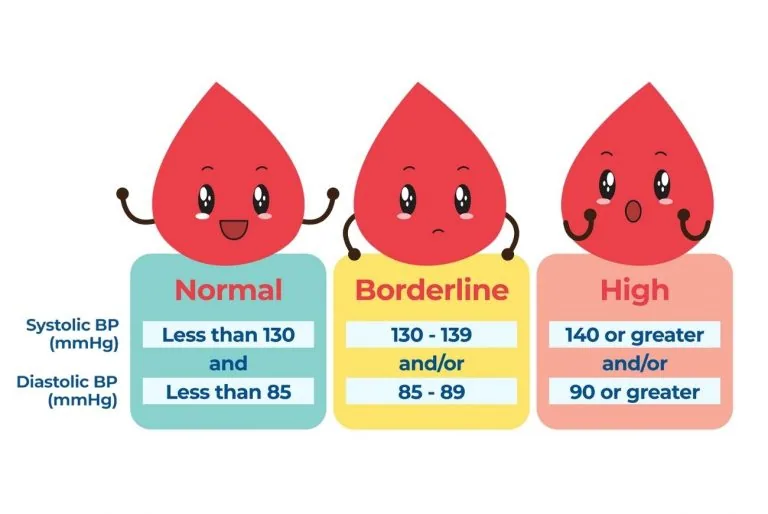
Let’s clear this up first. The thresholds from 2017 still stand:
-
Normal: <120/80 mmHg
-
Elevated: 120–129/<80 mmHg
-
Stage 1: 130–139/80–89 mmHg
-
Stage 2: ≥140/90 mmHg
No surprises there. But here’s the catch: how we act at each stage is where the update flexes its muscle. No more “wait and see” for too long. If you’ve got risk factors like diabetes, kidney disease, or high calculated cardiovascular risk the guidelines push for earlier treatment, sometimes with medication right from Stage 1.
Risk Over Rigid Numbers: The PREVENT Calculator
Here’s a big shift. Instead of focusing only on the BP reading, clinicians are urged to weigh overall cardiovascular risk using the PREVENT calculator, a new tool that estimates both 10-year and 30-year risk. What’s exciting here is that two people with identical numbers may get very PREVENT different recommendations. A 35-year-old with Stage 1 hypertension and no other risks might start with lifestyle changes only. A 55-year-old with the same numbers but a high risk score? Likely medication. This risk-based approach personalizes care and targets treatment where it counts most.
Lifestyle Still Leads But With Concrete Targets
We’ve heard it before: diet, exercise, salt reduction, weight loss. But this time the guideline is crystal clear with measurable goals. Cut sodium to less than 2,300 mg a day (ideally closer to 1,500 mg). Lose at least 5% of your body weight if you’re overweight that alone can slash your systolic BP by 5 to 10 points. Aim for 150 minutes of moderate exercise weekly, whether that’s brisk walking, cycling, or swimming.
And here’s the kicker: if these changes don’t move the needle within a few months, medication enters the picture sooner rather than later. No dragging things out indefinitely.
Home Blood Pressure Monitoring: Non-Negotiable
The guideline now places home and ambulatory monitoring at the core of diagnosis and management. Why? Because office readings alone are misleading. White-coat hypertension (high in the clinic, normal at home) and masked hypertension (normal in the clinic, high at home) can lead to under- or overtreatment.

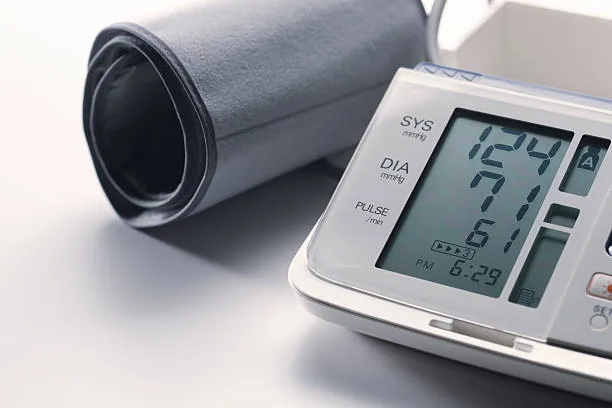
If you’re a patient, this means investing in a validated home BP monitor. Check twice daily morning and evening for a week, then bring that log to your doctor. If you’re a clinician, train staff to measure properly, use correct cuff sizes, and confirm diagnoses with out-of-office data. This single change can dramatically improve control rates.
Protecting Kidneys and Brains
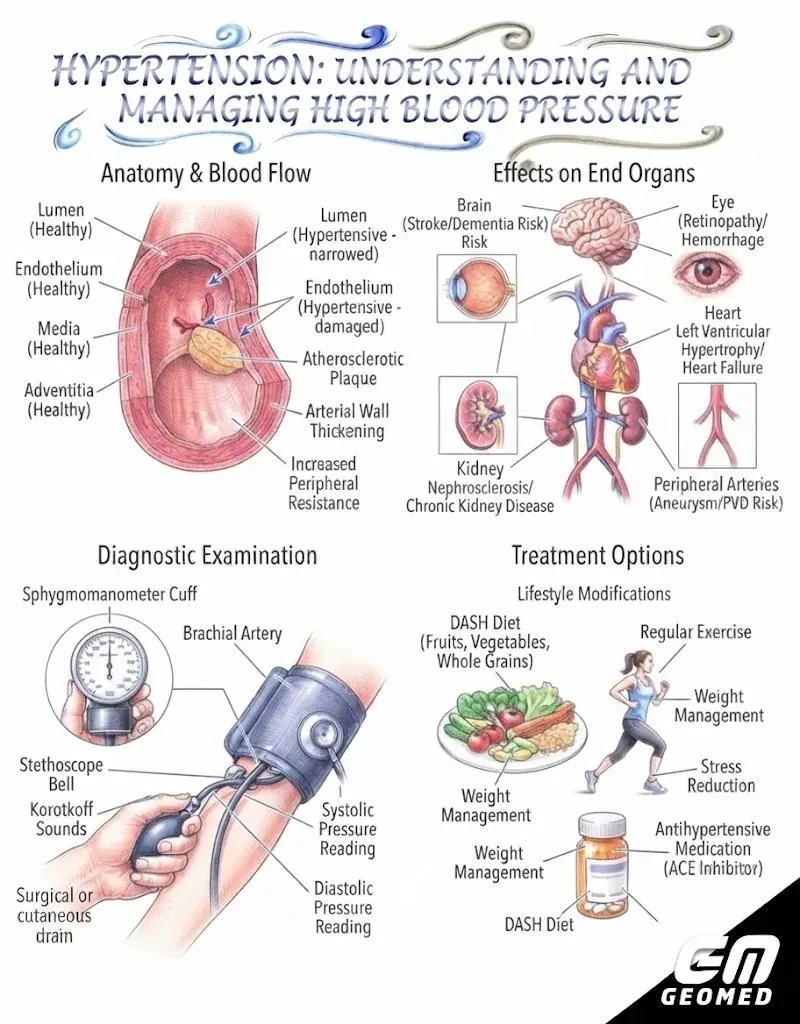
This is where the update feels different. It doesn’t just talk about avoiding heart attacks. It explicitly links hypertension control to preserving kidney function and preventing dementia. That’s a game-changer.
The guideline calls for broader use of urine albumin-to-creatinine ratio testing to spot early kidney damage and highlights blood pressure control as one of the few proven levers to slow cognitive decline. It reframes BP management as not just cardiac protection but whole-body, lifelong protection.
Special Focus: Pregnancy and Postpartum
Hypertension during pregnancy isn’t rare, and it’s deadly serious. The new guideline spells out clearer treatment thresholds during pregnancy and stresses postpartum monitoring, when risks remain high. This means more consistent follow-up, tighter BP control during pregnancy, and better long-term risk counseling for women who develop hypertension in this period.
Read: The New 2025 Hypertension guidelines
Equity, Access, and Real-World Solutions
The guideline doesn’t shy away from uncomfortable truths: hypertension control is worse in underserved populations. So it doubles down on team-based care, community outreach, and culturally tailored programs. For patients, that could mean access to pharmacists, nurses, and community health workers as part of their care team. For systems, it means addressing cost barriers to home monitoring devices and medications.
Action Points for Clinicians
-
Confirm high readings with home or ambulatory monitoring.
-
Use the PREVENT risk calculator before starting meds in Stage 1 cases.
-
Define a clear trial period for lifestyle change (often 3–6 months) before escalating treatment.
-
Screen for albuminuria and secondary causes when indicated.
-
Integrate pregnancy and cognitive health into hypertension counseling.
Read also: How Blood Pressure Monitors Work
Action Points for Patients
-
Measure at home. Buy a validated BP monitor and log readings.
-
Know your numbers and your risk score. Ask your clinician about it.
-
Make changes with targets: cut salt, move more, shed 5% of your body weight if needed.
-
Stick with the plan! If lifestyle alone doesn’t lower your numbers, don’t fear medication it’s prevention, not punishment.
In conclusion
The 2025 AHA hypertension guideline doesn’t rewrite the rulebook it sharpens it. Same numbers, new urgency. Same lifestyle advice, but with firmer targets. Same medications, but with smarter, risk-based decisions. And a fresh recognition that controlling blood pressure today preserves not just hearts, but kidneys, brains, and quality of life tomorrow.
Hypertension control is prevention in its purest form. Don’t wait for the damage to show up get ahead of it!