When Medical Dogma Meets Scientific Reality
For generations, medical textbooks have preached the gospel of fiber and blamed hard stools for hemorrhoid development. The theory seemed logical: strain to pass hard stool, increase abdominal pressure, and voilà hemorrhoids appear! But here's where it gets interesting. A landmark case-control study published in the American Journal of Gastroenterology turned this assumption upside down, concluding that "diarrhea but not constipation may represent a risk factor for the development of hemorrhoids"
The research didn't stop there. Multiple studies have now confirmed that hemorrhoids and constipation have completely different epidemiologic features different age patterns, sex distributions, and socioeconomic factors. This discovery has sent shockwaves through the medical community and forced us to completely rethink our understanding of how hemorrhoids actually develop PMC - Rethinking What We Know About Hemorrhoids.
The Silent Sliding Process That Changes Everything
While we've been focused on the wrong bowel habit, hemorrhoids have been quietly advancing through a sinister four-stage progression that most people never notice until it's too late. The real culprit isn't what comes out it's what happens to the delicate vascular cushions that line your anal canal during the process.
Read also: The Hidden Signs Of Hemorrhoids That Most People Fail To Notice
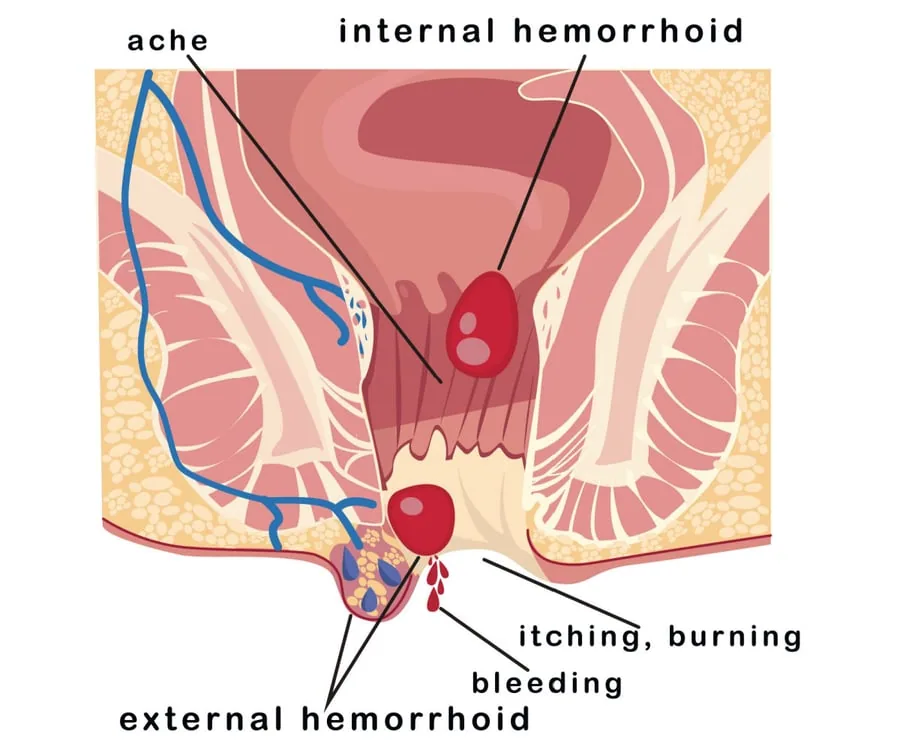
Internal hemorrhoids progress through what medical researchers call the "sliding anal canal theory." This isn't about varicose veins, as many believe it's about the gradual deterioration of the muscular and connective tissue structures that normally keep your anal cushions in place PMC - Pathophysiology of Internal Hemorrhoids.
Grade 1: The Silent Beginning. Your hemorrhoids start bleeding internally, but you can't see or feel them. They remain above the dentate line, quietly enlarging as the supporting tissue begins to weaken. Most people dismiss the occasional bright red blood on toilet paper as "probably nothing serious."
Grade 2: The Warning Shot. Hemorrhoids now prolapse during bowel movements but snap back inside automatically. You might feel a brief sensation of something "slipping out" but chalk it up to imagination. This is your body's last gentle warning before things get serious.
Grade 3: The Manual Override. Hemorrhoids prolapse and require manual pushing back inside. The supporting muscle structure called Treitz's muscle has now significantly deteriorated. You're officially dealing with advanced hemorrhoidal disease.
Grade 4: The Point of No Return. Hemorrhoids remain permanently prolapsed outside the anus. The structural damage is now so extensive that surgery becomes the primary treatment option.
The Straining Paradox That Fooled Medicine
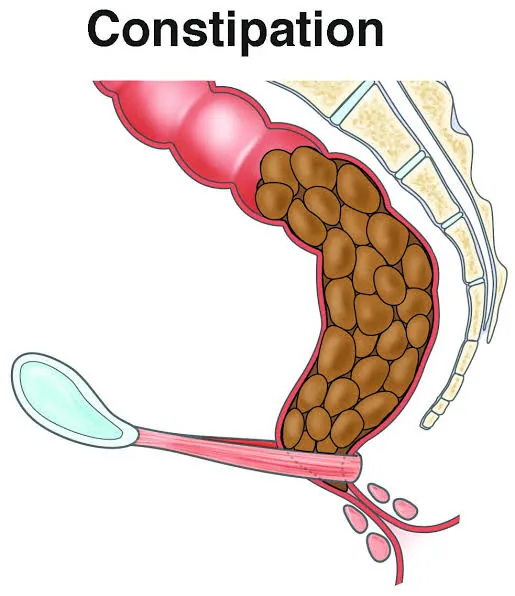
Here's where the constipation connection gets truly fascinating and controversial. While straining during bowel movements does increase abdominal pressure and can worsen existing hemorrhoids, the mechanism is far more complex than we originally thought.
Research shows that both constipation and diarrhea create problematic pressure patterns, but through entirely different mechanisms Vitrobio. Hard stools apply direct mechanical force to anal cushions during passage, while frequent, loose stools create chronic inflammation and repetitive pressure cycles that damage the delicate vascular structures.
But here's the real kicker: the "increased intraabdominal pressure" theory that has dominated medical thinking for decades may be secondary to the real problem the breakdown of the specialized tissue that normally supports your anal cushions.
The Treitz Muscle: Your Body's Hidden Hemorrhoid Defense
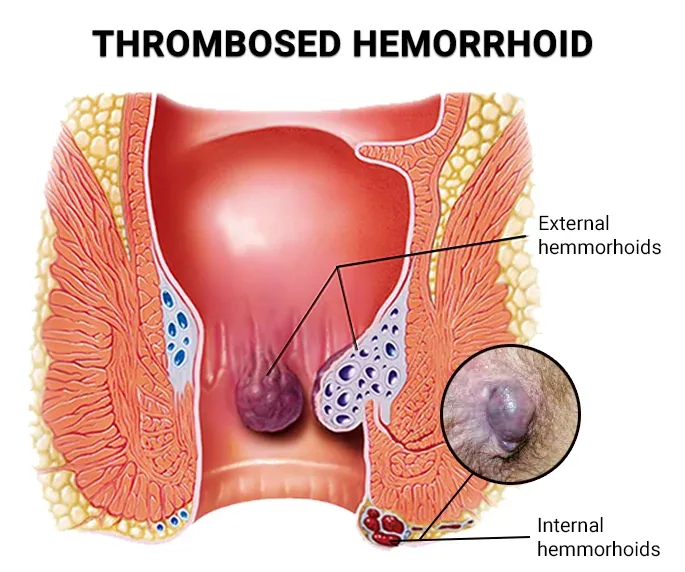
Most people have never heard of Treitz's muscle, yet this tiny structure is arguably the most important factor in hemorrhoid prevention. This specialized muscle consists of two parts: the anal submucosal muscle and the mucosal suspensory ligament (also called Parks ligament). Together, they act like tiny cables and anchors, keeping your anal cushions firmly attached where they belong (PMC: Pathophysiology of Internal Hemorrhoids).
When Treitz's muscle deteriorates, whether from aging, genetics, or repetitive stress, your anal cushions lose their structural support and begin the sliding process that defines hemorrhoidal disease. This deterioration happens silently over months or years, explaining why many people suddenly notice hemorrhoid symptoms seemingly "out of nowhere."
The process becomes self-perpetuating through what researchers call "vicious cycles." As cushions slide down and become trapped by the anal sphincter, they swell further, creating more pressure that accelerates the breakdown of remaining support structures. It's a cascading failure that, once started, tends to worsen without intervention.
The Inflammation Connection We've Been Missing
Recent research has revealed that chronic inflammation plays a central role in hemorrhoid development regardless of whether you're constipated or have diarrhea. When hemorrhoidal tissue becomes inflamed, it produces increased levels of matrix metalloproteinases (MMPs), enzymes that break down the collagen and elastic fibers crucial for structural support PMC - Pathophysiology of Internal Hemorrhoids.
This discovery explains why people with inflammatory bowel conditions, food sensitivities, or chronic digestive irritation are at higher risk for hemorrhoids, even if they don't have classical constipation. The inflammation itself damages the support structures faster than the body can repair them.
Read also: Powerful Prevention Tips That Stop Hemorrhoids From Developing Again
Actionable Insights That Actually Work
Understanding the true mechanisms behind hemorrhoid development changes everything about prevention and early intervention. Instead of focusing solely on fiber intake and stool softening, we need a more comprehensive approach:
Target the Real Culprits. Address chronic inflammation through anti-inflammatory foods, stress reduction, and identifying food triggers that may be causing digestive irritation. Sometimes the problem isn't what you're not eating.it's what you are eating that's creating inflammation.
Support Your Treitz Muscle. Pelvic floor exercises, proper toileting posture (consider a squatting position or footstool), and avoiding prolonged sitting on the toilet all help preserve the structural integrity of your anal support muscles.
Rethink Your Bathroom Habits. Don't automatically blame constipation if you develop hemorrhoids. Diarrhea, frequent loose stools, or even "normal" bowel movements accompanied by excessive wiping or cleaning can damage delicate tissues over time.
Monitor the Silent Progression. Watch for subtle signs like occasional bright red blood, a feeling of incomplete evacuation, or brief sensations of tissue "slipping" during bowel movements. These early warning signs offer the best opportunity for conservative treatment.
The relationship between constipation and hemorrhoids isn't as straightforward as we once believed. While straining with hard stools can certainly worsen existing hemorrhoids, the real story involves tissue breakdown, inflammation, and structural deterioration that often happens silently over years. By understanding these mechanisms, we can move beyond the old "eat more fiber" advice to develop more effective strategies for prevention and early intervention.
The next time someone tells you that hemorrhoids are simply caused by constipation, you'll know the full and far more fascinating story behind one of medicine's most persistent misconceptions.