Your Body is Begging for Vitamin B12:
1. Fatigue and Weakness
Feeling constantly exhausted and drained, despite getting enough sleep? It might not just be from being overworked or stressed. One of the earliest and most common signs of a vitamin B12 deficiency is persistent fatigue and weakness. This happens because our bodies rely on B12 to produce red blood cells, which carry oxygen to our organs. Without enough B12, our bodies can't produce enough healthy red blood cells, resulting in less oxygen reaching our muscles and tissues. This can make us feel tired, sluggish, physically weak, and mentally foggy, even after a good night's rest.
2. Mood Changes and Depression
Did you know that our moods and mental well-being are closely connected to our vitamin B12 levels? A chronic deficiency in this vital vitamin can cause unexpected mood swings, anxiety, or even feelings of depression. This is because B12 plays a key role in producing brain chemicals like serotonin, also known as the "feel-good" chemical. When our B12 levels drop, our body's ability to produce serotonin slows down, making us feel more anxious, irritable, or down than usual.
3. Pale or Yellowish Skin
Our skin can tell us a lot about our health, and one noticeable sign of a vitamin B12 deficiency is pale or yellowish skin. This happens because when our bodies don't have enough B12, our red blood cells break down too quickly, releasing a yellowish pigment called bilirubin into our system. This is the same pigment that causes jaundice, the yellowish skin often seen in newborns or people with liver issues.

4. Glossitis and Mouth Pain
Glossitis may sound like a complicated medical term, but it simply means an inflamed, swollen, and red tongue. It's one of the more visible signs of a vitamin B12 deficiency, as our tongues usually look smooth, pink, and dotted with tiny bumps called papillae. When our bodies don't get enough B12, it disrupts red blood cell production, leading to tongue inflammation. This can make our tongues look unusually red and swollen or even oddly smooth and shiny. Additionally, a deficiency can also cause mouth ulcers, those small but painful sores that can appear inside our cheeks, lips, or under our tongue.
5. Tingling and Numbness in Hands or Feet
That pins-and-needles sensation in your hands or feet might be more than just an annoyance; it could be a sign of a vitamin B12 deficiency. This happens because B12 plays a crucial role in maintaining the myelin sheath, the protective coating around our nerves. When we don't have enough B12, this sheath can break down, leading to odd sensations like tingling, numbness, or even burning feelings in our hands and feet. If left untreated, a B12 deficiency can also damage our peripheral nerves and affect balance, coordination, and movement.

6. Irregular Heartbeat
Fast heart rate or tachycardia can also occur as a result of a vitamin B12 deficiency. Low levels of B12 have been linked to irregular heartbeats, which can have serious consequences if left untreated. This is because B12 helps in the production of healthy red blood cells, which are responsible for carrying oxygen to our hearts. Without enough B12, our heart may not get the oxygen it needs, leading to irregular or fast heartbeats.
7. Memory Loss or Cognitive Decline
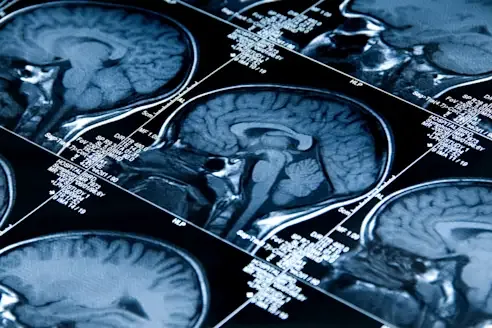
Another surprising sign of a vitamin B12 deficiency is memory loss or cognitive decline. This happens because B12 is essential for the production of myelin, the protective coating around our nerves. When we don't have enough B12, this myelin can break down, affecting our nerve signals and ultimately leading to memory loss or cognitive decline.
8. Other Signs
Besides the symptoms mentioned above, there are other signs that may indicate a vitamin B12 deficiency. These include difficulty breathing, dizziness, pale yellow eyes, balance issues, and even vision problems. If you experience any of these symptoms regularly, it may be worth getting your B12 levels checked.
How Can You Prevent a B12 Deficiency?
So, what can you do to ensure you're getting enough vitamin B12? The good news is that it's found in many foods such as meat, fish, dairy products, and eggs. However, if you follow a plant-based diet or have difficulty absorbing B12 from food due to certain health conditions, you may need to take supplements or have injections to maintain adequate levels What happens when your vitamin B12 is low?
Additionally, getting routine blood tests can help identify a deficiency early on and prevent any potential health complications.
conclusion
vitamin B12 deficiency is more common than we think and can lead to a range of alarming symptoms. Paying attention to the signals our body sends us is crucial in maintaining our overall health and well-being. If you experience any of the signs mentioned in this blog regularly, don't ignore them and consult your healthcare provider for proper diagnosis and treatment. Remember, it's never too late to make small changes in your diet or lifestyle for better health. And with vitamin B12 being such a vital nutrient, it's essential to keep an eye out for any signs that your body may be begging for more. Stay healthy, stay informed.