The Science of Urine: What’s Really in It?
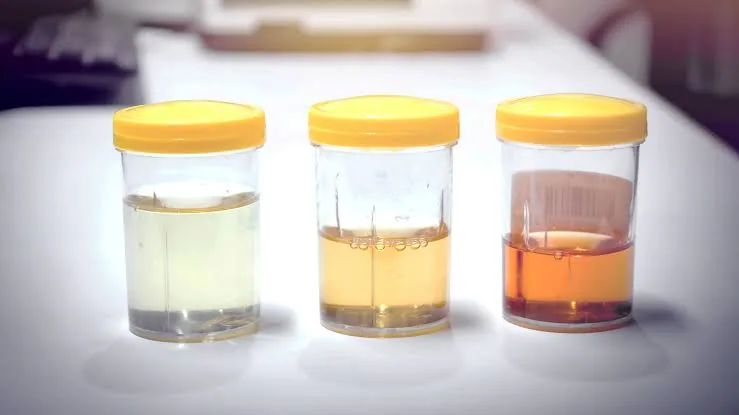
Urine is mostly water about 95%, to be exact. But the remaining 5% is where things get interesting. That fraction contains a mix of urea, creatinine, electrolytes like sodium and potassium, and waste byproducts from the food you eat, the medication you take, and the toxins your body filters out. In essence, urine is your body’s personal exit report. It's everything your kidneys have decided doesn’t belong in your bloodstream anymore. Now let’s deal with the popular myth: that urine is sterile. It’s not. While urine inside the bladder of a healthy person may have very low levels of bacteria, it’s never completely sterile even before it leaves the body. Studies show that the urinary tract naturally contains a small population of microbes. Once urine exits through the urethra and hits the air, it picks up even more bacteria from the skin and environment. So no, it’s not pure or clean it’s simply not as dirty as people might think.
Should You Ever Drink It?
It’s a dramatic question, but it comes up a lot, especially in survival circles. You’re stranded without water. You’re desperate. Should you drink your own urine? Absolutely not. Myths about urine The idea might sound logical it’s mostly water, after all but here’s the problem: the more dehydrated you are, the more concentrated your urine becomes. That means more waste, more salt, and more toxins in a smaller volume. Drinking that just puts additional stress on your already overworked kidneys, accelerating dehydration rather than slowing it down. In a true emergency, drinking urine once is unlikely to kill you, but it’s not a solution. It’s a short-term fix that creates long-term damage. If you're in a survival situation, focus on collecting dew, digging for underground moisture, or creating a solar still. Those options might actually help. Drinking Urine Survival
Is Urine Safe to Touch?
For the average healthy person, brief skin contact with their own urine isn’t usually a health risk. Accidents happen whether it’s a child’s diaper change, a urine test, or an unfortunate splashback. If you wash your hands afterward, you’ll be fine. But urine isn’t something you want lingering on your skin for extended periods. That said, urine can transmit disease under certain conditions. Infections like leptospirosis, schistosomiasis, and even hepatitis viruses can be spread through contact with contaminated urine especially in areas with poor sanitation or during floods. In hospitals, urine is treated as a body fluid that requires careful handling for a reason. The rule is simple: if it’s not yours or if there’s any risk of infection protect yourself and wash up thoroughly.
Strange But True: Historical and Medical Uses of Urine
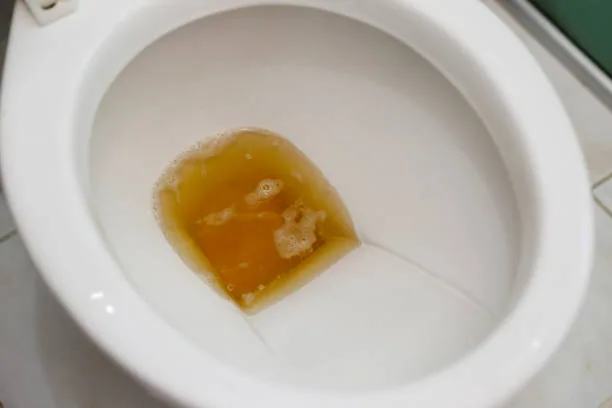
Urine has a strange place in human history. In ancient Rome, it was collected in public jars and used to clean clothes Ancient Roman Urine Laundry. The ammonia in urine helped break down dirt and grease in fabric. In some traditional cultures, urine was even used as a mild antiseptic to clean wounds, though today we have far more effective (and less revolting) options. And then there’s the jellyfish myth. You’ve probably heard that peeing on a sting will ease the pain. That’s not just wrong it can make things worse by triggering more venom release. In reality, vinegar or warm water does a better job. Urine also played a role in early pregnancy testing, thanks to the hormones it carries. So while it may seem strange, urine has served practical purposes. But let’s be honest it’s had its moment. These days, it’s better used in diagnostic labs, not as a cleaning product or survival hack. Urine is not sterile
When Urine Becomes Useful: Diagnostics and Disease Detection
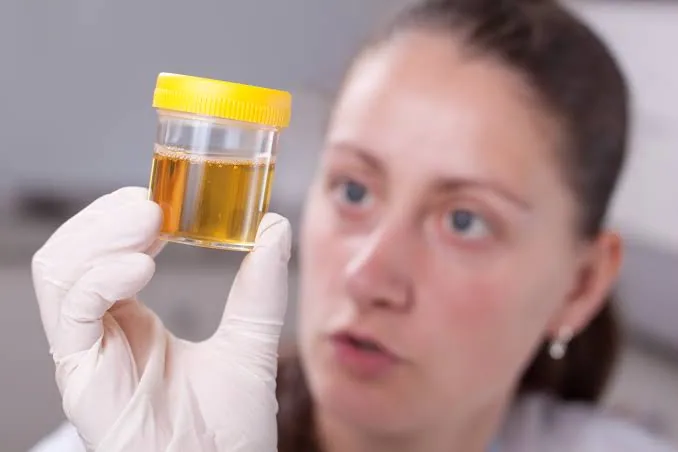
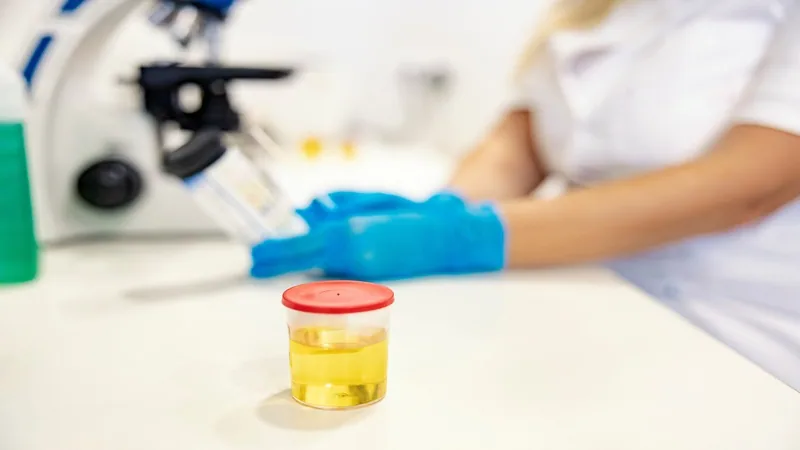
This is where urine really shines: not as a treatment, but as a diagnostic tool. A simple urine test can provide powerful clues about your health. Doctors use it to detect infections, kidney problems, signs of diabetes dehydration, liver issues, and even certain cancers. It's quick, non-invasive, and incredibly informative. The presence of protein might signal kidney disease. High glucose levels could point to undiagnosed diabetes. Ketones might indicate that the body is burning fat for fuel, which could be good or bad depending on the context. Blood in urine could be a sign of anything from a urinary tract infection to a more serious issue like bladder cancer. The bottom line? When it comes to testing, urine is a goldmine of information and it can catch problems long before you feel symptoms.
Final Thoughts: Trust the Body, Not the Myths
After two decades in medicine, here’s what I’ve learned: the human body is remarkably smart. It filters, adjusts, detoxifies, and maintains balance with minimal input from us. Urine is part of that elegant process. It’s not magic. It’s not poison. It’s just waste efficiently packaged and eliminated. That doesn’t mean it’s sterile. It doesn’t mean you should drink it. And it definitely doesn’t mean you should try to harness it like some ancient remedy. But if you’re serious about your health, it’s a fluid worth paying attention to at the lab, not in your water bottle. So take care of your body. Give it what it needs real hydration, nutritious food, rest, and care. And trust that when it gets rid of something, it has a very good reason.