The Moment You Inhale: Immediate Effects on Your Lungs
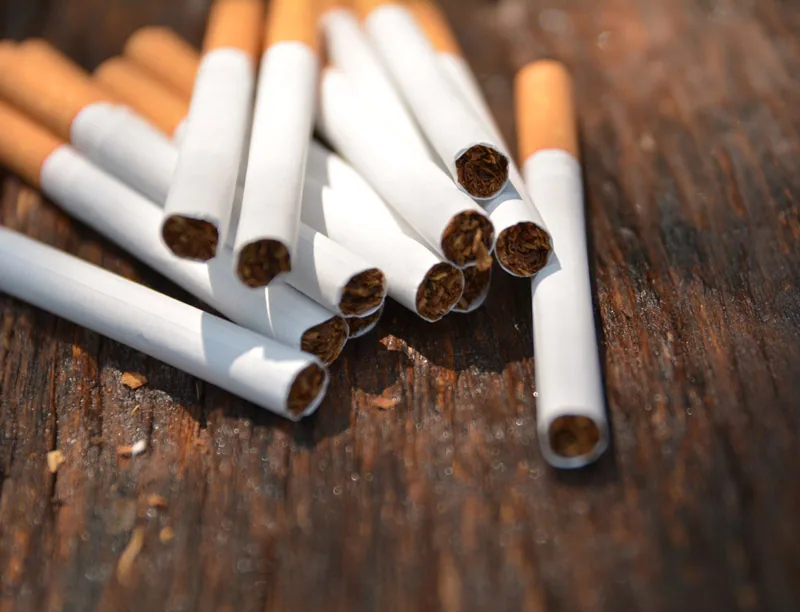
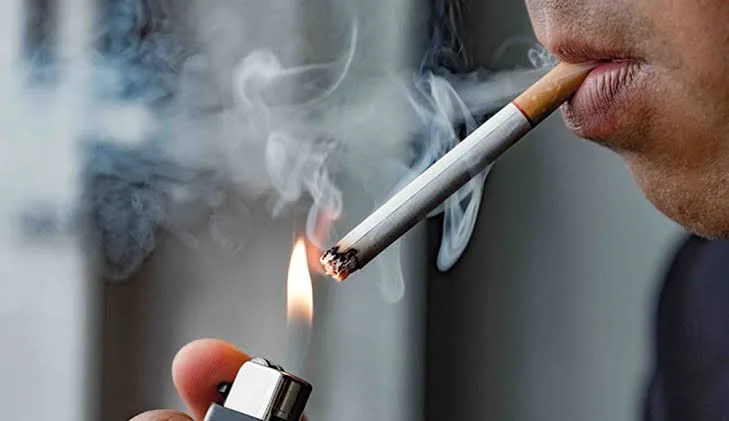
The journey of a cigarette starts as soon as you inhale. As smoke enters your lungs, it brings with it over 7,000 chemicals, some of which are known to cause cancer. These include formaldehyde, arsenic, and ammonia substances commonly found in household cleaners, pesticides, and even industrial waste.
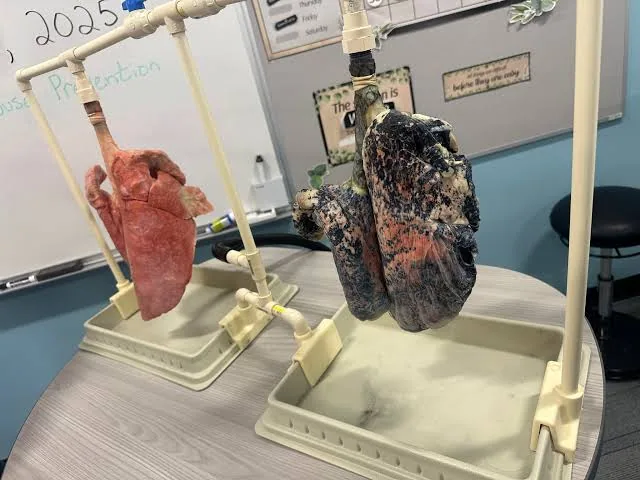
When smoke enters the lungs, it causes immediate irritation. Tiny hair-like structures called cilia, which are responsible for filtering out harmful particles, are paralyzed. This makes it harder for the lungs to clear out toxins. As the simulation shows, these effects begin in seconds. The airways become inflamed, narrowing the passage of air and making it harder to breathe.
Rapid Chemical Absorption into Your Bloodstream
Once smoke reaches your lungs, it doesn't just stay there. The chemicals quickly enter the bloodstream through the thin walls of the lung's alveoli. Nicotine, the addictive substance in cigarettes, is absorbed almost immediately. Within just 10 seconds, it reaches the brain, triggering the release of dopamine the "feel-good" hormone.
But this quick pleasure is short-lived. Nicotine constricts blood vessels, raising your heart rate and blood pressure, which over time can lead to serious cardiovascular issues. The disturbing part? This rapid chemical exchange doesn’t just happen once; it occurs with every puff you take, constantly reinforcing addiction while putting strain on your circulatory system.
Long-Term Damage to Your Organs
As the simulation shows, cigarette smoke doesn’t just affect the lungs and blood vessels. It impacts nearly every organ in your body. Over time, this constant exposure to harmful chemicals leads to a slow breakdown of various organs. The heart works harder to pump blood as arteries narrow due to the build-up of plaque a direct result of smoking. This increases the risk of heart disease and stroke. The liver, which helps detoxify the body, also takes a hit, becoming overburdened by the toxins from cigarettes. Additionally, smoking is a primary cause of chronic conditions such as emphysema, chronic bronchitis, and cancer of the lungs, throat, mouth, and bladder.
The Impact on Your DNA: Accelerating Aging and Cancer Risk
One of the most disturbing consequences shown in the simulation is the effect of the most disturbing consequences shown in the simulation is the effect of smoking on your DNA. The carcinogens in cigarette smoke directly damage the genetic material inside your cells, mutating your DNA. This mutation can lead to cancer, with the most common being lung cancer. But the damage doesn’t stop there research has shown that smoking also accelerates the aging process, leading to wrinkles, sagging skin, and a weakened immune system. Even more concerning is that these genetic mutations can be passed down to future generations. So, while smoking may have immediate effects on the smoker, it can also have long-lasting consequences for their children and grandchildren.
The Road to Recovery: What Happens When You Quit
While the simulation emphasizes the immediate and long-term dangers of smoking, it also highlights the remarkable ability of the body to recover after quitting. Within just a few hours of your last cigarette, your blood pressure begins to drop, and within a few weeks, lung function begins to improve. Over time, the body works to repair itself, with a significant reduction in the risk of developing life-threatening diseases such as heart disease and lung cancer. However, this process of recovery requires time and consistency. Quitting smoking isn’t easy, but the benefits are undeniable. The body begins to heal almost immediately, but it’s up to the individual to commit to a life free of cigarettes to fully reap the rewards.
Conclusion
The simulation paints a disturbing yet eye-opening picture of the damage that smoking inflicts on the body. From the initial irritation in the lungs to the long-term impact on your organs and DNA, the consequences of inhaling a cigarette are far-reaching. But despite these harmful effects, the body has an incredible ability to heal once smoking stops. The key takeaway here is that smoking isn’t just a bad habit it’s a health crisis in motion. If you or someone you know is still smoking, consider this your wake-up call. Quitting is challenging, but with determination and support, you can break free from the harmful grip of nicotine and start the road to recovery.