What the Study Claims
The study suggests that chemicals found in plastic products, particularly Bisphenol A (BPA) and phthalates, might be killing hundreds of thousands of people each year due to heart disease. The idea is simple: these chemicals disrupt our body’s hormonal systems, triggering a cascade of health problems, including cardiovascular diseases. In fact, the study claims that 350,000 deaths annually could be tied to these plastics.
It’s a provocative claim. But the real question is: should we take it at face value?
The Power of Correlation But Where’s the Causation?
The study shows a link. But we need to ask: Is this correlation or causation? Just because two things happen at the same time doesn’t mean one causes the other. Other factors could be at play. Poor diet, smoking, and lack of exercise also contribute to heart disease. Without ruling these out, it’s hard to say that plastics are the sole culprit.
It’s critical to remember: scientific findings are rarely as clear-cut as they appear in sensational headlines.
Study Design: How Reliable Are the Results?
Let’s talk about how the study was done. Was it a randomized, controlled trial, or something else? We need to know what variables were accounted for. What other factors might have influenced the results? Studies based on observational data or animal models might show a link, but they don’t prove cause-and-effect in humans.
The reliability of the research is just as important as the conclusions it draws. Without a solid study design, we’re left with incomplete information, which means we can’t yet fully trust the findings.
Are Plastics Really That Dangerous?
Are plastics actually the main driver behind these health issues, or is there something else at play? Research on plastic chemicals, especially BPA and phthalates, has been mixed. Some studies show strong links between these chemicals and various health problems. Others don’t find clear evidence of harm at typical exposure levels.
It’s also worth noting that exposure levels matter. People who work in industries that handle plastics may be at higher risk than the average consumer. But for most of us, the plastics we use daily like in food packaging or water bottles may not pose a direct and significant risk. Toxic chemicals in plastics
The Impact of Daily Plastic Use
Let’s face it. Plastics are everywhere. They're in food packaging, drink bottles, even medical devices. We rely on them because they’re cheap, lightweight, and convenient. But as research continues to shed light on the possible risks, many are wondering: How much exposure is too much?
While many plastic products now contain less BPA and phthalates, they’re still present in numerous everyday items. It’s a delicate balance between practicality and potential health risks.
A Call for More Research
The alarming findings of this study should spark more questions than answers. Yes, plastics might play a role in heart disease, but we need more research to get to the bottom of it. We need long-term studies to track the real impact of plastics on human health. And, importantly, we need to better understand how plastics affect different populations like those with higher exposure.
So, while this study might be a wake-up call, it’s not the final word. More research is needed before we make sweeping conclusions.
How to Minimise Plastic Use
While we wait for more definitive answers, it’s always smart to minimize our plastic use. Reducing plastic consumption is not only better for your health, but it's also a step toward protecting the planet. Here's how to get started:
-
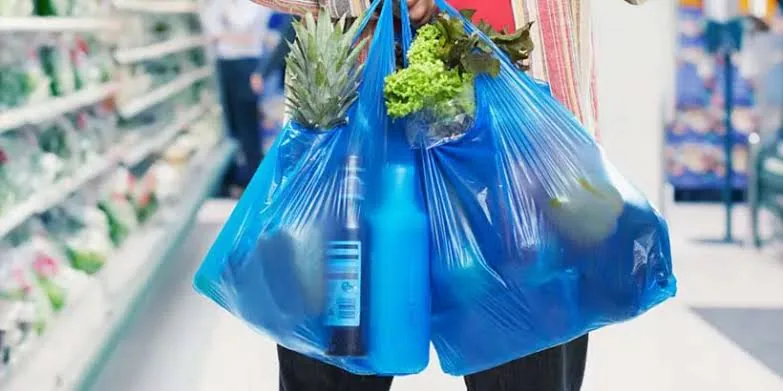
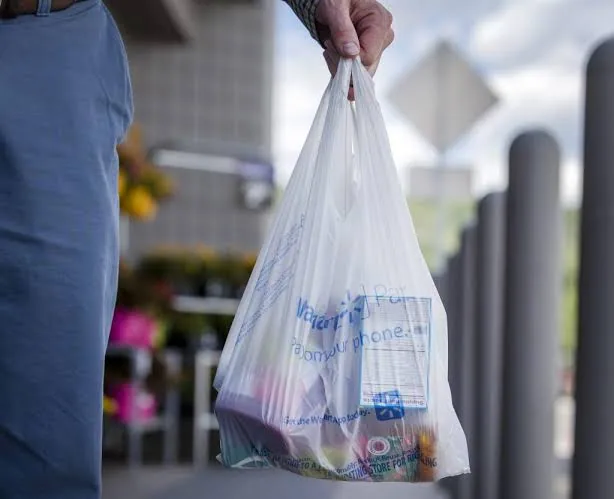
Use Reusable Bags: Every time you bring home a plastic bag, think about the waste it creates. Instead, use cloth bags that can be reused over and over.
-
Opt for Glass or Stainless Steel: Get rid of plastic water bottles and containers. Glass and stainless steel are more durable and won’t leach chemicals into your food or drink.
-
Buy in Bulk: Instead of buying single-use plastic packaging, buy in bulk. Bring your own containers to fill with dry goods, grains, and even fruits and vegetables.
-
Say No to Disposable Plastics: Avoid plastic straws, cutlery, and plates. Switch to metal, bamboo, or biodegradable alternatives. They’re just as convenient, without the environmental or health toll.
-
Go for Natural Fibers: Avoid clothing made from synthetic fibers like polyester. Choose natural fibers like cotton, wool, or linen. They’re better for your health and the environment.
-
Support Brands that Care: Look for companies that are moving away from plastic packaging and making sustainable, eco-friendly products. Your purchasing power can drive change.
-
Recycle Properly: We know you’ve heard it before, but recycling matters. Be sure to separate your plastic waste, and take advantage of community recycling programs to reduce plastic pollution.
-
Ditch Plastic Wrap: Instead of cling film, use reusable beeswax wraps, silicone lids, or glass containers to store food.
-
Educate Others: Share the knowledge. Advocate for plastic-free alternatives in your community, workplace, and among your social circles. The more people who are informed, the bigger the impact we can make.
Conclusion: Should We Be Concerned?
The study linking plastics to 350,000 heart-related deaths certainly raises valid concerns about the chemicals in our everyday products. But before we start throwing out all our plastic items, let’s take a step back. We need more research to truly understand the impact of plastics on human health.
In the meantime, reducing plastic use is a win-win. It’s good for your health, the environment, and the future of the planet. Let’s be smart about our choices, stay informed, and demand more research. After all, small changes add up to big results.