Silent Signs of Artery Blockages You Can't Ignore
1. Chest pain or discomfort
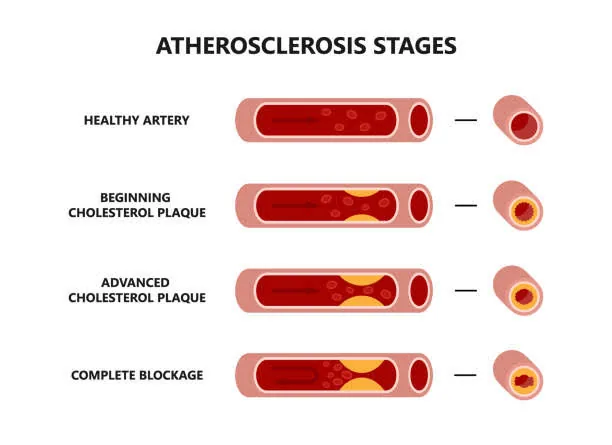
Chest pain may be a sign of a coronary artery blockage, where plaque buildup restricts blood flow to the heart. This leads to an oxygen shortage, causing pain or discomfort in the chest. It's often described as pressure, squeezing, heaviness, or burning and may radiate to other areas like the shoulders, arms, neck, jaw, or back. This pain becomes more pronounced during physical exertion or emotional stress when the heart requires more oxygen but is unable to receive it due to narrowed arteries.
2. Shortness of breath
If you find yourself struggling to catch your breath after simple activities like walking or climbing stairs, it could be a sign that your arteries are blocked. With narrowed arteries restricting blood flow to vital organs like the heart and lungs, the body experiences an oxygen shortage and urges you to breathe faster. This can lead to breathlessness during regular activities or even at rest, a sign that blood flow restriction is extensive and affecting multiple areas of the heart.
3. Fatigue
A persistent sense of overwhelming tiredness or weakness that doesn't improve with rest could be a subtle sign of artery blockages. When plaque buildup restricts blood flow through the arteries, it also limits the delivery of oxygen and nutrients to our muscles and organs. This can lead to a constant state of energy conservation where the body prioritizes vital functions, leaving us feeling drained and fatigued.
4. Dizziness or lightheadedness
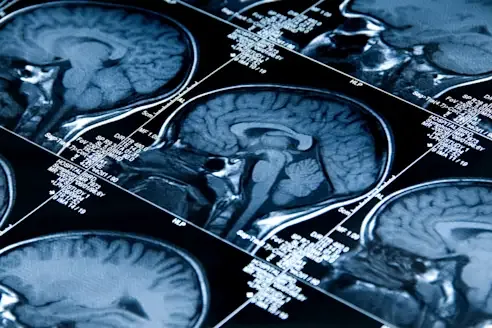
Reduced blood flow to the brain due to narrowed carotid arteries can cause dizziness or lightheadedness. Our brain needs plenty of oxygen-rich blood to function correctly, and when this supply is restricted, it can lead to feelings of dizziness or even fainting. If you experience these symptoms frequently, it's essential to get them checked out by a doctor.
5. Elevated blood pressure
High blood pressure, also known as hypertension, is a common risk factor for artery blockages. When your blood pressure stays consistently elevated, it puts extra strain on your arteries and increases your risk of damage to the artery walls. In turn, this makes it easier for plaque to build up and narrow the arteries over time.
6. Leg pain or cramping
Peripheral artery disease (PAD) occurs when plaque builds up in the arteries that supply blood to the legs and feet. As this leads to reduced blood flow, you may experience leg pain or cramping during physical activity or at rest. This symptom should never be ignored as it could point to significant blockages in the arteries.
7. Erectile dysfunction
Erectile dysfunction (ED) is a problem that affects many men but could also be linked to underlying cardiovascular issues like artery blockages. The same plaque buildup that narrows coronary arteries can also affect the arteries supplying blood to the penis. If ED is a concern for you, it's essential to get your heart health checked as well.
8. Unexplained weight gain
Unexplained weight gain can be a warning sign of underlying health issues, including artery blockages. When our arteries are clogged, our body's metabolism is affected, making it difficult to lose weight or maintain normal weight levels. If you're experiencing unexplained weight gain, especially around your midsection, it's worth getting your heart health checked.
9. Noisy breathing
Noisy breathing, known as wheezing, can indicate that blood flow to the lungs is restricted due to narrowed arteries. With limited oxygen reaching the lungs, the body may produce a wheezing sound as it struggles to breathe. This is concerning and should be checked by a medical professional as soon as poss
What can you do to protect your heart health?
The good news is that artery blockages are preventable with simple lifestyle changes and healthy habits. Here are some tips to keep your arteries clear and your heart healthy:
-
Quit smoking: Smoking damages the walls of our arteries, making it easier for plaque to build up, and increases our risk of heart disease.
-
Eat a heart-healthy diet: A diet rich in fruits, vegetables, whole grains, and lean proteins can help reduce plaque buildup in our arteries.
-
Exercise regularly: Regular physical activity helps keep our heart healthy by improving blood flow and reducing the risk of artery blockages.
-
Manage stress: Chronic stress can contribute to high blood pressure and damage our arteries. Find healthy ways to manage stress, such as meditation or exercise.
-
Monitor and manage your blood pressure and cholesterol levels: High blood pressure and cholesterol are major risk factors for artery blockages. How to Find Clogged Artery?
conclusion
Don't ignore the silent signs of artery blockages that your body is trying to warn you about. By understanding these symptoms and taking steps to improve your heart health, you can prevent serious complications and protect your heart for years to come. Remember, prevention is your most powerful tool in keeping your arteries clear and your heart healthy. Take action now for a healthier tomorrow.