Medical emergency? Call your local emergency number
First aid guides

Menu

6 Critical Symptoms of Pancreatic Cancer You Can't Ignore

6 Critical Symptoms of Pancreatic Cancer You Can't Ignore Signs & symptoms 4 min read
Not yet medically reviewed. This page has not been checked by a qualified medical reviewer. Use it for general education only and confirm anything important with a healthcare professional. Written by GeoMed Editorial Team. Last updated 24 October 2026.

Pancreatic cancer is a deadly disease that often goes undetected until it has reached an advanced stage. This is why it is often referred to as a "silent killer." But what if there were warning signs that could help you detect this disease early on? In this article, we will discuss 6 critical symptoms of pancreatic cancer that many people overlook. By being aware of these warning signs and seeking medical attention, you could potentially save your own life or the life of a loved one.

Symptoms of Pancreas Cancer

1. Jaundice: One of the early and most noticeable symptoms of pancreatic cancer is jaundice. This condition causes a yellowing of the skin and eyes due to a buildup of bilirubin, a yellow-brown substance produced when the liver breaks down old red blood cells. When a tumor in the pancreas obstructs the bile duct, bilirubin builds up in the bloodstream, leading to jaundice. While jaundice can be a result of other conditions, it should not be ignored as it could be a sign of pancreatic cancer.

2. Persistent Nausea and Vomiting: Unexplained nausea and vomiting can also be early warning signs of pancreatic cancer. These symptoms may occur without any apparent cause and can be ongoing and worsen over time. This is because the tumor can press against the stomach or small intestine, disrupting normal digestion. If you notice persistent nausea and vomiting, especially after consuming fatty or heavy meals, it's important to seek medical attention.

3. Persistent Unexplained Itchy Skin: Another symptom that is often overlooked is persistent itching all over the body also known as pruritus. This type of itching is intense and unrelenting, unlike occasional itching caused by allergies or dry skin. It is believed to be caused by the accumulation of bile salts in the skin when the bile duct is blocked by the tumor. If you notice persistent itching that doesn't respond to typical treatments, it's essential to mention it to your doctor.

4. Abdominal Pain: Many people experience abdominal pain, but the pain associated with pancreatic cancer is distinct. It is often described as a dull, aching sensation that may radiate to the back. The pain is also worse when lying down and improves when leaning forward. This happens because the tumor presses on surrounding organs and nerves. If you notice a persistent, gnawing pain in your upper abdomen, especially after meals, it's crucial to inform your doctor.

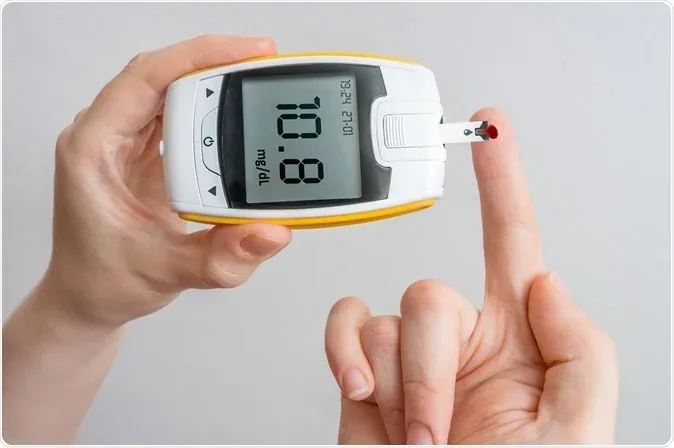
5. Sudden Diabetes: Pancreatic cancer can affect the body's ability to produce insulin, leading to sudden-onset diabetes in some cases. If you have no history of diabetes and suddenly experience symptoms such as increased thirst, frequent urination, and extreme fatigue, it could be a sign of pancreatic cancer. While diabetes can have other causes, it's essential to get checked for pancreatic cancer as well.
6 Critical Symptoms of Pancreatic Cancer You Can't Ignore

6. Unexplained Weight Loss and Changes in Digestion: Pancreatic cancer can cause unexplained weight loss and changes in digestion. The tumor can interfere with the pancreas' ability to produce digestive enzymes, leading to difficulty in digesting fatty foods. This can result in unintentional weight loss and changes in bowel movements such as diarrhea or pale and smelly stools.

It's important to note that these symptoms do not always mean pancreatic cancer. However, if you experience any of these symptoms, especially if they are persistent and accompanied by other unusual symptoms, it's crucial to seek medical attention immediately.

What is pancreatic cancer?

In addition to knowing the early warning signs, it is essential to understand the risk factors for pancreatic cancer. These include age (over 60), family history of the disease, smoking, obesity, and a high-fat diet. If you have any of these risk factors, it's important to be vigilant and pay attention to any changes in your body.

conclusion

Early detection is key to improving survival rates for pancreatic cancer. By being aware of the subtle warning signs and seeking medical attention, you could potentially save your own life or the life of a loved one. Do not ignore any persistent symptoms and always consult with a healthcare professional for proper diagnosis and treatment. Don't let pancreatic cancer go undetected - know the symptoms, stay vigilant, and stay healthy.
Image credits

  • Heading image: GeoMed

More Health articles

View all
What Science Says About Ignored Headaches and the Risk of Sudden Death Signs & symptoms

What Science Says About Ignored Headaches and the Risk of Sudden Death

Headaches are among the most common complaints in medicine, affecting nearly everyone at some point. Most people treat them as minor inconveniences, taking a painkiller and moving on. But in rare and alarming cases, headaches can be an early warning sign of life-threatening conditions. Some individuals experience recurring head pain, manage it with medication, feel better, and then shockingly suffer sudden medical collapse or death. What’s going on beneath the surface? Understanding the science behind serious headache causes can be life-saving.

4 min read
Types of Headaches by Location: Causes and How to Treat Them Signs & symptoms

Types of Headaches by Location: Causes and How to Treat Them

Headaches are among the most common health complaints, but they are not all created equal. While many people focus on how intense the pain is, where you feel the headache can often be just as important. The location of the pain in your head can give you valuable clues about the underlying cause whether it is stress, sinus issues, posture problems, or something more serious. Understanding this can help you treat the pain more effectively and avoid future episodes.

4 min read
6 Ear Symptoms That Could Be Warning You About Serious Health Problems Signs & symptoms

6 Ear Symptoms That Could Be Warning You About Serious Health Problems

Your ears are more than just tools for hearing. They can actually offer early clues about what's going on inside your body. From cardiovascular problems to infections, certain changes in your ears can act like silent alarms, warning you before bigger health issues develop. Ignoring these signs could mean missing out on early treatment and prevention. In this article, we’ll break down six ear-related factors you should never overlook and what they might mean for your overall health.

4 min read
The Silent Warning Signs Your Kidneys Are Struggling Before a Stone Forms Signs & symptoms

The Silent Warning Signs Your Kidneys Are Struggling Before a Stone Forms

Here's a shocking reality: 90% of kidney function can be lost before you even notice symptoms. That's not a type your kidneys can be silently failing while you go about your daily routine, completely unaware that a health crisis is brewing beneath the surface. Most of us only think about our kidneys when the excruciating pain of a kidney stone hits. But what if I told you that your body has been sending you subtle warning signals long before that first stone ever forms? As someone who has spent years studying kidney health and patient outcomes, I've witnessed countless cases where early intervention could have prevented significant complications. The truth is, kidney stones aren't just random events that strike without warning. They're often the end result of a cascade of kidney function changes that your body has been desperately trying to communicate through whisper-quiet symptoms. Today, I want to share the critical early warning signs that most people miss and the actionable steps you can take to protect your kidney health before it's too late.

6 min read