Medical emergency? Call your local emergency number
First aid guides

Menu

10 Silent Signs of Colon Cancer You Can't Ignore Protect Yourself Today

10 Silent Signs of Colon Cancer You Can't Ignore Protect Yourself Today Signs & symptoms 5 min read
Not yet medically reviewed. This page has not been checked by a qualified medical reviewer. Use it for general education only and confirm anything important with a healthcare professional. Written by GeoMed Editorial Team. Last updated 24 October 2026.

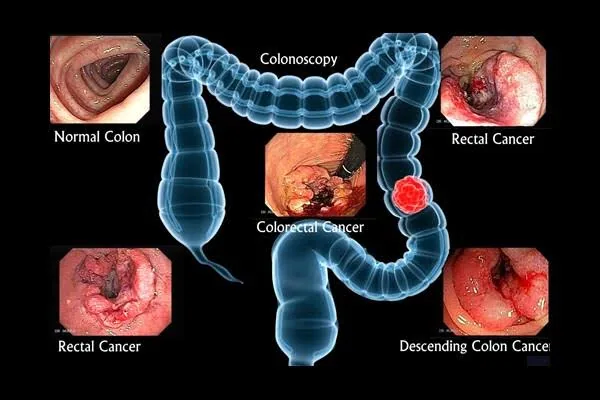
Did you know that colon cancer is no longer just a concern for older adults? It's now striking younger generations at an alarming rate, leaving doctors and researchers scrambling to understand why. This disturbing trend is only made worse by the fact that colon cancer is one of the deadliest cancers out there. It often develops silently in its early stages, with little to no symptoms, allowing the disease to spread undetected. By the time most people start noticing something is wrong, the cancer has already progressed, making treatment more complex and survival rates lower. So why is this happening? What are the warning signs that most people overlook? And most importantly, how can you protect yourself? At Healthy Everyday, we believe that knowledge is your greatest defense. In this article, we'll reveal 10 silent symptoms of colon cancer that could be your body's way of warning you before it's too late. We'll also explore the shocking rise in cases and the possible factors behind this disturbing trend.

1. Unexplained nausea or vomiting

While everyone experiences nausea from time to time, persistent nausea without explanation could be a sign of something much more serious, like colon cancer. When a tumor grows in the colon, it can block the passage of food through the intestines, leading to a buildup of pressure that triggers nausea. A study has shown that patients with colon cancer often have advanced disease due to intestinal obstruction.

2. Anemia

Anemia is often brushed off as simple fatigue, but when it comes out of nowhere, it could be a sign of something far more serious, like colon cancer. In this case, anemia is not caused by poor diet or vitamin deficiency but by internal bleeding caused by tumors in the colon. This bleeding is often too minimal to be noticed in stool but steadily depletes the body's iron stores, leading to chronic exhaustion.

3. A feeling of incomplete emptying

If you constantly feel like you haven't finished in the bathroom, even when nothing comes out, it could be a sign that a tumor is interfering with normal colon function. As a mass grows inside the large intestine, it can create a block that makes it difficult for waste to pass smoothly, leaving you with a sensation of incomplete emptying.

4. Blood in stool

Not all blood in the stool is the same. Bright red blood could be from the lower digestive tract and often linked to hemorrhoids, but darker, almost black blood mixed into the stool is a warning sign of internal bleeding higher up in the colon. And the scariest part? Many cases of colon cancer involve microscopic bleeding that can only be detected through lab tests.

5. Unexplained weight loss

Losing weight without trying might sound like a blessing, but when the scale keeps dropping without any change in diet or exercise, it's time to be concerned. Colon cancer can lead to weight loss in unexpected ways. A growing tumor may obstruct the digestive process, preventing proper absorption of nutrients, leaving the body undernourished even when you're eating normally.

6. Changes in bowel habits

Changes in bowel habits can be one of the earliest warning signs of colon cancer, yet they are often overlooked because they seem so common. While everyone experiences occasional digestive disruptions, if a shift in your normal pattern persists for weeks, it could signal something more serious.

7. Abdominal pain or cramping

Abdominal pain or cramping is another common symptom that is often associated with other conditions, making it easy to ignore. But when it becomes persistent or severe, it could be a sign of a growing tumor in the colon, especially if accompanied by other symptoms like blood in stool or changes in bowel habits.

8. Fatigue and weakness

Fatigue and weakness are symptoms that can be caused by a variety of factors, but when they become persistent or unexplained, they can be a warning sign of colon cancer. As the tumor grows and spreads, it can cause the body to feel constantly drained, leaving you feeling weak and exhausted.

9. Rectal bleeding

Similar to blood in the stool, rectal bleeding can be a sign of hemorrhoids or something more serious like colon cancer. If you experience this symptom, it's important to speak with your doctor to rule out any potential issues.

10. Feeling full quickly

When a tumor in the colon grows, it can put pressure on the surrounding organs, leading to a feeling of fullness even after small meals. This symptom is often overlooked or attributed to other causes like stress or aging, but if it persists, it could be a sign of colon cancer.

Now that you know the 10 silent signs of colon cancer, it's important to understand why there has been a rise in cases among younger adults. Some experts speculate that lifestyle factors, such as a poor diet and lack of exercise, play a role. However, there is also evidence that environmental factors and genetics may contribute to the development of colon cancer. The bottom line is that early detection is key in fighting this disease.

If you experience any of these symptoms, it's important not to ignore them. Schedule an appointment with your doctor to discuss your concerns and undergo appropriate screening tests. The earlier colon cancer is detected, the better your chances of successful treatment and survival.

Conclusion

colon cancer may be on the rise among younger adults, but it's not something that should be taken lightly. By being aware of the silent signs and taking action when necessary, we can protect ourselves and our loved ones from this deadly disease. Remember, early detection saves lives. Stay informed and stay healthy.

Image credits

  • Heading image: GeoMed

More Health articles

View all
What Science Says About Ignored Headaches and the Risk of Sudden Death Signs & symptoms

What Science Says About Ignored Headaches and the Risk of Sudden Death

Headaches are among the most common complaints in medicine, affecting nearly everyone at some point. Most people treat them as minor inconveniences, taking a painkiller and moving on. But in rare and alarming cases, headaches can be an early warning sign of life-threatening conditions. Some individuals experience recurring head pain, manage it with medication, feel better, and then shockingly suffer sudden medical collapse or death. What’s going on beneath the surface? Understanding the science behind serious headache causes can be life-saving.

4 min read
Types of Headaches by Location: Causes and How to Treat Them Signs & symptoms

Types of Headaches by Location: Causes and How to Treat Them

Headaches are among the most common health complaints, but they are not all created equal. While many people focus on how intense the pain is, where you feel the headache can often be just as important. The location of the pain in your head can give you valuable clues about the underlying cause whether it is stress, sinus issues, posture problems, or something more serious. Understanding this can help you treat the pain more effectively and avoid future episodes.

4 min read
6 Ear Symptoms That Could Be Warning You About Serious Health Problems Signs & symptoms

6 Ear Symptoms That Could Be Warning You About Serious Health Problems

Your ears are more than just tools for hearing. They can actually offer early clues about what's going on inside your body. From cardiovascular problems to infections, certain changes in your ears can act like silent alarms, warning you before bigger health issues develop. Ignoring these signs could mean missing out on early treatment and prevention. In this article, we’ll break down six ear-related factors you should never overlook and what they might mean for your overall health.

4 min read
The Silent Warning Signs Your Kidneys Are Struggling Before a Stone Forms Signs & symptoms

The Silent Warning Signs Your Kidneys Are Struggling Before a Stone Forms

Here's a shocking reality: 90% of kidney function can be lost before you even notice symptoms. That's not a type your kidneys can be silently failing while you go about your daily routine, completely unaware that a health crisis is brewing beneath the surface. Most of us only think about our kidneys when the excruciating pain of a kidney stone hits. But what if I told you that your body has been sending you subtle warning signals long before that first stone ever forms? As someone who has spent years studying kidney health and patient outcomes, I've witnessed countless cases where early intervention could have prevented significant complications. The truth is, kidney stones aren't just random events that strike without warning. They're often the end result of a cascade of kidney function changes that your body has been desperately trying to communicate through whisper-quiet symptoms. Today, I want to share the critical early warning signs that most people miss and the actionable steps you can take to protect your kidney health before it's too late.

6 min read