
Overview
Autoimmune hepatitis is a long-term condition in which the immune system attacks the liver, causing inflammation and damage to liver cells. It can affect people of any age, but is most common in women and often starts in adolescence, young adulthood or middle age.
Symptoms vary widely. Some people feel tired and unwell for months, others develop jaundice suddenly, and some have no symptoms and are diagnosed after routine blood tests. Without treatment, the inflammation can lead to scarring of the liver (cirrhosis) and liver failure. With treatment, usually steroids and azathioprine, most people's liver inflammation can be controlled, and many live normal lives, though most need long-term treatment.
Autoimmune hepatitis is not caused by alcohol or by a virus that can be passed on to others, and it is not contagious. Because it can come and go, people often need regular blood tests for many years, even when they feel well.
When to get urgent help
Seek urgent care for yellowing skin or eyes with confusion or drowsiness, vomiting blood or black stools, severe abdominal swelling or pain, or fever while on immunosuppressants.
Causes and risk factors
The exact cause is unknown. It is thought to result from:
- Genetic susceptibility: especially HLA-DR3 and HLA-DR4 genes
- Triggers: viral infections (such as hepatitis A or Epstein-Barr virus), some medicines (minocycline, nitrofurantoin, statins, some biologics) and herbal remedies
- Other autoimmune conditions: thyroid disease, coeliac disease, type 1 diabetes, ulcerative colitis, rheumatoid arthritis
- Female sex
How it develops (pathophysiology)
Normal liver immune tolerance
The liver receives blood from the gut, containing food proteins and bacterial products. To avoid constant inflammation, the liver has a tolerant immune environment, with regulatory T cells that suppress harmful immune responses.
What goes wrong
- Loss of tolerance: in genetically susceptible people, a trigger such as a virus or medicine may cause the immune system to recognise liver proteins as foreign. This may happen through molecular mimicry, where a viral protein resembles a liver protein.
- Defective regulation: regulatory T cells are reduced or work less well, so self-reactive immune cells are not controlled.
- Immune attack: CD4+ helper T cells and CD8+ cytotoxic T cells attack hepatocytes (liver cells). B cells produce autoantibodies, such as antinuclear antibodies (ANA), anti-smooth muscle antibodies (ASMA) or anti-liver kidney microsomal antibodies (anti-LKM1).
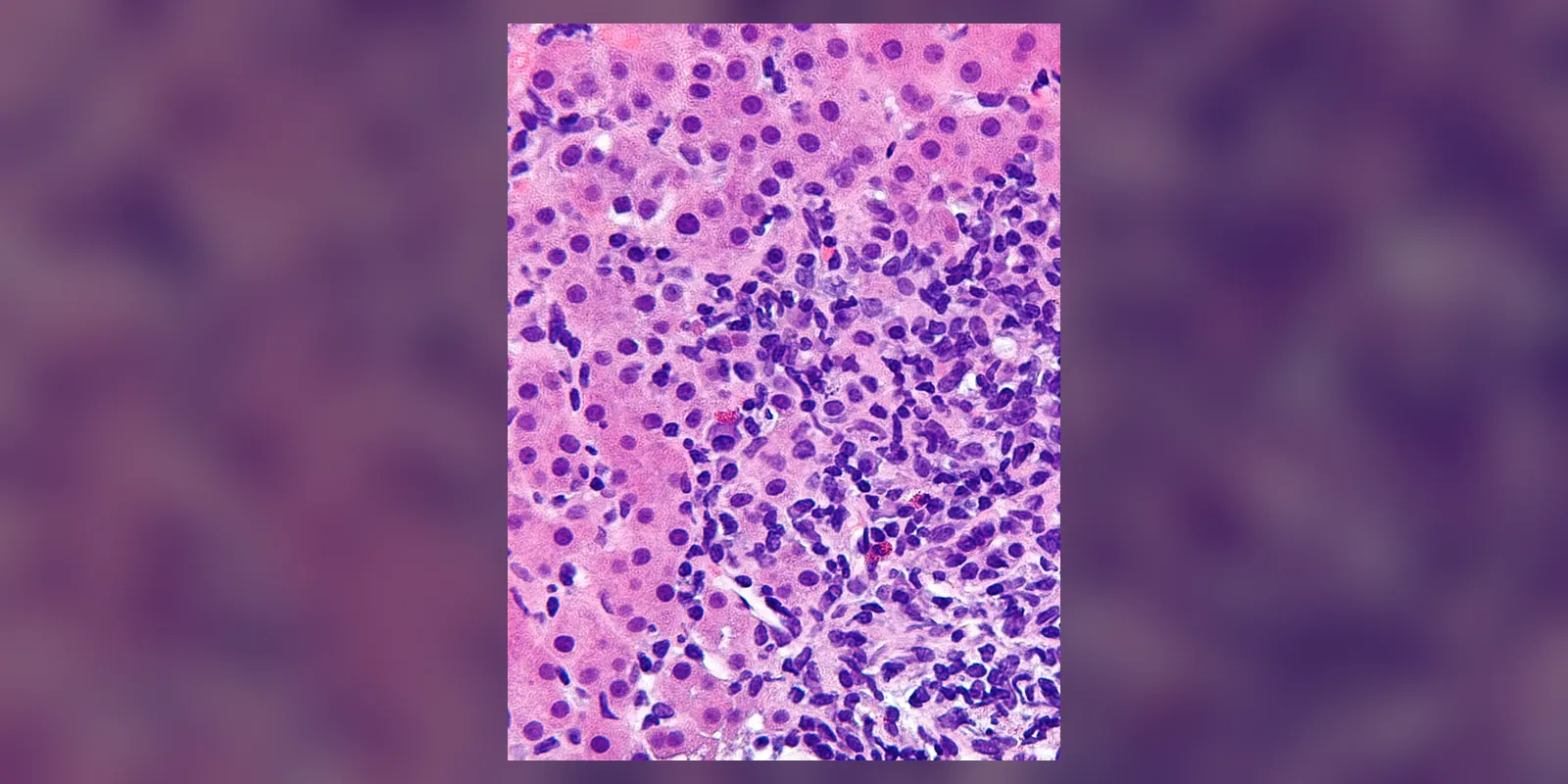
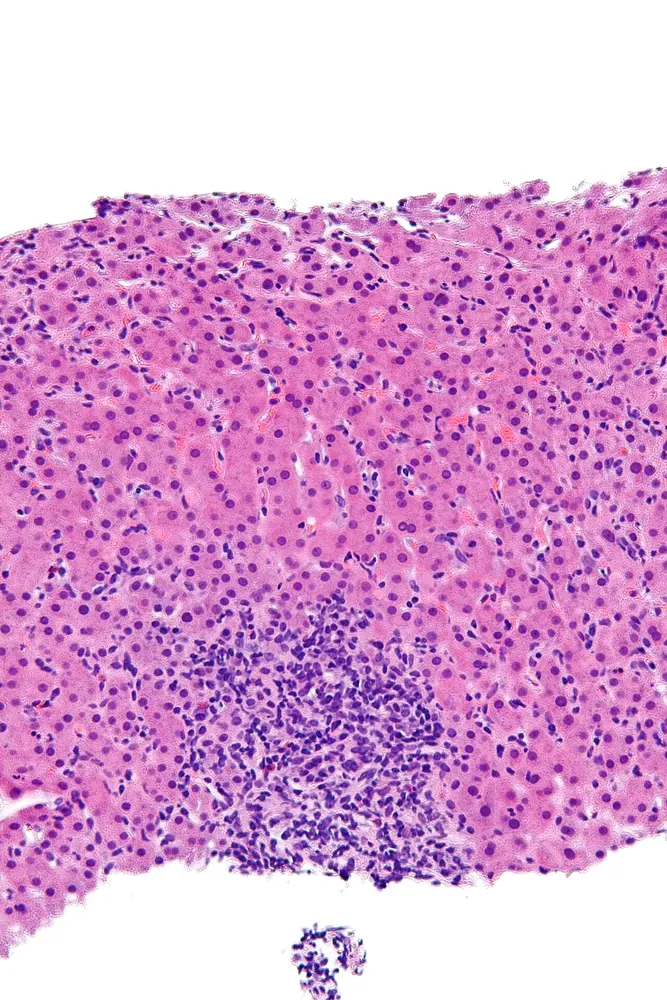
- Inflammation: immune cells, especially plasma cells, infiltrate the areas around the portal tracts and spill into the surrounding liver tissue (interface hepatitis), killing liver cells.
- Fibrosis: ongoing damage activates stellate cells, which produce scar tissue. Over years, this can progress to cirrhosis.
Why the symptoms happen
- Tiredness and joint pain reflect inflammation.
- Jaundice and dark urine occur when damaged liver cells cannot process bilirubin.
- Abdominal discomfort results from liver swelling.
- Itching can result from bile salt build-up.
- Easy bruising, swelling and confusion occur with cirrhosis and liver failure.
- Raised liver enzymes (ALT, AST) reflect liver cell damage.
- Raised IgG reflects immune activation.
How treatment acts on the mechanism
Corticosteroids (prednisolone or budesonide) rapidly suppress the immune attack. Azathioprine maintains remission by reducing immune cell proliferation, allowing steroid doses to be reduced. Mycophenolate, tacrolimus or other agents are used if first-line treatment fails or is not tolerated. Controlling inflammation stops further scarring, and some fibrosis can regress. Liver transplantation replaces a failed liver.
Types
- Type 1 autoimmune hepatitis: ANA and/or ASMA; most common, at any age
- Type 2 autoimmune hepatitis: anti-LKM1 antibodies; mainly in children
- Overlap syndromes: with primary biliary cholangitis or primary sclerosing cholangitis
- Drug-induced autoimmune-like hepatitis
Signs and symptoms
- Tiredness
- Joint pains
- Nausea and loss of appetite
- Abdominal discomfort
- Yellowing of the skin and eyes
- Dark urine and pale stools
- Itching
- Skin rashes
- Absent periods in women
- No symptoms in some people
Advanced disease: swollen abdomen, easy bruising, vomiting blood, confusion.
Symptoms may develop slowly over months, or appear suddenly like an acute viral hepatitis. Some people only find out when routine blood tests show abnormal liver results.
How it is diagnosed
- Liver blood tests: raised ALT and AST
- Immunoglobulin G (IgG): often raised
- Autoantibodies: ANA, ASMA, anti-LKM1, anti-SLA
- Tests to exclude other causes: viral hepatitis, Wilson's disease, alcohol, medicines
- Liver ultrasound and elastography
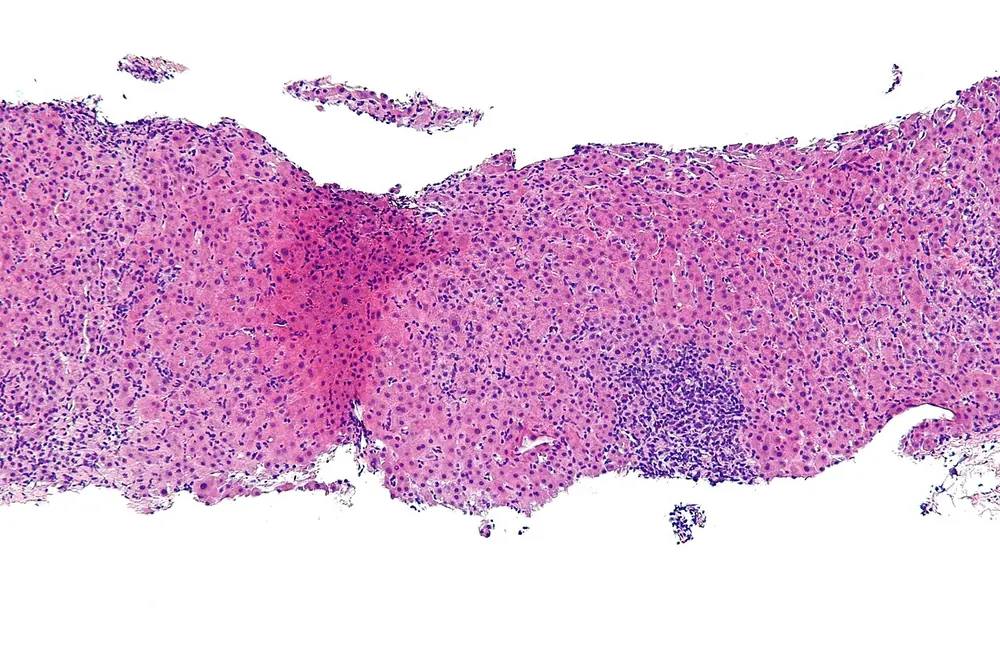
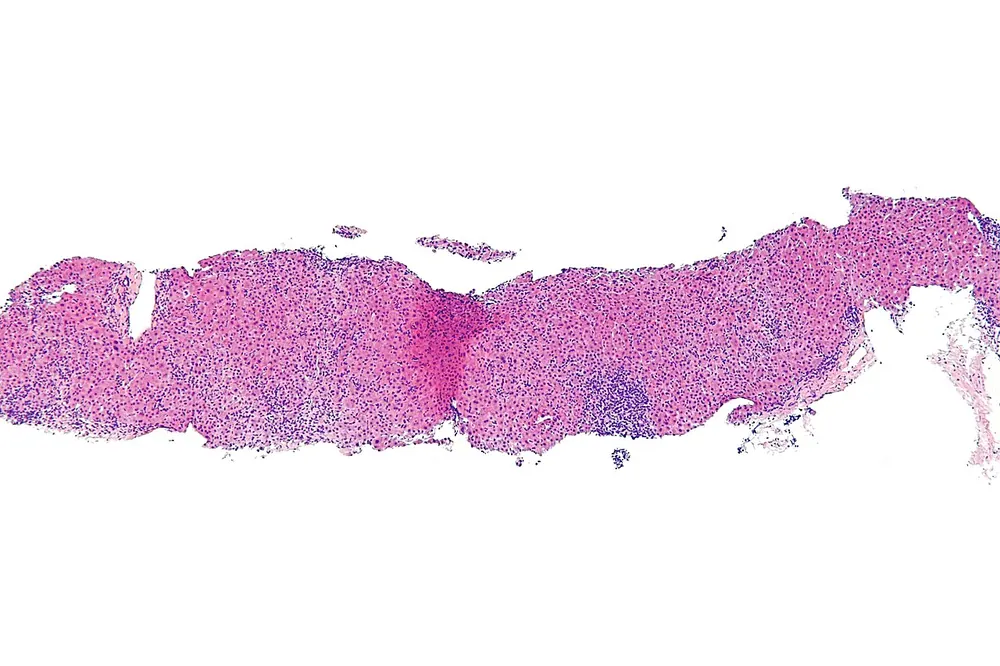
- Liver biopsy, usually needed to confirm the diagnosis and assess damage
Possible complications
- Cirrhosis
- Liver failure
- Portal hypertension and varices
- Liver cancer (in cirrhosis)
- Side effects of long-term treatment: bone thinning, diabetes, infections
Goals of treatment
Treatment aims to achieve and maintain remission, prevent progression to cirrhosis, and minimise side effects of treatment.
Medicines
- Prednisolone or budesonide to induce remission
- Azathioprine for maintenance
- Mycophenolate mofetil as an alternative
- Tacrolimus, ciclosporin or other agents for difficult cases
- Calcium and vitamin D to protect bones during steroid treatment
Other treatments
- Liver transplantation for acute liver failure or end-stage liver disease
- Vaccination against hepatitis A and B
- Surveillance for liver cancer in cirrhosis
Living with it and prevention
- Take medicines exactly as prescribed
- Avoid alcohol
- Avoid unnecessary medicines and herbal supplements, and check with your doctor first
- Maintain a healthy weight
- Get vaccinated
- Attend regular blood tests
Monitoring and follow-up
Regular liver tests and IgG levels track response. Azathioprine requires blood count and liver monitoring. Bone density is checked during long-term steroid use. People with cirrhosis need ultrasound every six months.
Outlook
With treatment, most people achieve remission and have a good long-term outlook. Relapse is common if treatment is stopped. Untreated disease can lead to cirrhosis and liver failure.
Special considerations
- Children: often more aggressive and need specialist care
- Pregnancy: azathioprine and steroids can usually continue; flares can occur after delivery
- Older adults: may have milder symptoms but more cirrhosis at diagnosis