
Overview
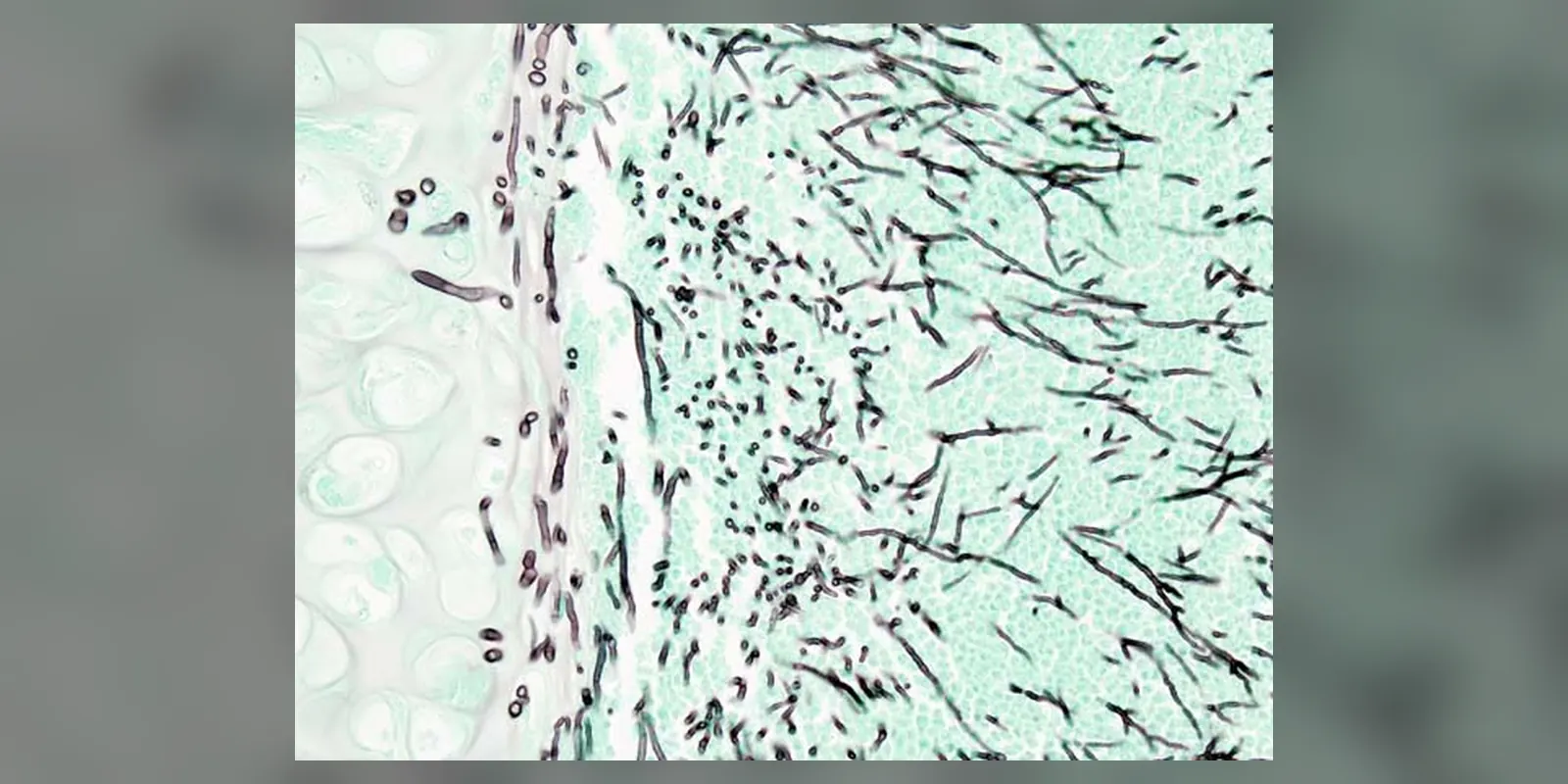
Aspergillosis is a group of conditions caused by Aspergillus, a common mould found in soil, decaying plants, compost, dust and buildings. Most people breathe in Aspergillus spores every day without any problems, because the immune system clears them.
In some people, however, the mould causes illness. People with asthma or cystic fibrosis can develop allergic reactions. People with damaged lungs, for example from tuberculosis or COPD, can develop long-term infections and fungal balls. People with severely weakened immune systems, such as those having chemotherapy or a transplant, can develop invasive aspergillosis, a serious infection that can spread beyond the lungs. Treatment depends on the type and includes antifungal medicines, steroids and sometimes surgery.
When to get urgent help
Seek urgent care for coughing up a large amount of blood, severe breathlessness, or persistent fever in someone with a weakened immune system.
Causes and risk factors
- Breathing in Aspergillus spores, most often Aspergillus fumigatus
- Risk factors depend on the type:
- Allergic forms: asthma, cystic fibrosis
- Chronic pulmonary aspergillosis: previous tuberculosis, COPD, sarcoidosis, lung cavities or scarring
- Invasive aspergillosis: chemotherapy with low neutrophils, leukaemia, stem cell or organ transplant, long-term high-dose steroids, severe influenza or COVID-19 in intensive care, advanced HIV
How it develops (pathophysiology)
Normal defence against Aspergillus
Aspergillus releases tiny spores (conidia) that easily reach the small airways. The lungs clear them through:
- Mucociliary clearance, sweeping spores out of the airways
- Alveolar macrophages, which engulf and kill spores
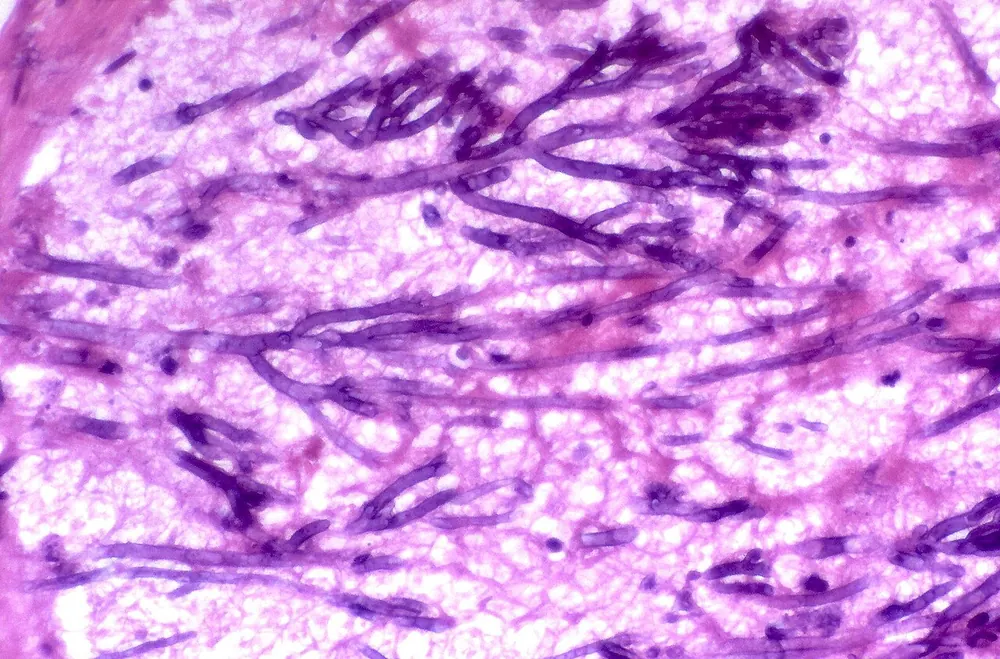
- Neutrophils, which attack any spores that start to grow into thread-like hyphae
What goes wrong
The type of aspergillosis depends on the balance between the fungus and the host's immune response:
Allergic bronchopulmonary aspergillosis (ABPA):
- In people with asthma or cystic fibrosis, spores germinate in thick mucus.
- The immune system mounts an exaggerated Th2 allergic response, producing IgE antibodies and recruiting eosinophils.
- This causes airway inflammation, mucus plugging and, over time, widened damaged airways (bronchiectasis).
Aspergilloma and chronic pulmonary aspergillosis:
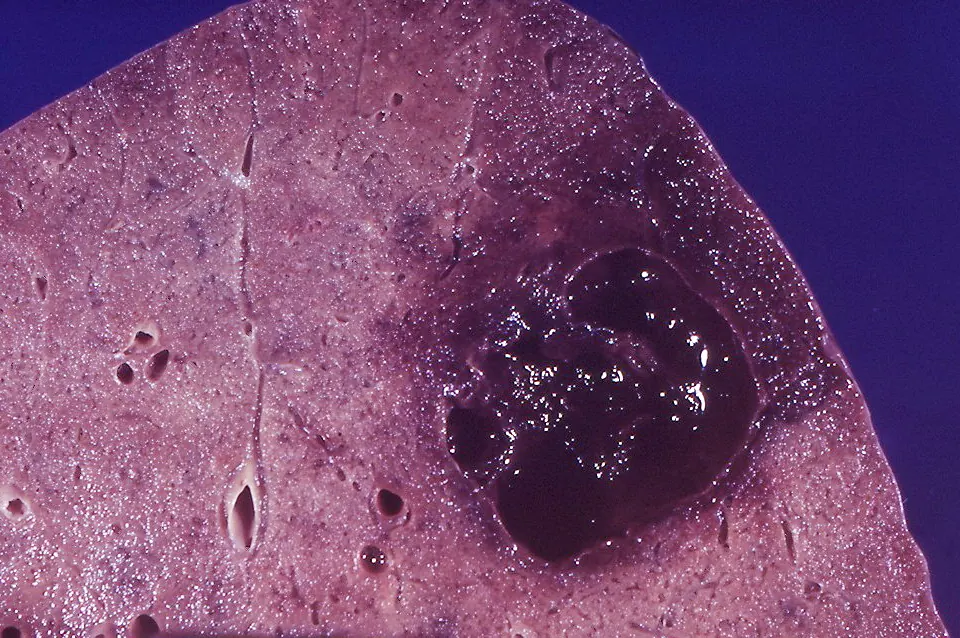
- In people with existing lung cavities, such as after tuberculosis, the fungus grows inside the cavity, forming a ball of hyphae, mucus and debris (aspergilloma).
- In chronic cavitary forms, the fungus slowly invades surrounding tissue, causing new cavities, scarring and inflammation over months to years.
- Blood vessels in the cavity wall can erode, causing coughing up blood (haemoptysis).
Invasive aspergillosis:
- When neutrophils are absent or immune function is severely impaired, hyphae grow freely.
- Hyphae invade blood vessels (angioinvasion), causing clots, tissue death (infarction) and bleeding in the lungs.
- The infection can spread through the blood to the brain, sinuses, skin and other organs.
Why the symptoms happen
- Wheeze and worsening asthma in ABPA reflect allergic airway inflammation.
- Coughing up brown plugs of mucus contains fungal elements and eosinophils.
- Coughing up blood results from eroded blood vessels in cavities.
- Weight loss, tiredness and chronic cough reflect long-term infection.
- Fever, chest pain and breathlessness in invasive aspergillosis result from tissue invasion and infarction.
How treatment acts on the mechanism
Steroids suppress the allergic inflammation in ABPA. Antifungal medicines such as itraconazole, voriconazole, posaconazole and isavuconazole block the fungus from making ergosterol, an essential part of its cell membrane, killing or stopping its growth. Amphotericin B binds to ergosterol, punching holes in the membrane. Echinocandins block cell wall formation. Surgery removes aspergillomas or damaged lung tissue. Restoring immunity, such as recovery of neutrophils, is crucial in invasive disease.
Types
- Allergic bronchopulmonary aspergillosis (ABPA)
- Severe asthma with fungal sensitisation
- Aspergilloma (fungal ball)
- Chronic pulmonary aspergillosis (chronic cavitary and fibrosing forms)
- Invasive aspergillosis
- Aspergillus sinusitis and ear infection
Signs and symptoms
Allergic forms:
- Wheeze and breathlessness
- Worsening asthma
- Cough with brown mucus plugs
- Fever
Chronic pulmonary aspergillosis:
- Cough lasting months
- Coughing up blood
- Weight loss and tiredness
- Breathlessness
Invasive aspergillosis:
- Fever that does not respond to antibiotics
- Chest pain
- Cough and coughing up blood
- Breathlessness
- Headache, sinus pain or neurological symptoms if spread
How it is diagnosed
- Blood tests: total IgE, Aspergillus-specific IgE and IgG antibodies, eosinophil count
- Galactomannan and beta-D-glucan tests in blood or lung fluid for invasive disease
- Sputum culture and PCR
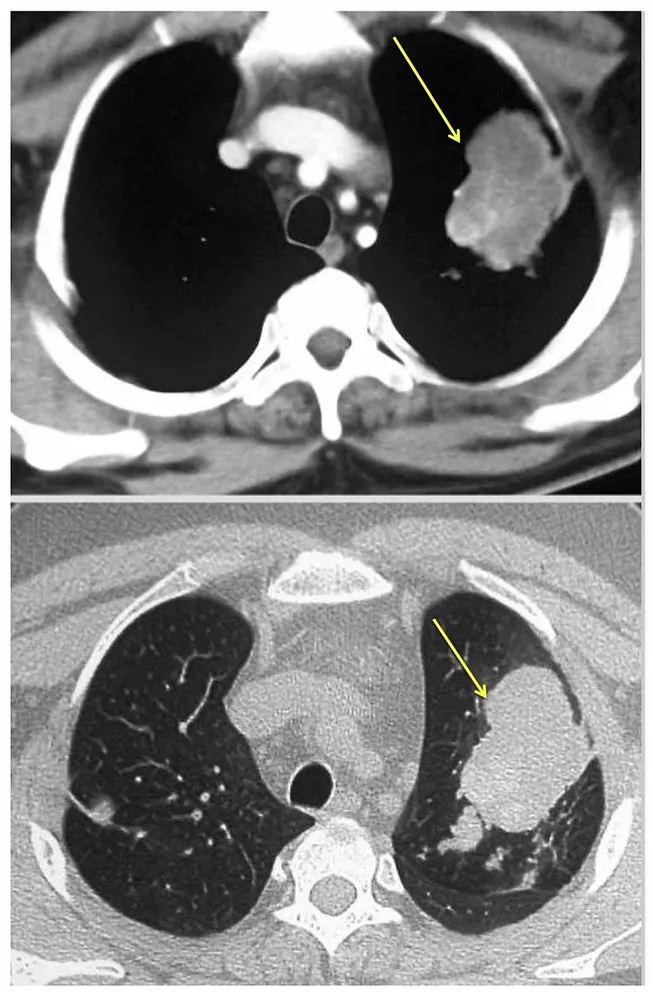
- Chest X-ray and CT scan: may show mucus plugs, cavities, fungal balls, or nodules with a surrounding halo
- Bronchoscopy with lavage
- Lung function tests in ABPA
- Biopsy in some cases
Possible complications
- Bronchiectasis and lung scarring
- Severe haemoptysis
- Respiratory failure
- Spread to the brain and other organs in invasive disease
- Death in invasive aspergillosis without treatment
Goals of treatment
Treatment aims to control allergic inflammation, stop fungal growth, prevent lung damage, and treat life-threatening infection quickly in high-risk patients.
Medicines
- Oral steroids for ABPA, sometimes with itraconazole
- Biologics such as omalizumab or mepolizumab in some cases of ABPA
- Itraconazole or voriconazole for chronic pulmonary aspergillosis, usually for months
- Voriconazole or isavuconazole as first-line for invasive aspergillosis
- Liposomal amphotericin B or echinocandins as alternatives
- Antifungal prophylaxis (such as posaconazole) for very high-risk patients
Other treatments
- Surgery to remove aspergillomas or damaged lung, especially with recurrent bleeding
- Bronchial artery embolisation for severe haemoptysis
- Reducing immunosuppression where possible
- Airway clearance physiotherapy in ABPA and bronchiectasis
Living with it and prevention
- People with weakened immunity should avoid compost, gardening, building sites and dusty environments
- Hospitals use HEPA-filtered rooms for very high-risk patients
- Keep asthma and cystic fibrosis well controlled
- Antifungal prophylaxis for some high-risk patients
Monitoring and follow-up
ABPA is monitored with IgE levels and lung function. Chronic and invasive aspergillosis are monitored with CT scans, antibody tests and antifungal drug levels. Liver function and drug interactions are checked during antifungal treatment.
Outlook
Allergic forms are usually well controlled with treatment. Chronic pulmonary aspergillosis often needs long-term antifungals. Invasive aspergillosis remains serious, but early diagnosis and modern antifungals have improved survival.
Special considerations
- People with leukaemia or transplants: highest risk of invasive disease
- People in intensive care with severe flu or COVID-19: increased risk
- People with cystic fibrosis and asthma: ABPA screening is recommended
- Antifungal resistance: increasing in some areas, linked to agricultural fungicide use