
Overview
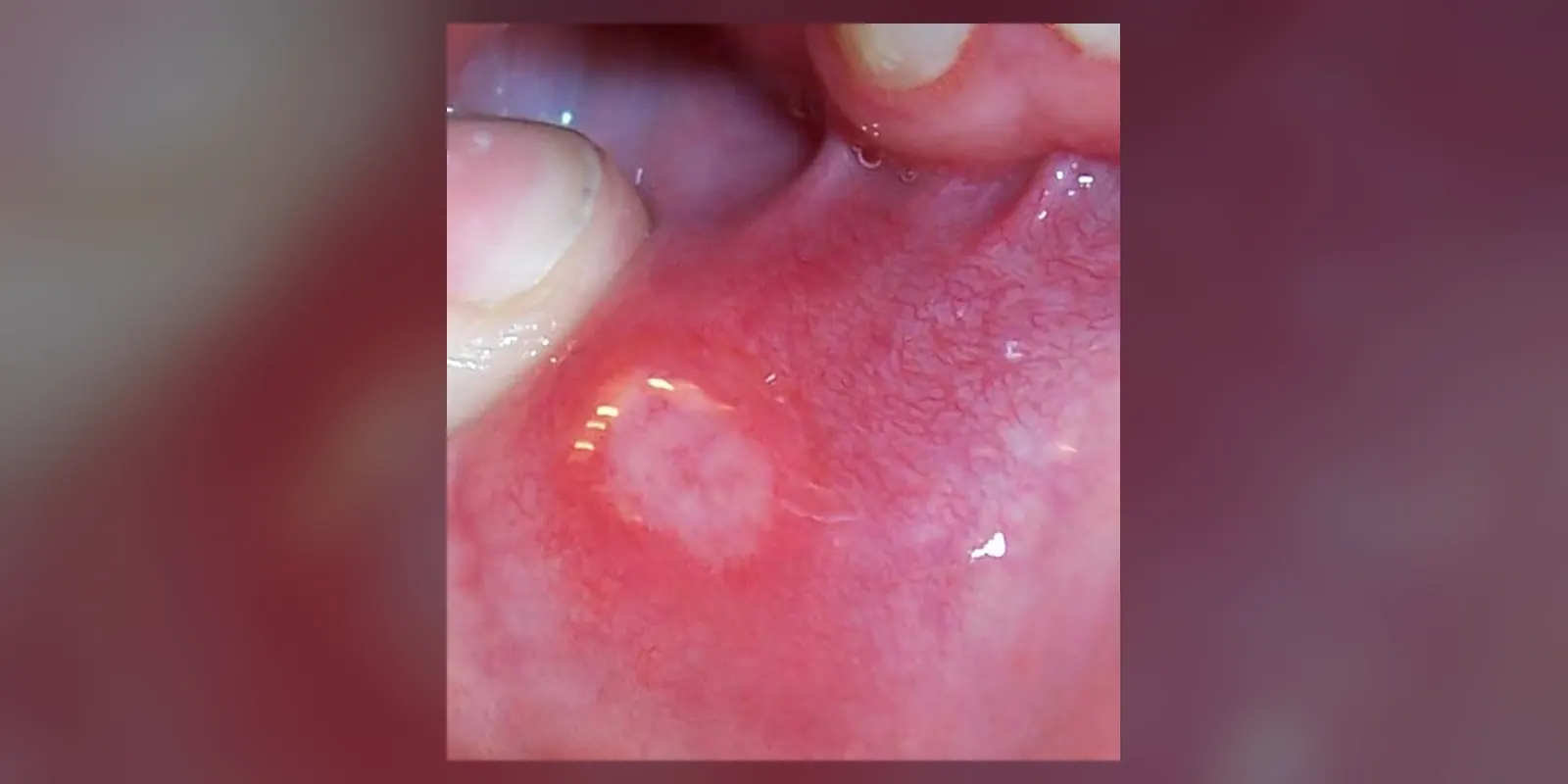
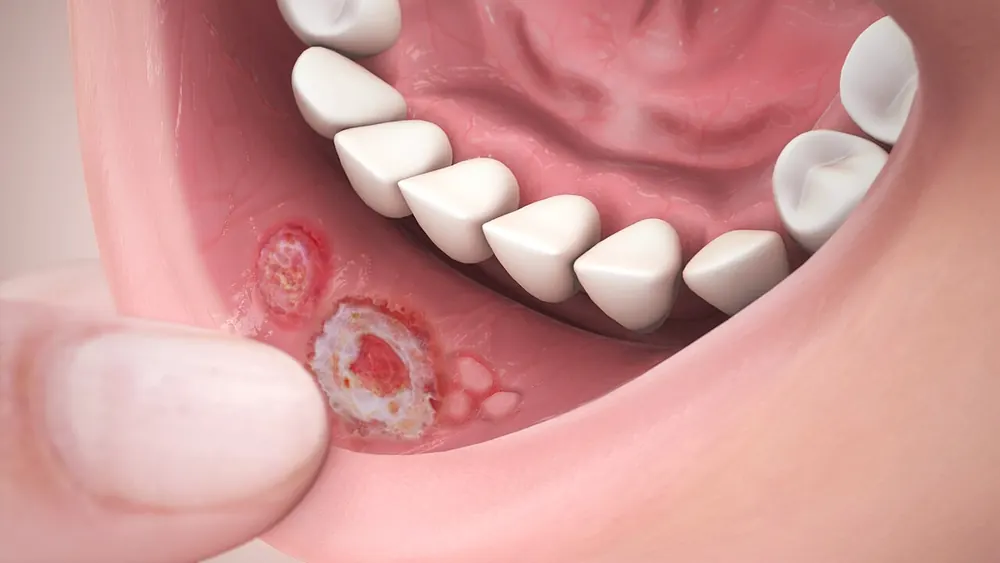
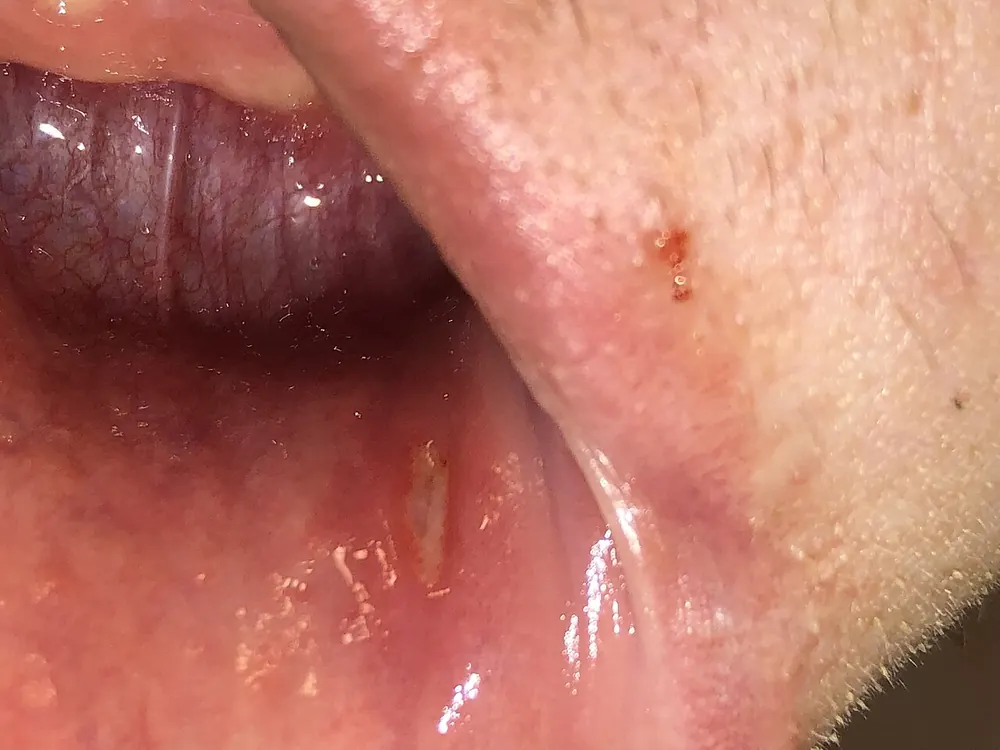
Recurrent aphthous stomatitis is the medical name for recurring mouth ulcers, often called canker sores. They are small, round or oval sores with a white or yellow centre and a red border that appear on the inside of the cheeks, lips, tongue or floor of the mouth.
They are very common, affecting up to one in five people, and often start in childhood or adolescence. Ulcers are painful, especially when eating, drinking or brushing teeth, but most heal on their own within one to two weeks without scarring. They are not contagious. Most people need only simple treatments to ease pain and speed healing, but frequent or severe ulcers may point to an underlying condition.
Although mouth ulcers are usually minor, they can affect eating, speaking and quality of life, particularly in people who get them frequently. Keeping a diary of when ulcers appear can help identify triggers.
When to get urgent help
See a doctor or dentist promptly for an ulcer that lasts longer than three weeks, is unusually large or painful, bleeds, or is accompanied by fever, weight loss, or ulcers elsewhere such as the genitals or eyes.
Causes and risk factors
The exact cause is unknown. Possible triggers and associations include:
- Minor injury to the mouth, such as biting the cheek or a sharp tooth
- Stress and anxiety
- Hormonal changes, such as around periods
- Family history
- Certain foods: acidic fruits, chocolate, coffee, nuts, spicy foods
- Toothpastes containing sodium lauryl sulphate
- Stopping smoking
- Nutritional deficiencies: iron, vitamin B12, folate, zinc
- Underlying conditions: coeliac disease, inflammatory bowel disease, Behçet's disease, HIV, and some immune disorders
How it develops (pathophysiology)
Normal mouth lining
The inside of the mouth is lined by a moist mucous membrane made of layers of epithelial cells. It renews quickly and is protected by saliva, which contains antibodies and antimicrobial proteins. Immune cells in the lining respond to injury and microbes.
What goes wrong
Aphthous ulcers are thought to result from an exaggerated immune response in the mouth lining:
- Trigger: minor injury, stress, hormones or food sensitivities disturb the lining.
- Immune activation: T lymphocytes and other immune cells gather in the area, releasing cytokines such as tumour necrosis factor alpha (TNF-alpha) and interleukin-2.
- Cell destruction: cytotoxic T cells attack epithelial cells, causing localised cell death.
- Ulcer formation: the surface breaks down, exposing the deeper tissue, which becomes covered with a yellowish-grey layer of fibrin and dead cells. A red halo of inflammation surrounds it.
- Healing: over days, new epithelium grows in from the edges.
Genetic factors that affect immune responses help explain why ulcers run in families. Deficiencies of iron, B12 and folate weaken the lining's ability to repair.
Why the symptoms happen
- Tingling or burning before the ulcer appears reflects early inflammation.
- Pain comes from exposed nerve endings in the ulcer base.
- White or yellow centre is the fibrin covering.
- Red border reflects surrounding inflammation.
- Pain when eating occurs as food irritates the exposed tissue.
How treatment acts on the mechanism
Antiseptic mouthwashes reduce secondary bacterial infection. Local anaesthetic gels numb nerve endings. Topical steroids reduce the local immune reaction, speeding healing. Correcting deficiencies helps the lining repair. In severe cases, colchicine or other systemic medicines modulate the immune response.
Ulcers appear in non-keratinised areas of the mouth, such as the inner cheeks, lips and floor of the mouth, because these thinner, more delicate linings are less protected than the gums and hard palate. Hormonal and stress-related changes alter immune activity, which may explain flares around periods and during stressful times. Some people with ulcers have an imbalance in the bacteria of the mouth, which may contribute to triggering the immune reaction.
Types
- Minor aphthous ulcers: small (under 1 cm), heal in 7 to 14 days without scarring; about 80 percent of cases
- Major aphthous ulcers: larger, deeper, last weeks and may scar
- Herpetiform ulcers: many tiny ulcers that may merge
Signs and symptoms
- Round or oval sores inside the mouth, usually under 1 cm
- White, grey or yellow centre with a red border
- Pain, especially when eating spicy, salty or acidic foods
- Tingling or burning before the ulcer appears
- Ulcers recur from a few times a year to almost constantly
How it is diagnosed
- Examination of the mouth
- Blood tests for iron, B12, folate, and coeliac disease if ulcers are frequent or severe
- Further tests for inflammatory bowel disease, Behçet's disease or HIV if other symptoms are present
- Biopsy of an ulcer that does not heal within three weeks, to rule out cancer
Possible complications
- Pain and difficulty eating
- Weight loss in severe cases
- Scarring from major ulcers
- Secondary infection
Goals of treatment
Treatment aims to relieve pain, speed healing, reduce recurrence and identify any underlying cause.
Medicines
- Antiseptic or anti-inflammatory mouthwashes, such as chlorhexidine or benzydamine
- Local anaesthetic gels, such as lidocaine
- Topical steroids, such as hydrocortisone pellets or beclometasone spray dissolved in the mouth
- Supplements for iron, B12 or folate deficiency
- Colchicine or other medicines for severe recurrent ulcers, under specialist advice
Other treatments
- Use a soft toothbrush
- Avoid foods that trigger ulcers
- Use toothpaste free of sodium lauryl sulphate
- Treat sharp teeth or dental appliances
Living with it and prevention
- Identify and avoid trigger foods
- Manage stress
- Keep good oral hygiene
- Avoid injury to the mouth
- Eat a balanced diet
Monitoring and follow-up
People with frequent or severe ulcers may need periodic blood tests. Any ulcer lasting more than three weeks needs review.
Outlook
Recurrent aphthous ulcers are harmless and usually become less frequent with age. Most heal within two weeks.
Special considerations
- Children: common; may be linked to coeliac disease or deficiencies
- Ulcers with genital ulcers and eye inflammation: may indicate Behçet's disease
- Smokers who quit: may notice more ulcers temporarily