Overview
Anthrax is a rare but serious infection caused by the bacterium Bacillus anthracis. The bacteria form hardy spores that can survive in soil for decades. Anthrax mainly affects grazing animals such as cattle, sheep and goats. People usually catch it through contact with infected animals or animal products, such as hides, wool or meat.
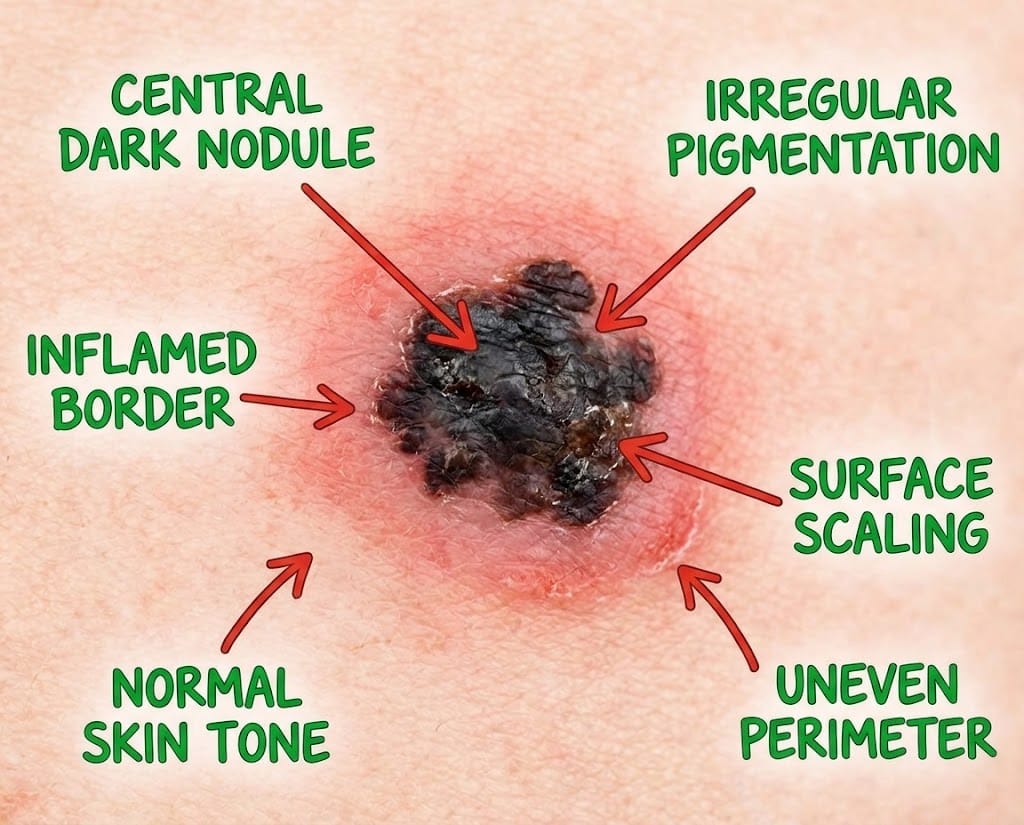
The illness depends on how the spores enter the body. The most common form, cutaneous anthrax, affects the skin and causes a painless ulcer with a black centre. Inhalation, gastrointestinal and injection anthrax are much more dangerous. Anthrax does not usually spread from person to person. It is treatable with antibiotics, especially when started early, and vaccines are available for people at high risk.
When to get urgent help
Seek emergency help for breathlessness, chest pain, confusion or collapse after possible exposure, or for a skin ulcer with a black centre and swelling after contact with animals or animal products.
Causes and risk factors
- Contact with infected animals or their products: hides, wool, hair, bones
- Eating undercooked meat from infected animals
- Inhaling spores, for example during processing of contaminated wool or hides, or in deliberate release (bioterrorism)
- Injecting contaminated heroin (injection anthrax)
- High-risk occupations: farmers, vets, butchers, tanners, wool workers, laboratory workers
- Most common in parts of Africa, Asia, the Middle East and southern Europe
How it develops (pathophysiology)
The bacterium
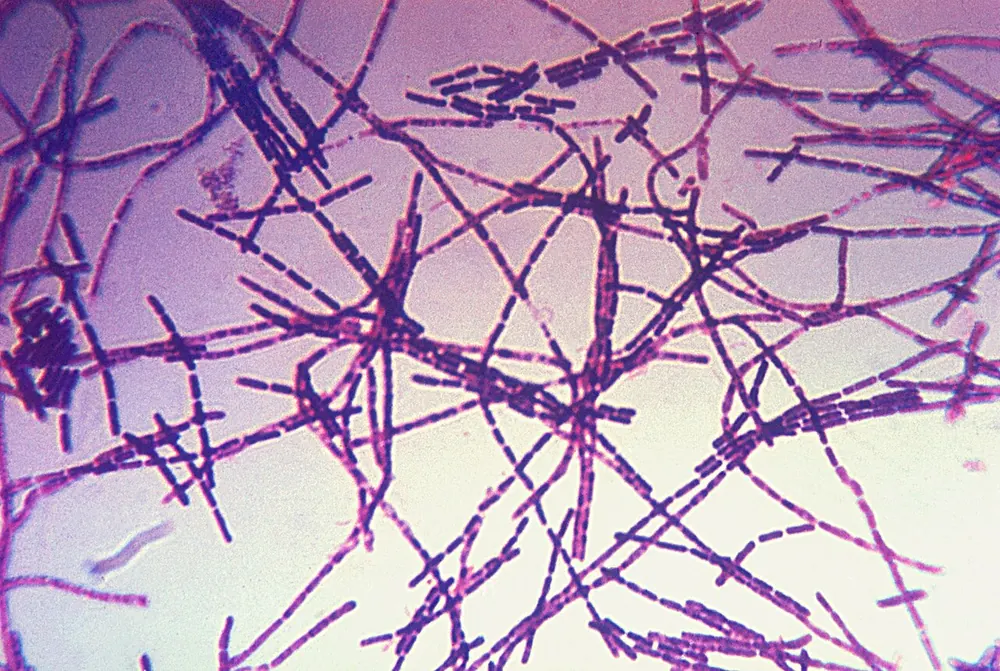
Bacillus anthracis is a rod-shaped bacterium that forms tough spores when nutrients are scarce. Spores resist heat, drying and disinfectants and remain viable in soil for many years. When spores enter the body, they germinate into active bacteria that multiply rapidly.
The bacterium's harmful effects come from two main features:
- A protective capsule, which stops immune cells from engulfing it
- Anthrax toxin, made of three parts:
- Protective antigen, which binds to cells and forms a channel
- Lethal factor, which disrupts signalling inside cells, killing immune cells and damaging blood vessels
- Oedema factor, which raises cAMP inside cells, causing massive fluid leakage and swelling
What goes wrong
Cutaneous anthrax: spores enter through a cut or scratch. Bacteria multiply locally and release toxin, causing swelling (oedema) and tissue death. A painless ulcer with a black scab (eschar) forms. Usually, the infection stays local, but it can spread to the bloodstream.
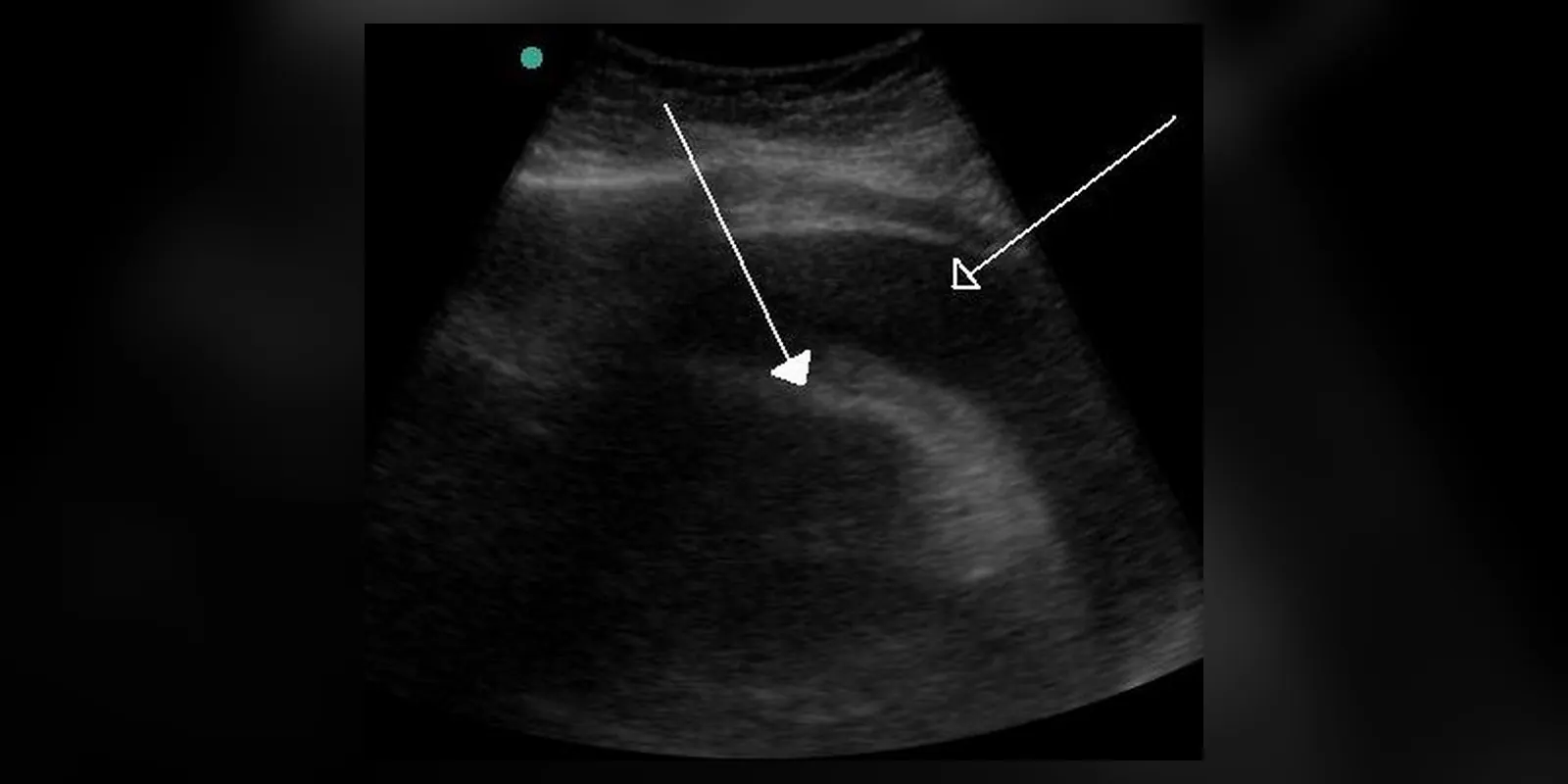
Inhalation anthrax: spores are breathed into the lungs and taken up by immune cells, which carry them to the lymph nodes in the chest. There they germinate, multiply and release toxin, causing bleeding and swelling of the lymph nodes (haemorrhagic mediastinitis), fluid around the lungs and rapid spread into the bloodstream.
Gastrointestinal anthrax: bacteria invade the gut lining, causing ulcers, bleeding and swelling.
Injection anthrax: causes severe soft tissue infection and swelling at the injection site.
Why the symptoms happen
- Painless black ulcer reflects tissue death from toxin, and the lack of pain is due to nerve damage.
- Extensive swelling around lesions comes from oedema factor.
- Fever, chest pain and breathlessness in inhalation anthrax result from mediastinal inflammation and pleural effusions.
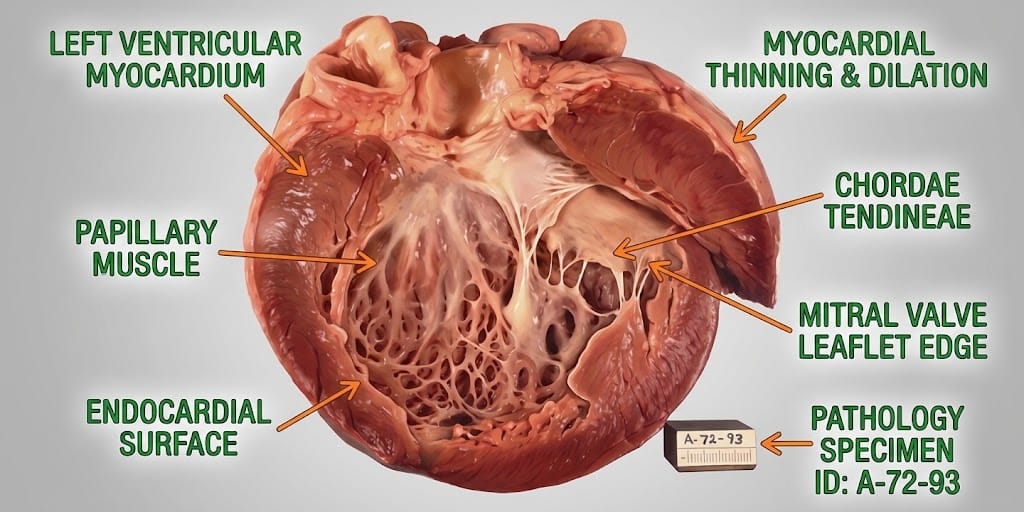
- Shock results when toxin damages blood vessels and the heart throughout the body.
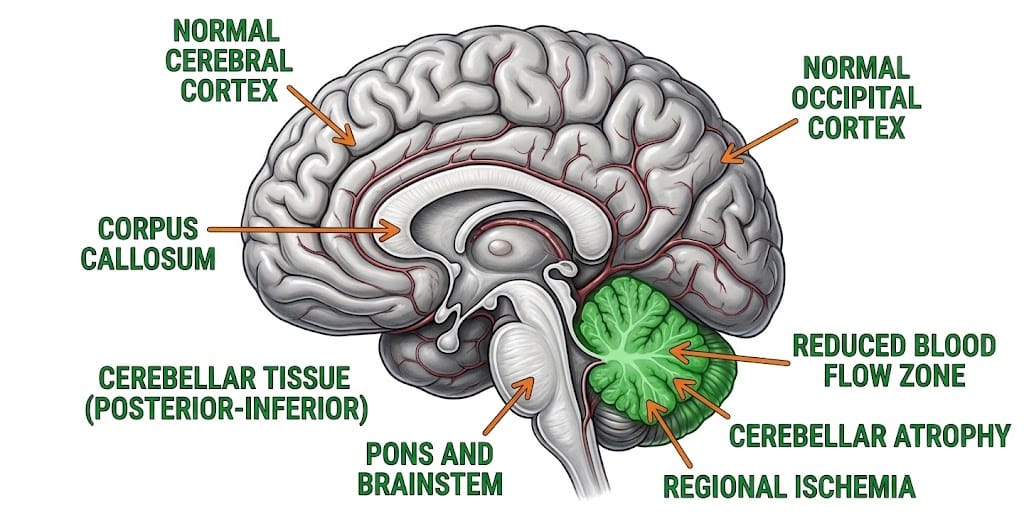
- Meningitis occurs if bacteria reach the brain.
How treatment acts on the mechanism
Antibiotics such as ciprofloxacin, doxycycline, penicillin and combinations kill the bacteria. In systemic disease, antitoxin antibodies (raxibacumab, obiltoxaximab) neutralise protective antigen, blocking toxin entry into cells, because toxin already released continues to cause damage even after bacteria are killed. Vaccines prompt the immune system to produce antibodies against protective antigen.
Types
- Cutaneous anthrax: about 95 percent of cases
- Inhalation anthrax: rare but very dangerous
- Gastrointestinal anthrax: from eating contaminated meat
- Injection anthrax: in people who inject drugs
Signs and symptoms
Cutaneous:
- A small itchy bump that becomes a painless ulcer with a black centre
- Swelling around the sore
- Swollen lymph glands
- Fever and tiredness in some people
Inhalation:
- Flu-like symptoms: fever, cough, tiredness, muscle aches
- Followed by severe breathlessness, chest pain, confusion and shock
Gastrointestinal:
- Nausea, vomiting (sometimes with blood), abdominal pain, bloody diarrhoea, swollen abdomen
Injection:
- Severe swelling and redness at the injection site, without much pain
How it is diagnosed
- History of exposure to animals, animal products or possible bioterrorism
- Swab or biopsy of skin lesions for culture, PCR and staining
- Blood cultures
- Chest X-ray or CT, which may show a widened mediastinum and pleural effusions
- Lumbar puncture if meningitis is suspected
- Public health notification, as anthrax is a notifiable disease
Possible complications
- Spread to the bloodstream (sepsis)
- Meningitis
- Respiratory failure
- Shock and death
- Scarring from cutaneous lesions
Goals of treatment
Treatment aims to kill the bacteria, neutralise toxin, support the body through severe illness, and prevent further cases.
Medicines
- Cutaneous anthrax: oral antibiotics such as ciprofloxacin or doxycycline
- Systemic anthrax: intravenous combination antibiotics
- Antitoxin (raxibacumab or obiltoxaximab) for inhalation or severe disease
- Post-exposure prophylaxis: antibiotics plus vaccine for people exposed to spores
Other treatments
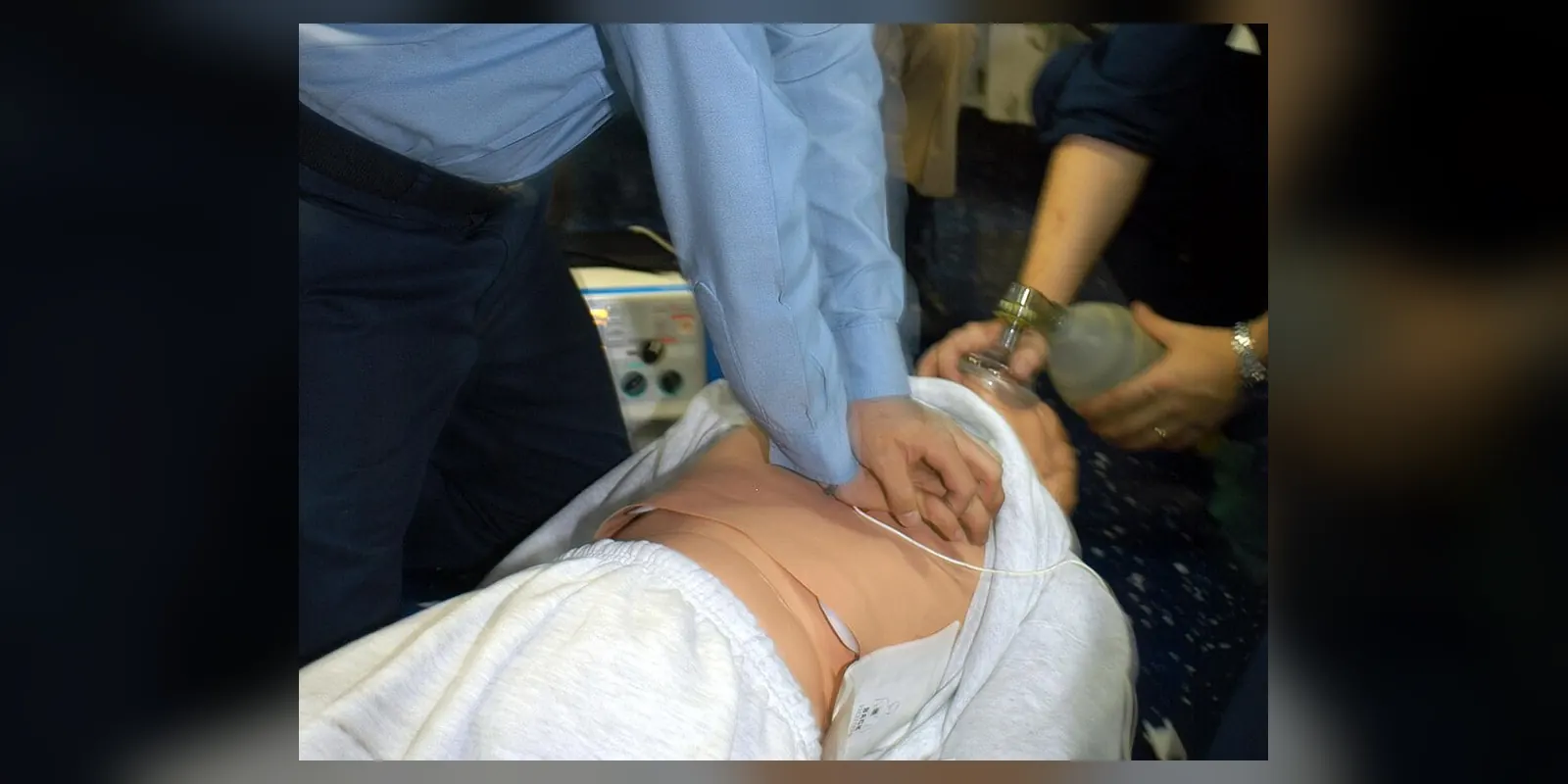
- Intensive care support
- Drainage of pleural fluid
- Surgical debridement for injection anthrax
- Wound care for skin lesions
Living with it and prevention
- Vaccinate livestock in affected areas
- Avoid handling or eating meat from animals that died suddenly
- Cook meat thoroughly
- Wear protective equipment when handling animal products in high-risk settings
- Anthrax vaccine for laboratory workers, some military personnel and other high-risk groups
- Report suspected cases in animals or people to authorities
Monitoring and follow-up
People with anthrax are monitored closely in hospital. After exposure, people on prophylaxis are monitored for symptoms for up to 60 days.
Outlook
Cutaneous anthrax is usually cured with antibiotics. Inhalation and gastrointestinal anthrax are often fatal without rapid treatment, though modern intensive care has improved survival.
Special considerations
- People who inject drugs: injection anthrax may resemble other soft tissue infections
- Children and pregnant women: antibiotic choices are adjusted
- Outbreaks: require public health investigation