
Overview
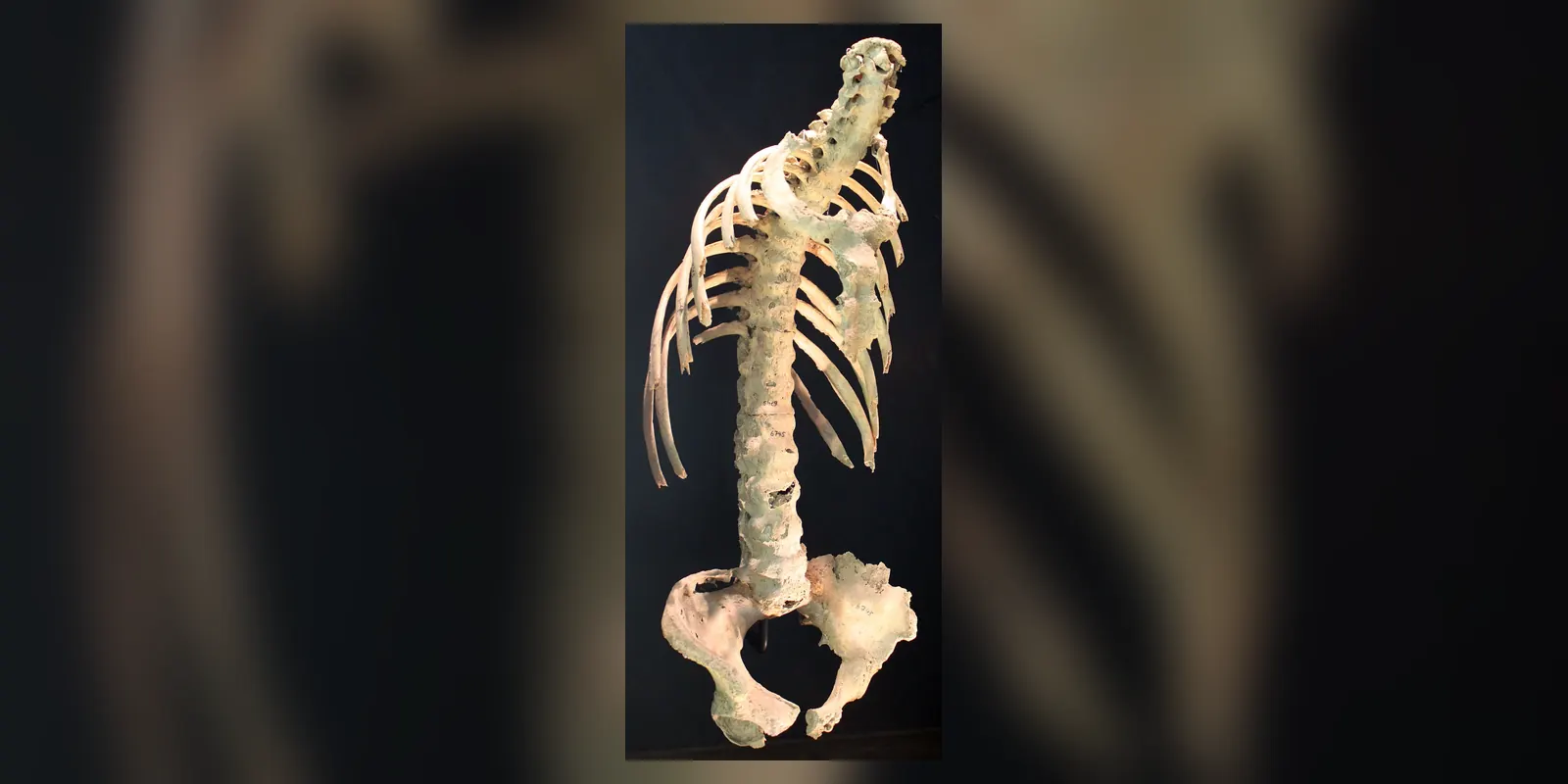
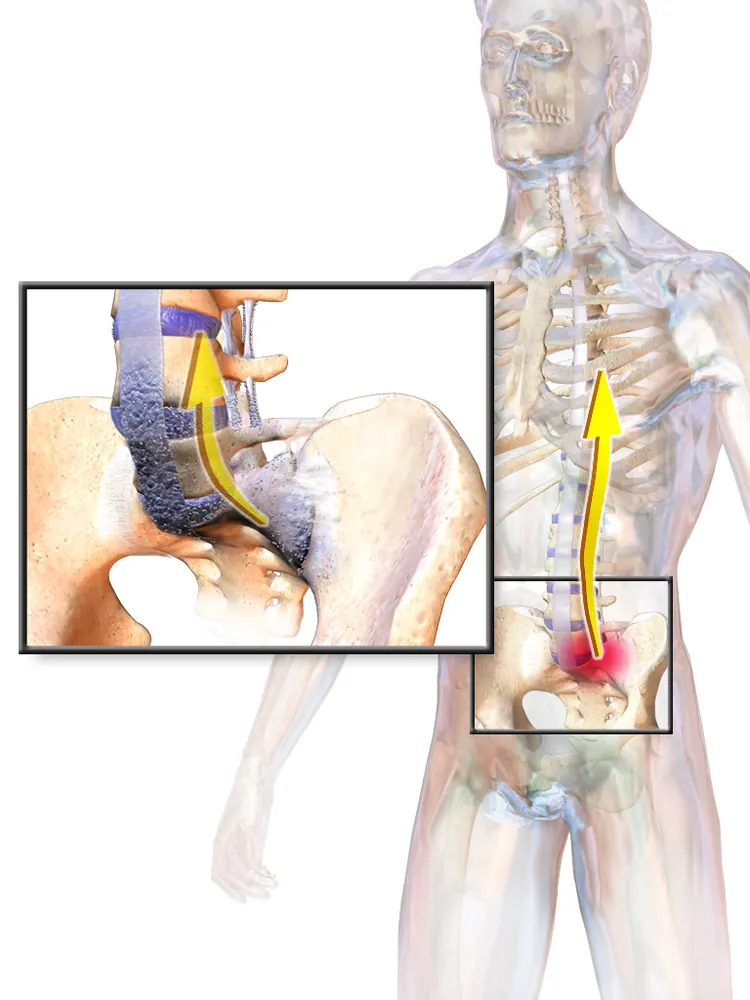
Ankylosing spondylitis (AS), now often called axial spondyloarthritis, is a long-term inflammatory condition that mainly affects the joints of the spine and the sacroiliac joints, where the spine meets the pelvis. It causes back pain and stiffness that are typically worse in the morning and after rest, and that improve with exercise.
It usually starts in late teens or early adulthood, often before age 45, and can affect other parts of the body, including the eyes, gut, skin, heels and other joints. In some people, long-standing inflammation causes the bones of the spine to fuse, reducing flexibility. There is no cure, but exercise, physiotherapy and medicines, including modern biologic treatments, can control symptoms and help prevent damage.
When to get urgent help
Seek urgent care for a painful red eye with blurred vision, new neck or back pain after a fall (possible fracture), or new weakness or numbness in the legs.
Causes and risk factors
- Genetics: strongly linked to the HLA-B27 gene, present in most people with AS, though most people with HLA-B27 never develop it
- Other genes, such as those involved in the interleukin-23 and interleukin-17 pathways
- Gut inflammation: links with inflammatory bowel disease and changes in gut bacteria
- Mechanical stress on entheses (where tendons and ligaments attach to bone)
- Family history
- Smoking is associated with more severe disease
How it develops (pathophysiology)
Normal structures involved
The spine is made of vertebrae connected by discs, small facet joints and ligaments. The sacroiliac joints link the spine to the pelvis. Entheses are the points where ligaments and tendons attach to bone; they absorb mechanical stress and contain specialised cells and small blood vessels.
What goes wrong
Ankylosing spondylitis is driven by inflammation that begins at the entheses and in the bone marrow next to joints:
- Immune activation: in genetically susceptible people, mechanical stress, gut bacteria or other triggers activate immune cells at entheses. HLA-B27 may misfold inside cells, triggering stress responses, or present bacterial or self proteins abnormally to immune cells.
- The IL-23/IL-17 axis: immune cells release interleukin-23, which stimulates T cells and other immune cells to produce interleukin-17 and tumour necrosis factor (TNF). These drive inflammation in bone marrow (osteitis) and entheses.
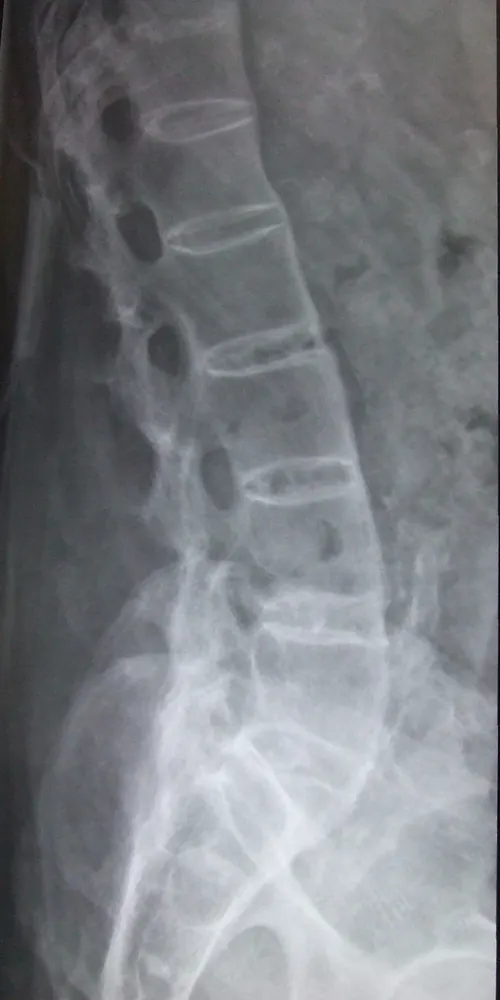
- Inflammation and erosion: inflammation causes swelling, pain and erosion of bone at the sacroiliac joints and vertebral corners, visible on MRI as bone marrow oedema.
- New bone formation: as inflammation settles, the body repairs damaged areas, but this repair is excessive. Signalling pathways such as Wnt and bone morphogenetic proteins stimulate new bone, forming bony bridges called syndesmophytes between vertebrae.
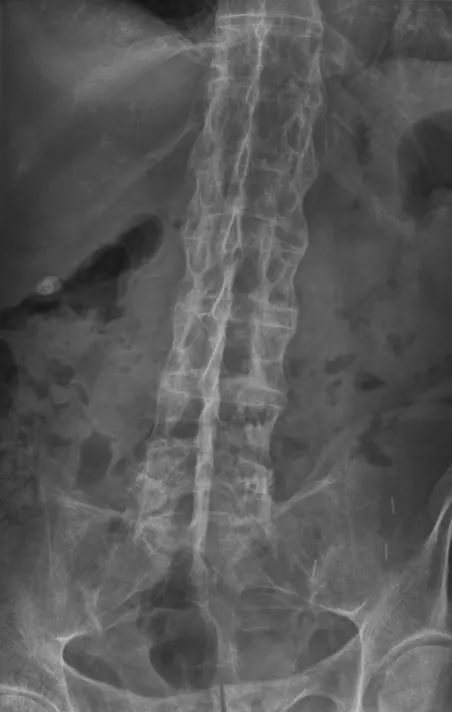
- Fusion (ankylosis): over many years, syndesmophytes can join vertebrae together, creating a rigid "bamboo spine", and the sacroiliac joints may fuse.
Why the symptoms happen
- Inflammatory back pain, worse after rest and better with exercise, reflects inflammation that builds up during inactivity and is relieved as movement improves blood flow and reduces stiffness.
- Morning stiffness lasting more than 30 minutes is typical of inflammation.
- Buttock pain, sometimes alternating sides, arises from sacroiliac joint inflammation.
- Heel pain occurs from enthesitis at the Achilles tendon or plantar fascia.
- Reduced spinal movement and stooped posture result from new bone formation and fusion.
- Fatigue is caused by inflammatory cytokines and poor sleep.
- Red, painful eye (uveitis) reflects the same immune process in the eye.
How treatment acts on the mechanism
Non-steroidal anti-inflammatory drugs (NSAIDs) block prostaglandin production, reducing pain and stiffness. Anti-TNF biologics (such as adalimumab, etanercept, infliximab) and IL-17 inhibitors (such as secukinumab, ixekizumab) block key inflammatory signals, controlling symptoms and MRI inflammation. JAK inhibitors block signalling inside immune cells. Exercise and physiotherapy maintain flexibility and posture, counteracting stiffness and fusion.
Types
Signs and symptoms
- Lower back and buttock pain lasting more than three months
- Stiffness, especially in the morning and after rest, improving with activity
- Pain that wakes you in the second half of the night
- Reduced flexibility of the spine
- Heel pain, chest wall pain or pain where tendons attach to bones
- Pain and swelling in other joints, such as hips, knees or ankles
- Fatigue
- Red, painful eye with light sensitivity (uveitis)
- Psoriasis or bowel symptoms in some people
How it is diagnosed
- History and examination, including spinal mobility tests
- Blood tests: inflammatory markers (CRP, ESR), HLA-B27
- X-rays of the sacroiliac joints and spine
- MRI of the sacroiliac joints and spine to detect early inflammation
- Referral to a rheumatologist
Diagnosis is often delayed for years because back pain is common.
Possible complications
- Spinal fusion and loss of movement
- Stooped posture
- Spinal fractures, even after minor injury, because the fused spine is brittle
- Osteoporosis
- Uveitis
- Heart problems, such as aortic valve regurgitation or heart block (uncommon)
- Reduced chest expansion
- Cardiovascular disease
Goals of treatment
Treatment aims to relieve pain and stiffness, maintain spinal flexibility and posture, prevent structural damage, and preserve quality of life and ability to work.
Medicines
- NSAIDs (such as ibuprofen, naproxen or etoricoxib), first-line
- Anti-TNF biologics: adalimumab, etanercept, infliximab, certolizumab, golimumab
- IL-17 inhibitors: secukinumab, ixekizumab, bimekizumab
- JAK inhibitors: tofacitinib, upadacitinib
- Steroid injections into inflamed joints or entheses
- Sulfasalazine for peripheral joint involvement
- Eye drops for uveitis
Other treatments
- Regular exercise: stretching, posture and aerobic activity
- Physiotherapy and hydrotherapy
- Posture awareness and an appropriate mattress and pillow
- Hip replacement for severe hip damage
- Spinal surgery in rare cases of severe deformity
Living with it and prevention
- Exercise daily, including stretching and deep breathing
- Stop smoking
- Maintain good posture
- Keep a healthy weight
- Protect bone health
- Seek prompt treatment for eye symptoms
- Join a support group or exercise class for people with spondyloarthritis
Monitoring and follow-up
Rheumatologists review disease activity using scores such as BASDAI and ASDAS, along with CRP. People on biologics need monitoring for infections. Eye, bone and heart health are also checked.
Outlook
Ankylosing spondylitis is lifelong, but most people lead full, active lives. Modern treatments greatly reduce symptoms, and staying active helps preserve mobility.
Special considerations
- Women: often diagnosed later, sometimes with more peripheral symptoms
- Pregnancy: some treatments are compatible with pregnancy and should be planned with a specialist
- Fused spine: any injury needs careful assessment for fractures