
Overview
Alcohol use disorder (AUD) is a medical condition in which a person has difficulty controlling or stopping their drinking, even though it is causing harm to their health, relationships, work or other responsibilities. It ranges from mild to severe. Severe alcohol use disorder is sometimes called alcohol dependence or alcoholism.
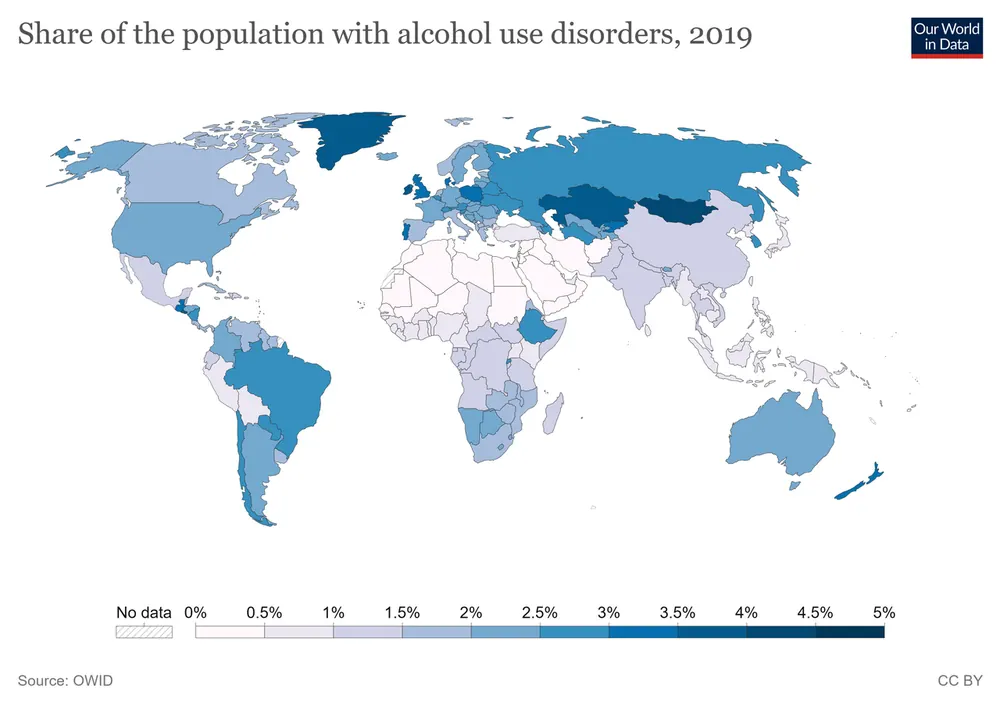
AUD is common worldwide and is a leading cause of preventable illness and death. Alcohol contributes to liver disease, heart disease, several cancers, accidents, violence and mental health problems. It also affects families, workplaces and communities.
AUD is a treatable condition, not a personal weakness. Many people recover through a combination of support, talking therapies, medicines and peer support. Reducing or stopping drinking brings health benefits at any stage. People who are physically dependent should not stop suddenly without medical advice because alcohol withdrawal can be dangerous.
When to get urgent help
Seek emergency help for:
- Confusion, hallucinations, severe shaking or seizures during withdrawal
- Vomiting blood or passing black stools
- Yellow skin or eyes with confusion or drowsiness
- Suspected alcohol poisoning: unconsciousness, slow or irregular breathing, vomiting while drowsy, cold or bluish skin
- Thoughts of suicide
Causes and risk factors
AUD develops through a combination of factors:
- Genetics: accounts for about half of the risk; variations in genes affecting alcohol metabolism (such as ADH1B and ALDH2) and brain reward pathways influence risk
- Family history of alcohol problems
- Starting to drink at an early age
- Drinking patterns: regular heavy drinking or binge drinking
- Mental health conditions, such as depression, anxiety, post-traumatic stress disorder and ADHD
- Stress, trauma and adverse childhood experiences
- Social and cultural factors: easy availability, low price, advertising, peer pressure and drinking cultures
- Personality traits such as impulsivity and sensation-seeking
- Occupational factors: jobs with long hours, stress or easy access to alcohol
How it develops (pathophysiology)
How alcohol acts in the body and brain
Alcohol (ethanol) is absorbed from the stomach and small intestine into the bloodstream and distributed throughout body water, reaching the brain within minutes. Most is broken down in the liver:
- Alcohol dehydrogenase (ADH) converts ethanol into acetaldehyde, a toxic compound.
- Aldehyde dehydrogenase (ALDH) converts acetaldehyde into acetate, which is used for energy.
- With regular heavy drinking, an additional system, CYP2E1 in the microsomal ethanol-oxidising system, increases, speeding up metabolism (metabolic tolerance) and producing reactive oxygen species.
In the brain, alcohol affects several neurotransmitter systems:
- It enhances GABA-A receptors, the brain's main inhibitory (calming) system, causing relaxation, sedation and reduced anxiety.
- It inhibits NMDA glutamate receptors, the main excitatory system, contributing to sedation and memory impairment (blackouts).
- It releases dopamine in the mesolimbic reward pathway, from the ventral tegmental area to the nucleus accumbens, producing pleasure and reinforcing drinking.
- It releases endogenous opioids (beta-endorphin) and affects serotonin and endocannabinoid systems, contributing to reward.
What goes wrong: the development of addiction
AUD develops as repeated drinking changes the brain over time. A widely used model describes a three-stage cycle:
1. Binge/intoxication stage (reward). Alcohol releases dopamine and opioids, producing pleasure. Through repeated pairing, environmental cues (places, people, times of day) become linked to alcohol's reward. Dopamine neurons begin firing in response to these cues rather than to alcohol itself, creating craving. Drinking shifts from a goal-directed behaviour to a habit, controlled increasingly by the dorsal striatum rather than the reward centre.
2. Withdrawal/negative affect stage (stress). With chronic exposure, the brain adapts to counteract alcohol's effects (neuroadaptation):
- GABA-A receptors become less sensitive and change their subunit makeup
- NMDA glutamate receptors increase in number and sensitivity
- The reward system becomes less responsive (reduced dopamine function), so everyday pleasures feel less rewarding
- Stress systems in the extended amygdala, involving corticotropin-releasing factor (CRF), dynorphin and noradrenaline, become overactive
When alcohol levels fall, the brain is left in a state of overexcitation and stress, causing withdrawal symptoms: anxiety, irritability, low mood, insomnia, sweating, tremor and, in severe cases, seizures and delirium. Drinking relieves these feelings, so it is now driven by negative reinforcement (avoiding discomfort) rather than pleasure.
3. Preoccupation/anticipation stage (craving and loss of control). The prefrontal cortex, which normally controls impulses, plans and weighs consequences, becomes impaired. Its "stop" system weakens while its "go" system (driven by cravings) strengthens. This makes it difficult to resist urges, even when the person wants to stop. Chronic alcohol also directly damages prefrontal neurons.
Tolerance develops through both metabolic changes (faster liver breakdown) and brain adaptations, so more alcohol is needed for the same effect.
Genetic and environmental influences
- People with a fast-acting form of ADH or a slow-acting form of ALDH (common in East Asian populations) build up acetaldehyde quickly, causing flushing, nausea and palpitations. This unpleasant reaction protects against heavy drinking.
- Genetic variations in GABA receptor subunits, opioid receptors and stress systems affect sensitivity to alcohol's rewarding and sedating effects. People with a low response to alcohol (needing more to feel effects) are at higher risk.
- Early drinking during adolescence, when the prefrontal cortex is still developing, increases vulnerability.
- Chronic stress and trauma sensitise the brain's stress systems, increasing the likelihood of drinking to relieve distress.
Why the symptoms happen
- Craving reflects conditioned dopamine responses to cues and the brain's altered reward set point.
- Loss of control over drinking results from impaired prefrontal function and habit-driven behaviour.
- Tolerance reflects metabolic and brain adaptation.
- Withdrawal symptoms arise from the overexcited brain when alcohol is removed.
- Continued drinking despite harm reflects the shift from reward-driven to compulsive behaviour.
- Neglect of activities and responsibilities occurs as drinking takes over and natural rewards feel less satisfying.
- Mood and anxiety symptoms reflect both stress-system changes and the direct effects of alcohol.
How complications develop
Alcohol and acetaldehyde damage many organs:
- Liver: fat accumulation, inflammation (alcoholic hepatitis), scarring (fibrosis and cirrhosis), and liver cancer, through acetaldehyde toxicity, oxidative stress and inflammation
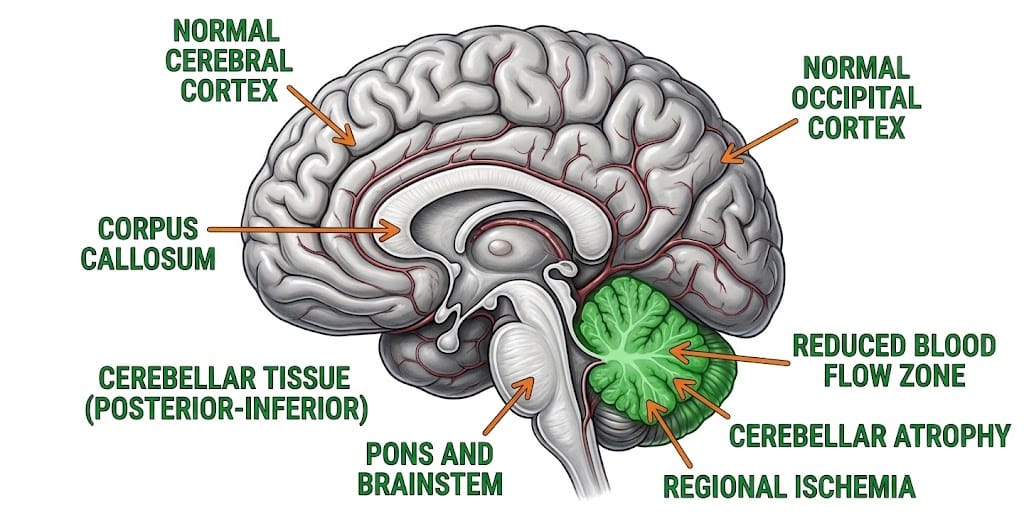
- Brain and nerves: brain shrinkage, cognitive impairment, Wernicke's encephalopathy and Korsakoff syndrome (due to thiamine deficiency), peripheral neuropathy and cerebellar degeneration
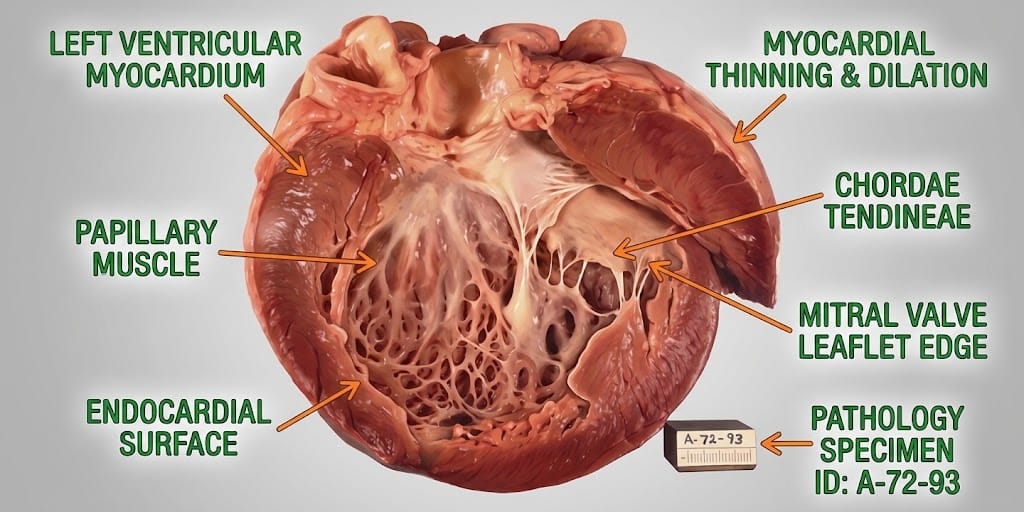
- Heart: high blood pressure, irregular heart rhythms (especially atrial fibrillation), and weakened heart muscle (alcoholic cardiomyopathy)
- Pancreas: acute and chronic pancreatitis
- Gut: gastritis, ulcers, oesophageal varices and malabsorption
- Cancer: acetaldehyde damages DNA and is classified as a carcinogen; alcohol increases risk of cancers of the mouth, throat, oesophagus, liver, bowel and breast
- Immune system: increased infections such as pneumonia and tuberculosis
- Bones and muscles: osteoporosis and muscle weakness
- Mental health: depression, anxiety and increased suicide risk
- Injuries: falls, road traffic accidents and violence
- Pregnancy: fetal alcohol spectrum disorder
How treatment acts on the mechanism
- Medically managed withdrawal (detoxification) with benzodiazepines, which act on GABA-A receptors in place of alcohol, then are tapered, preventing seizures and delirium. Thiamine prevents Wernicke's encephalopathy.
- Naltrexone blocks opioid receptors, reducing the rewarding "buzz" of alcohol and cravings.
- Nalmefene, another opioid modulator, can be taken on days when drinking is likely, to reduce consumption.
- Acamprosate is thought to rebalance glutamate and GABA signalling, reducing the overexcited state that drives relapse after stopping.
- Disulfiram blocks ALDH, causing acetaldehyde to build up if alcohol is consumed, producing unpleasant symptoms that deter drinking.
- Psychological therapies such as cognitive behavioural therapy, motivational interviewing and contingency management strengthen prefrontal control, build coping skills, identify triggers and support motivation.
- Mutual support groups provide social reinforcement and new non-drinking networks.
- Treating co-occurring mental health conditions reduces drinking to self-medicate.
Types
AUD is graded by the number of diagnostic criteria met over 12 months:
- Mild: 2 to 3 criteria
- Moderate: 4 to 5 criteria
- Severe: 6 or more criteria
Related terms include hazardous drinking (a pattern that increases risk of harm) and harmful drinking (drinking that is already causing physical or mental harm).
Signs and symptoms
- Drinking more or for longer than intended
- Wanting to cut down but being unable to
- Spending a lot of time drinking or recovering
- Strong cravings for alcohol
- Failing to meet responsibilities at work, school or home
- Continuing to drink despite relationship problems
- Giving up activities to drink
- Drinking in dangerous situations, such as driving
- Continuing despite physical or mental health problems
- Needing more alcohol for the same effect (tolerance)
- Withdrawal symptoms such as shaking, sweating, anxiety, nausea or insomnia when not drinking
- Drinking in the morning to relieve symptoms
How it is diagnosed
- Conversation with a healthcare professional about drinking patterns, consequences and concerns
- Screening questionnaires, such as AUDIT or AUDIT-C
- Diagnostic criteria (such as DSM-5-TR or ICD-11)
- Blood tests: liver tests (including GGT), full blood count (raised MCV), and sometimes carbohydrate-deficient transferrin or phosphatidylethanol (PEth) to assess recent drinking
- Physical examination for signs of liver disease or other complications
- Assessment of withdrawal risk and mental health
Possible complications
- Liver disease, including cirrhosis and liver cancer
- Pancreatitis
- Heart disease and high blood pressure
- Cancers
- Brain damage and memory problems
- Nerve damage
- Depression, anxiety and suicide
- Accidents and injuries
- Relationship, work and financial problems
- Alcohol withdrawal seizures and delirium tremens
- Fetal alcohol spectrum disorder in pregnancy
Goals of treatment
Treatment aims to reduce or stop drinking safely, manage withdrawal, prevent relapse, treat physical and mental health complications, and help the person rebuild relationships, work and quality of life.
Medicines
- Benzodiazepines (such as chlordiazepoxide or diazepam) for managed withdrawal under medical supervision
- Thiamine (vitamin B1) to prevent and treat Wernicke's encephalopathy
- Naltrexone to reduce cravings and heavy drinking
- Acamprosate to help maintain abstinence
- Disulfiram for selected people committed to abstinence
- Nalmefene to reduce drinking
- Treatment of depression or anxiety, where needed
Other treatments
- Brief interventions for hazardous drinking
- Motivational interviewing
- Cognitive behavioural therapy
- Contingency management
- Family or couples therapy
- Mutual aid groups, such as Alcoholics Anonymous or SMART Recovery
- Residential rehabilitation for some people
- Social support: help with housing, employment and finances
Living with it and prevention
- Know the recommended low-risk drinking guidelines in your country and stay within them
- Have several alcohol-free days each week
- Avoid binge drinking
- Find other ways to manage stress, such as exercise, hobbies and talking to others
- Delay drinking in teenagers
- Avoid alcohol completely in pregnancy
- Seek help early if you are worried about your drinking
During recovery:
- Identify triggers and plan how to manage them
- Build a supportive, alcohol-free social network
- Keep busy with meaningful activities
- Get help quickly after a lapse; it is a common part of recovery, not failure
Monitoring and follow-up
Ongoing follow-up supports recovery and monitors for relapse. Liver function, blood pressure and other health problems are reviewed. Medicines for relapse prevention are usually continued for at least six months. Mental health is monitored.
Outlook
Recovery is possible, and many people stop or reduce drinking successfully, though it may take more than one attempt. Health improves after stopping: liver damage can partly reverse in early stages, blood pressure falls and mood often improves. Severe complications, such as cirrhosis, may be irreversible.
Special considerations
- Older adults: more sensitive to alcohol and more likely to have interactions with medicines
- Pregnancy: no safe level of alcohol is known; support to stop is a priority
- Young people: early intervention is important as the brain is still developing
- People with liver disease: some medicines (such as naltrexone in advanced liver disease, or disulfiram) may not be suitable
- People experiencing homelessness: need integrated health and social care