Transmission of Syphilis
Syphilis is primarily transmitted through contact with moist skin areas on or inside the body. This can occur through unprotected sexual activities (vaginal, anal, or oral) without a condom, anogenital contact, sharing unclean or uncovered sex toys, or genital contact without penetration, orgasm, or ejaculation. Syphilis can also be passed from mother to child during pregnancy or childbirth and can facilitate the transmission and acquisition of HIV.
Symptoms and Stages of Syphilis
The symptoms of syphilis may not be noticeable in the initial stages of infection. The infection typically progresses through three stages:
1. Primary Syphilis
Within 10 days to 3 months after infection, a small painless sore appears at the site of infection (penis, vagina, anus, rectum, tongue, or lips). This sore is called a chancre and usually heals within 2 to 6 weeks. If left untreated, the infection progresses to the next stage. Swollen lymph glands may also accompany this stage.
2. Secondary Syphilis
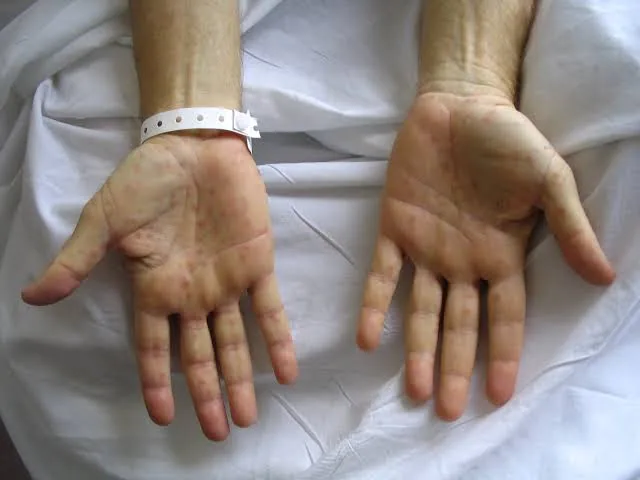
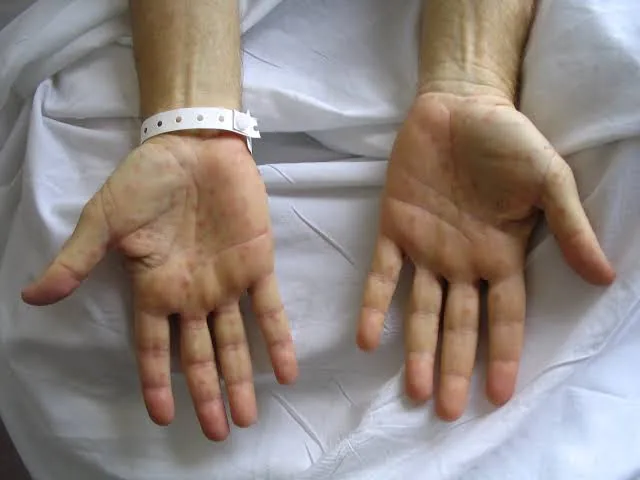
Symptoms appear a few weeks after the initial sore heals and may include a non-itchy rash (often on palms or soles), fatigue, headaches, and swollen lymph glands. Other less common symptoms include fever, weight loss, patchy hair loss, and joint pains. These symptoms may come and go over a period of months.
3. Latent Syphilis
This stage of syphilis has no apparent symptoms but the infection persists. However, transmission is still possible during the first year of this stage. After a few years, the risk of transmission decreases, but the infection remains in the body.
4. Tertiary Syphilis
If left untreated, syphilis can progress to its most dangerous stage, called tertiary syphilis. This can occur years or decades after the initial infection and can affect various parts of the body, including the brain, nerves, eyes, heart, skin, and blood vessels. The symptoms at this stage can be life-threatening and may include stroke, dementia, loss of coordination, numbness, paralysis, blindness, deafness, heart disease, and skin rashes.
Diagnosis and Treatment.
Syphilis is diagnosed through blood tests, with same-day testing available in some clinics for symptomatic cases. Early-stage syphilis is easily treatable with antibiotics, typically penicillin. However, late-stage treatment can stop the progression of the disease but cannot reverse any organ damage. Regular blood tests are necessary to confirm the clearance of the infection after treatment.
Preventing Transmission.
During treatment for syphilis, it is essential to avoid all sexual activities and intimate contact until tests confirm that the infection has cleared. It is also crucial for partners to get tested and treated if necessary to prevent further transmission.
Syphilis in Pregnancy
Pregnant women are routinely tested for syphilis as untreated syphilis can cause severe birth defects, miscarriages, or stillbirths. However, if diagnosed early and treated promptly with antibiotics,
Treat Syphilis: A Guide On Treating And Preventing Syphilis: Can Ly Mphshamei Cure Syphilis can be safely managed during pregnancy to protect both the mother and baby.
Prevention
The most effective way to prevent syphilis and other sexually transmitted infections is by practicing safer sex. This includes using condoms for all types of sexual activities and avoiding intimate contact with someone who has an active infection.
Conclusion
Syphilis is a sexually transmitted infection that has been on the rise in recent years, mainly among certain groups, including men who have sex with men, individuals with sexual partners abroad, and those with multiple sexual partners. It is crucial to get tested regularly and practice safer sex to prevent the transmission of syphilis and other STIs. If you experience any symptoms or believe you may have been exposed to syphilis, seek medical attention and get tested as soon as possible. Early detection and treatment can prevent severe complications and protect your health. Remember, prevention is always better than cure.