


Step 1: Define Your Goals
Fitness without a goal is like driving without a destination. What do you want to achieve?
- Lose weight? Aim to burn more calories than you consume.
- Build strength? Focus on resistance training.
- Boost energy or manage stress? Cardio and mindfulness exercises can help.
Write your goals down. Be specific. Instead of “I want to get fit,” say, “I want to jog for 10 minutes without stopping in two weeks.” Clear goals fuel progress.

Step 2: Start Small, Think Big
Consistency beats intensity, especially at the start. Overdoing it leads to burnout or injury. Here’s a simple plan for beginners:
- Week 1-2: Walk 20–30 minutes daily or try light stretches.
- Week 3-4: Add 15 minutes of bodyweight exercises like squats, push-ups, or planks.
- Week 5: Try a new activity, cycling, swimming, or yoga.
Progress at your own pace. What matters is showing up every day.

Step 3: Find Your Fun
Enjoyment is the secret sauce of consistency. Hate running? Skip it. Love dancing? Turn up the music and groove. Options are endless:
- Join a beginner fitness class.
- Try a fitness app with guided workouts.
- Walk with friends or family to make it social.
The best workout is the one you’ll actually do.
Step 4: Stay Safe and Injury-Free
Injuries derail progress, so focus on safety:
- Warm-up: Spend 5 minutes doing light cardio to prepare your muscles.
- Form: Start with instructional videos or guidance from a trainer.
- Cool-down: Stretch after every session to improve recovery.
Listen to your body. Pain is your body’s way of saying, “Stop.”

Step 5: Fuel Your Success with Nutrition
Fitness and nutrition are a team. You can’t out-exercise a bad diet. Here’s how to start eating smarter:
- Focus on whole foods, vegetables, lean proteins, and whole grains.
- Hydrate like it’s your job. Aim for 2–3 liters of water daily.
- Plan balanced meals. A simple plate: 50% veggies, 25% lean protein, 25% whole grains.
Fuel your body for energy, not just for taste.
Step 6: Track and Celebrate Progress
Seeing progress keeps motivation alive. Here’s how to do it:
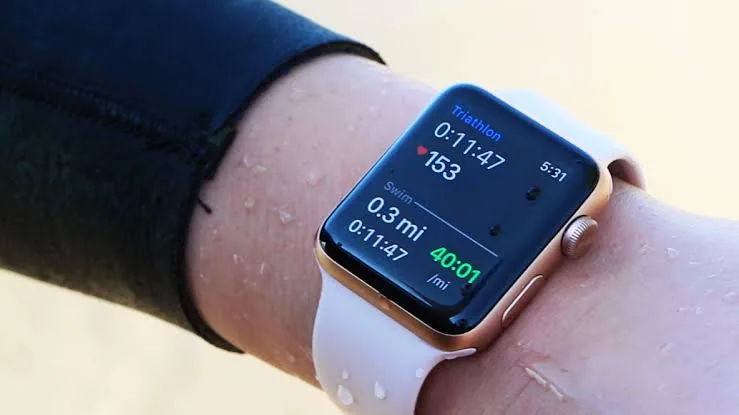
- Use fitness apps to log workouts and meals.
- Take progress photos to visualize changes.
- Celebrate milestones. Completed a full workout week? Reward yourself with something non-food related, like new workout gear.
Every small step is a victory.

Step 7: Seek Expert Help When Needed
Fitness isn’t one-size-fits-all. Working with professionals can make your journey smoother:
- Personal Trainers: Help you learn proper techniques.
- Doctors: Ensure your plan aligns with your health conditions.
- Online Communities: Find motivation and advice from others like you.
You don’t have to do it alone.
Conclusion
Starting your fitness journey is one of the best investments you can make in your health and happiness. It’s not about massive leaps; it’s about small, intentional steps forward. Whether it’s a 10-minute walk or your first yoga session, every action builds momentum.


Comments (0)
Be the first to comment on this article!
Share your thoughts and start the discussion.