


Why the Hip Hinge? The Trainer's Perspective
"Think of the hip hinge as the unsung hero of everyday movement. It’s absolutely foundational," explains Sarah Miller, a certified strength and conditioning specialist based in New York City. "From the simple act of bending down to pick up your child's toy to performing advanced lifts in the gym, this movement pattern is key. Activating our posterior chain: that's your glutes and hamstrings first thing? It's a game changer. It can immediately begin to counteract the pervasive issue of prolonged sitting and lead to demonstrably better movement efficiency throughout your entire day." That makes a lot of sense, doesn't it?
Mark Olsen, a kinesiologist and owner of a fitness studio in London, builds on this idea. "So many individuals wake up experiencing stiffness and tightness, particularly in their lower back. It’s incredibly common. The gentle yet effective engagement of the glutes and hamstrings through a correctly executed hip hinge can provide genuine relief from this discomfort. Why hinging It also proactively supports improved spinal health that lasts well beyond your morning routine." It’s about setting your body up for success!

Beyond Just Mobility: The Tangible Benefits You'll Experience
The advantages of consistently performing morning hip hinges extend considerably beyond mere flexibility and initial movement. You'll likely observe improved posture relatively quickly. By strengthening the crucial muscles responsible for proper alignment, you'll find yourself standing taller and carrying yourself with greater confidence. Furthermore, this movement naturally fosters increased core engagement. A proper hip hinge isn't just about the hips; it subtly yet effectively wakes up your core muscles, providing a foundational stability right from the start of your day. Expect to also gain enhanced functional strength. Suddenly, everyday tasks become a little easier. Lifting groceries, bending to tie your shoes, or twisting to reach something feel less strained and more controlled. And for those of us who are regularly active, this seemingly small addition provides a stronger base for other exercises. A robust posterior chain is paramount for effective Squats, deadlifts, and a multitude of other compound movements. Finally, and perhaps most immediately noticeable, this gentle movement encourages increased blood flow and energy. It’s like a natural jumpstart for your system, helping to shake off any lingering grogginess and prepare you both physically and mentally for the day ahead. I definitely notice a difference!
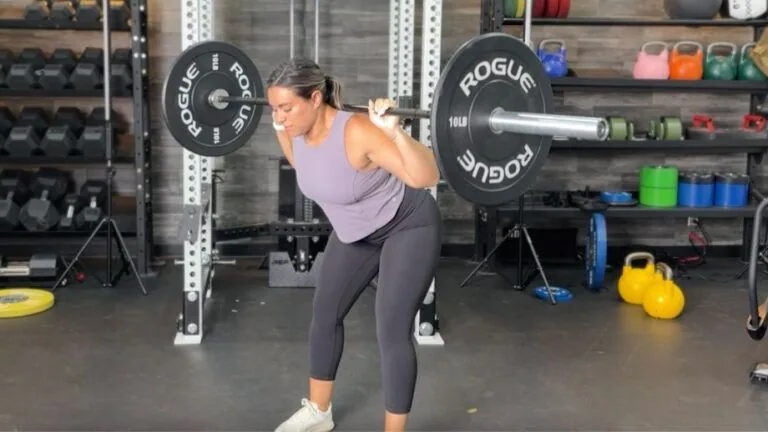
How to Execute the Perfect Hip Hinge (Your Morning Routine)
The beauty of incorporating the hip hinge into your morning is its simplicity. You don't need any equipment at all, just your own body weight. Here’s how to get it right. Begin by standing tall with your feet positioned roughly hip-width apart and a subtle, relaxed bend in your knees. Now, this is crucial: maintain a neutral curve in your spine throughout the entire movement. Imagine a straight, unwavering line extending from the crown of your head down to your tailbone. To initiate the hinge, the key is to focus on gently pushing your hips backward, as if you’re trying to lightly tap an imaginary wall directly behind you with your glutes. Resist the urge to simply bend forward at your waist! As you Hip Hinge , consciously keep your back straight and your core muscles gently engaged. You'll notice your chest naturally lowering slightly towards the floor, but remember to keep that spinal alignment intact. You should clearly feel a gentle stretch developing in the back of your thighs, your hamstrings, as you hinge forward. To return to your upright starting position, the action should be driven by actively engaging and squeezing your glutes to pull your hips forward. Remember, the primary movement should originate from your hips, not from rounding or straining your lower back.
Integrating It Into Your Morning
To make this a sustainable habit, start small. Aim for just 5 to 10 deliberate repetitions of the hip hinge each morning. During these initial attempts, prioritize impeccable form above all else. It's much more valuable to perform a few perfect hinges than many that are sloppy. As you grow more comfortable with the movement and develop better body awareness, you can gradually and safely increase the number of repetitions. How to master your morning routine
Maria Rodriguez, a Pilates instructor based in Los Angeles, offers this insightful advice: "In the morning, prioritize slow and controlled execution of the hip hinge. Really concentrate on establishing that mind-muscle connection and consciously feeling your glutes and hamstrings activating. This isn’t about pushing yourself through a high-intensity workout right after waking up. It's about a mindful, gentle activation that effectively prepares and sets your body up for a more functional and successful day." I find this mindful approach really helpful.
Expanding Beyond the Hinge (Optional Morning Moves)
While the hip hinge stands out as the recommended "one exercise," some trainers suggest thoughtfully complementing it with a few other gentle movements for a more comprehensive and well-rounded morning routine. Consider incorporating the Cat-Cow Stretch Guide to gently improve spinal mobility after your hinges. The Bird-Dog exercise is fantastic for further enhancing core stability and balance. A few controlled bodyweight squats can further activate the muscles of your lower body. And simple arm circles can help to gently improve mobility in your shoulder joints additional Press-Up These additions are all low-impact and serve as excellent ways to further prepare your body for the demands of the day ahead.
The Key Takeaway
You absolutely don't need to dedicate extensive time to elaborate workouts first thing in the morning to experience significant positive changes. By consistently incorporating the simple yet remarkably effective hip hinge into your daily routine, you can expect to see tangible improvements in your posture, a noticeable boost in your energy levels, and a solid foundation being built for a healthier and more active lifestyle. Pay close attention to your body's feedback, always prioritize proper form over speed or quantity, and I'm confident you'll experience the profound and lasting positive impact this single exercise can have on your overall well-being. So, what small yet powerful change will you commit to making to your morning routine starting tomorrow?




Comments (0)
Be the first to comment on this article!
Share your thoughts and start the discussion.