
Medical emergency? Call your local emergency number
First aid guides

Menu

How to Start a Workout Routine as a Beginner

How to Start a Workout Routine as a Beginner Exercise & fitness 3 min read
Not yet medically reviewed. This page has not been checked by a qualified medical reviewer. Use it for general education only and confirm anything important with a healthcare professional. Written by GeoMed Editorial Team. Last updated 24 October 2026.

The journey of a thousand miles begins with a single step." This famous saying by Lao Tzu couldn’t be more true when it comes to fitness. Yet, for many, taking that first step into a workout routine feels like standing at the base of a mountain, unsure of where to begin. Here’s the good news: you don’t need to sprint to the top right away. In fact, starting slow and steady is often the best way to build a habit that lasts.

1. Set Clear and Realistic Goals

Before you begin, it’s essential to understand what you want to achieve. Are you aiming to lose weight, gain strength, improve flexibility, or simply boost your energy levels? Defining your goals will give your workouts a purpose and keep you motivated.

Start small and realistic. For example:

  • Walk for 30 minutes, three times a week.
  • Perform 10 push-ups a day.
  • Stretch for 10 minutes every morning.

2. Choose Activities You Enjoy

Exercise doesn’t have to feel like a chore. Pick activities that you genuinely enjoy to make it easier to stick with your routine. Some beginner-friendly options include:

  • Walking or jogging in a park.
  • Dancing to your favorite songs.
  • Practicing yoga or pilates.
  • Joining a beginner fitness class.

Enjoying your workout ensures it becomes a regular part of your life rather than a temporary effort.

3. Start Slow and Build Gradually
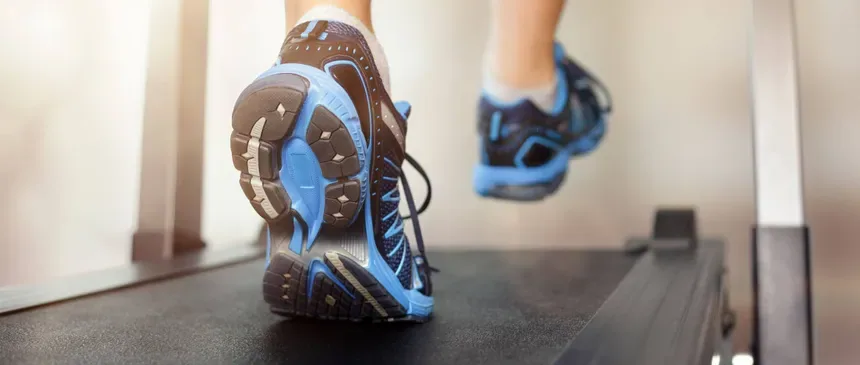
How to Start a Workout Routine as a Beginner

As a beginner, it’s crucial to ease into your routine to avoid injury or burnout. Begin with short, low-intensity sessions and increase the duration and intensity over time. For example:

  • Week 1: 15-20 minutes of light activity, such as walking or stretching.
  • Week 2: Add 5 minutes to your workout and include simple bodyweight exercises like squats or lunges.
  • Week 3: Incorporate moderate-intensity exercises like brisk walking or cycling.

Listen to your body and adjust as needed.

4. Focus on Proper Form

Good form is essential for preventing injuries and maximizing the effectiveness of your exercises. If you’re unsure about how to perform an exercise, seek guidance from:

  • Online videos or tutorials from certified trainers.
  • Fitness apps that provide demonstrations.
  • In-person classes or sessions with a personal trainer.

Avoid rushing through exercises, and prioritize quality over quantity.

5. Incorporate Rest and Recovery

Rest days are just as important as workout days. Your muscles need time to recover and grow stronger. Plan at least one or two rest days per week, and focus on activities like stretching or light yoga to keep your body active while recovering.

6. Stay Consistent

Consistency is the key to seeing results. Create a schedule that fits your lifestyle and stick to it. Set reminders or workout at the same time each day to build a habit. Remember, even short sessions add up over time.

7. Track Your Progress

Keep a journal or use a fitness app to monitor your progress. Record your workouts, note how you feel afterward, and celebrate milestones like completing your first week or increasing your stamina.

8. Fuel Your Body

How to Start a Workout Routine as a Beginner

A balanced diet is essential to support your fitness journey. Focus on eating a variety of whole foods, including:

How to Start a Workout Routine as a Beginner

  • Lean proteins (chicken, fish, beans).
  • Healthy fats (avocado, nuts, olive oil).
  • Complex carbohydrates (whole grains, fruits, vegetables).
  • Stay hydrated by drinking plenty of water throughout the day.

9. Seek Support

Working out with a friend or joining a fitness community can keep you motivated and accountable. Share your goals with someone who will encourage you to stay on track.

10. Be Patient and Kind to Yourself

Progress takes time, so don’t get discouraged if you don’t see immediate results. Focus on how exercise makes you feel and the small victories along the way, such as increased energy, better sleep, or improved mood.

Final Thoughts

Starting a workout routine as a beginner is a journey of self-care and commitment. By setting realistic goals, enjoying your activities, and building gradually, you can create a routine that fits your lifestyle and helps you achieve your health and fitness goals. Remember, the hardest part is getting started, once you do, the benefits will keep you going!
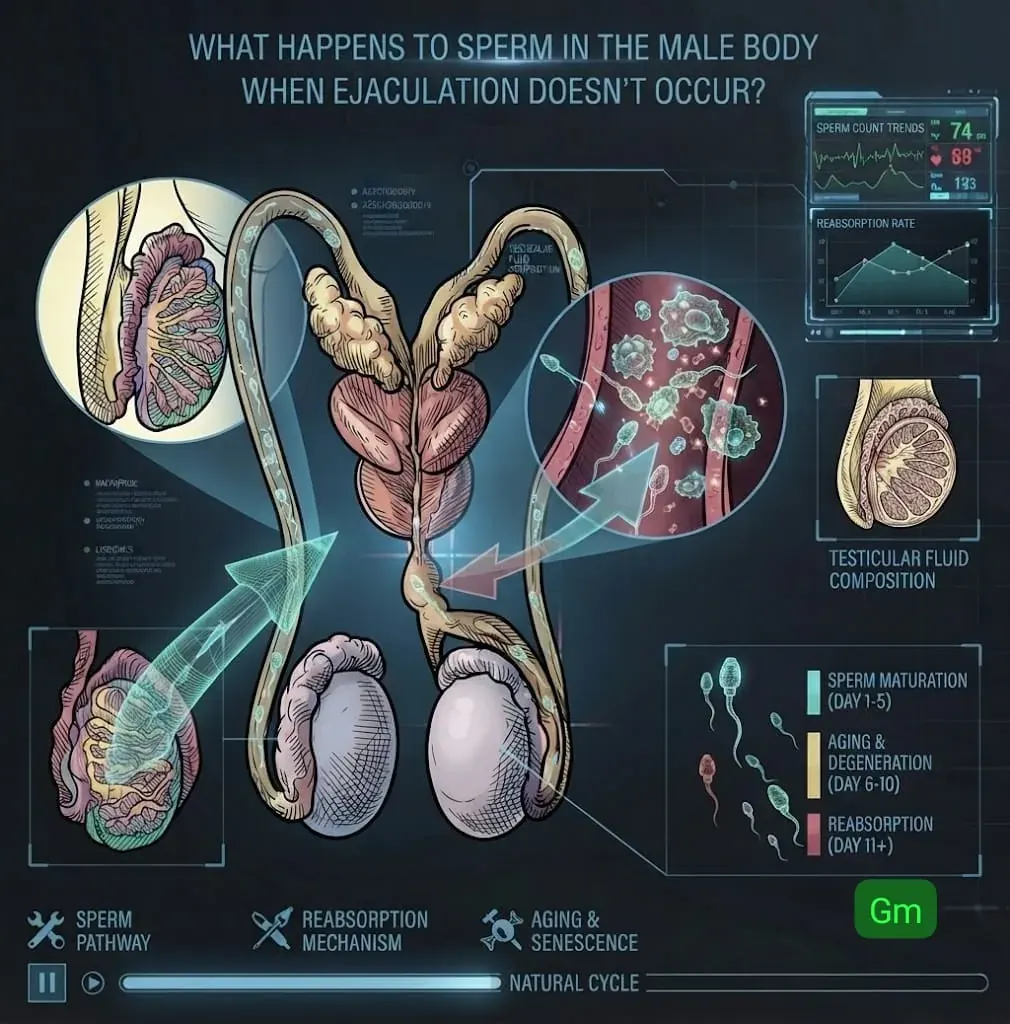
Image credits

  • Heading image: GeoMed

Comments (0)

Be the first to comment on this article!

Share your thoughts and start the discussion.

Leave a comment

Comments are public and reviewed by a moderator before they appear. Please don’t share personal medical details, as we can’t give individual medical advice in comments. Comments are not reviewed medical content.

By commenting you agree to our terms of use and comment policy. See our privacy policy for how we handle your data.

More articles

View all
What Happens to Sperm in the Male Body When Ejaculation Doesn’t Occur? Sexual & reproductive health

What Happens to Sperm in the Male Body When Ejaculation Doesn’t Occur?

Every day, the male body produces millions of sperm. Millions! But what happens when you don’t release them through ejaculation? Many men assume sperm just “sits there” or loses potency. The truth is far more fascinating. Your body is smarter than you think. It manages sperm, recycles it, and keeps your reproductive system running smoothly even during long periods of abstinence. By the end of this article, you’ll understand exactly how your body handles unreleased sperm, what it means for your health, and why this natural process is completely safe.

2 min read
Natural Penis Growth What Most Men Never Learn Sexual & reproductive health

Natural Penis Growth What Most Men Never Learn

More than 60 percent of men report concerns or questions about their penis size at some point in their lives. That number is huge. It tells me one thing very clearly. Curiosity about natural penis growth is normal. Most information available is vague or exaggerated. The truth is simple. Penis growth is guided by biology. Quietly. Gradually. Predictably. Understanding what drives growth lets you stop chasing myths and start supporting your body.

3 min read
How Long Should Sex Last in Bed? The Truth Nobody Talks About Sexual & reproductive health

How Long Should Sex Last in Bed? The Truth Nobody Talks About

“Most men last less than seven minutes during intercourse.” That number might shock you but here’s the real kicker: satisfaction doesn’t follow a stopwatch. One quick statistic doesn’t define pleasure. Connection, control, and technique do. I’ve worked with couples and individuals who stress over duration and it’s usually unnecessary. But the mistakes people make? Those are real and they cost intimacy.

3 min read
How Soldiers Fall Asleep Fast Even in Chaos and How You Can Too Healthy living & wellness

How Soldiers Fall Asleep Fast Even in Chaos and How You Can Too

96 percent success rate. That's the number that made this military sleep technique go viral. But here's what most people don't know: this method wasn't designed for your cozy bedroom with blackout curtains and white noise machines. It was developed for fighter pilots who needed to sleep sitting upright, surrounded by engine roar and the stress of imminent combat missions. I've spent years studying sleep medicine, and I'll tell you straight most sleep advice is garbage. We're drowning in melatonin gummies, expensive mattresses, and apps that promise to "hack" your circadian rhythm. Meanwhile, the U.S. military figured out decades ago that falling asleep isn't about perfect conditions. It's about training your nervous system to shut down on command, even when everything around you is screaming danger.

8 min read