
Medical emergency? Call your local emergency number
First aid guides

Menu

Common Mistakes Beginners Make in Exercise (And How to Avoid Them)

Common Mistakes Beginners Make in Exercise (And How to Avoid Them) Exercise & fitness 3 min read
Not yet medically reviewed. This page has not been checked by a qualified medical reviewer. Use it for general education only and confirm anything important with a healthcare professional. Written by GeoMed Editorial Team. Last updated 24 October 2026.

Nearly 80% of people who start exercising quit within the first two months." Why? Most don’t fail because they lack motivation, they fail because they unknowingly sabotage their progress. From skipping warm-ups to setting unrealistic expectations, small mistakes can derail even the most determined beginner.

1. Skipping Warm-Ups and Cool-Downs

Why It’s a Problem: Think of your muscles as cold rubber bands, stretch them suddenly, and they snap. Warm-ups prepare your body for movement and reduce injury risks. Cool-downs help your muscles recover.

The Fix: Spend 5–10 minutes warming up with light cardio or dynamic stretches. After your workout, do static stretches like touching your toes or holding a quad stretch for 20–30 seconds.

2. Overtraining

Common Mistakes Beginners Make in Exercise (And How to Avoid Them)

Why It’s a Problem: It’s tempting to go all-in at the start, but overtraining leads to exhaustion, injuries, and burnout. Less is often more in the early stages.

The Fix: Start with 3–4 workouts per week, each lasting 30–45 minutes. Focus on quality, not quantity. Let your body adapt before ramping up intensity or frequency.

3. Neglecting Proper Form

Why It’s a Problem: Lifting heavier weights or speeding through reps without proper form can cause serious injuries. Bad habits now are hard to break later.

The Fix: Prioritize technique. Start with bodyweight exercises or light weights. Use mirrors to check alignment, or better yet, get feedback from a trainer or reliable online video tutorials.

4. Unrealistic Expectations

Why It’s a Problem: Expecting dramatic weight loss or muscle gain in weeks leads to frustration. Progress takes time, and impatience often causes people to give up.

The Fix: Set achievable goals like, “Exercise for 30 minutes, 3 times a week for a month.” Track small wins, lifting more weight, running longer, or simply feeling more energetic.

5. Ignoring Nutrition

Common Mistakes Beginners Make in Exercise (And How to Avoid Them)

Why It’s a Problem: You can’t out-exercise a bad diet. Without proper fuel, your body can’t perform or recover effectively.

The Fix: Focus on balanced meals. Include lean protein (chicken, fish, tofu), complex carbs (brown rice, quinoa), healthy fats (avocado, nuts), and plenty of vegetables. Hydrate consistently throughout the day.

6. Comparing Yourself to Others

Why It’s a Problem: Scrolling through fitness influencers’ perfect physiques can make you feel inadequate. This mindset kills motivation.

The Fix: Compare yourself only to your past self. Measure your own progress, whether it’s lifting heavier, running longer, or simply showing up consistently.

7. Not Resting Enough

Why It’s a Problem: Your body needs rest to repair and grow stronger. Overtraining without recovery leads to injuries and fatigue.

The Fix: Schedule 1–2 rest days per week. If you’re sore, try active recovery like yoga or a light walk instead of skipping movement altogether.

8. Wearing the Wrong Gear

Why It’s a Problem: Improper shoes or clothing can cause discomfort or even injuries. Running in flat sneakers, for example, can wreak havoc on your knees.

The Fix: Invest in proper workout shoes tailored to your activity (e.g., running shoes for cardio, cross-trainers for gym workouts). Opt for breathable, moisture-wicking clothes.

9. Sticking to One Routine

Why It’s a Problem: Repeating the same workout leads to boredom and plateaus. Your body adapts over time, reducing the effectiveness of your efforts.

The Fix: Mix it up! Combine cardio, strength training, and flexibility exercises. Try a new workout class, or swap running for cycling every few weeks.

10. Forgetting to Hydrate

Common Mistakes Beginners Make in Exercise (And How to Avoid Them)

Why It’s a Problem: Dehydration affects performance and recovery. Even mild dehydration can leave you feeling fatigued and sluggish.

The Fix: Drink water throughout the day, not just during your workout. Aim for 8–10 cups daily, and adjust based on your activity level.

Conclusion

Mistakes are inevitable, but they don’t have to define your fitness journey. Armed with this knowledge, you can sidestep the common pitfalls and set yourself up for success. Remember: progress is about consistency, not perfection. Take it one step at a time, and before you know it, those small changes will lead to big results.

you’ve got this, now go crush it.
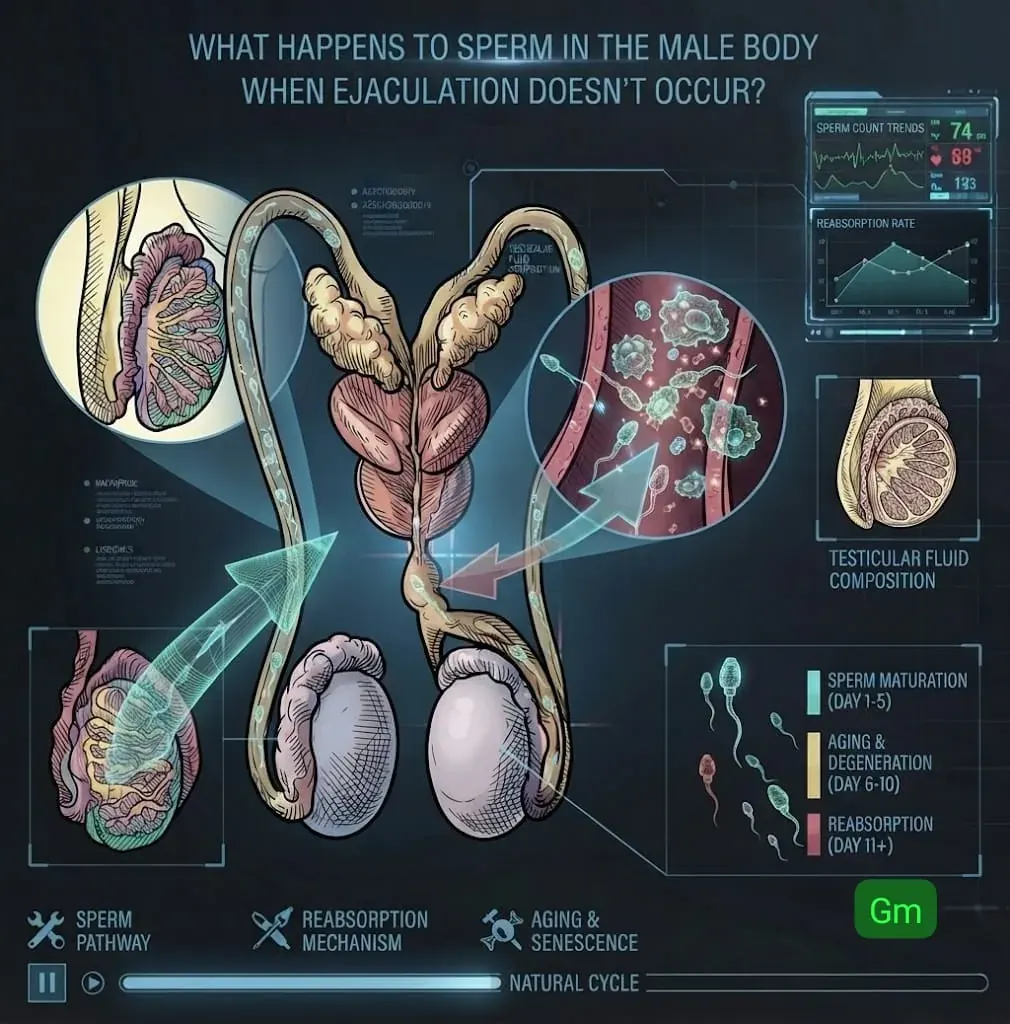
Image credits

  • Heading image: GeoMed

Comments (0)

Be the first to comment on this article!

Share your thoughts and start the discussion.

Leave a comment

Comments are public and reviewed by a moderator before they appear. Please don’t share personal medical details, as we can’t give individual medical advice in comments. Comments are not reviewed medical content.

By commenting you agree to our terms of use and comment policy. See our privacy policy for how we handle your data.

More articles

View all
What Happens to Sperm in the Male Body When Ejaculation Doesn’t Occur? Sexual & reproductive health

What Happens to Sperm in the Male Body When Ejaculation Doesn’t Occur?

Every day, the male body produces millions of sperm. Millions! But what happens when you don’t release them through ejaculation? Many men assume sperm just “sits there” or loses potency. The truth is far more fascinating. Your body is smarter than you think. It manages sperm, recycles it, and keeps your reproductive system running smoothly even during long periods of abstinence. By the end of this article, you’ll understand exactly how your body handles unreleased sperm, what it means for your health, and why this natural process is completely safe.

2 min read
Natural Penis Growth What Most Men Never Learn Sexual & reproductive health

Natural Penis Growth What Most Men Never Learn

More than 60 percent of men report concerns or questions about their penis size at some point in their lives. That number is huge. It tells me one thing very clearly. Curiosity about natural penis growth is normal. Most information available is vague or exaggerated. The truth is simple. Penis growth is guided by biology. Quietly. Gradually. Predictably. Understanding what drives growth lets you stop chasing myths and start supporting your body.

3 min read
How Long Should Sex Last in Bed? The Truth Nobody Talks About Sexual & reproductive health

How Long Should Sex Last in Bed? The Truth Nobody Talks About

“Most men last less than seven minutes during intercourse.” That number might shock you but here’s the real kicker: satisfaction doesn’t follow a stopwatch. One quick statistic doesn’t define pleasure. Connection, control, and technique do. I’ve worked with couples and individuals who stress over duration and it’s usually unnecessary. But the mistakes people make? Those are real and they cost intimacy.

3 min read
How Soldiers Fall Asleep Fast Even in Chaos and How You Can Too Healthy living & wellness

How Soldiers Fall Asleep Fast Even in Chaos and How You Can Too

96 percent success rate. That's the number that made this military sleep technique go viral. But here's what most people don't know: this method wasn't designed for your cozy bedroom with blackout curtains and white noise machines. It was developed for fighter pilots who needed to sleep sitting upright, surrounded by engine roar and the stress of imminent combat missions. I've spent years studying sleep medicine, and I'll tell you straight most sleep advice is garbage. We're drowning in melatonin gummies, expensive mattresses, and apps that promise to "hack" your circadian rhythm. Meanwhile, the U.S. military figured out decades ago that falling asleep isn't about perfect conditions. It's about training your nervous system to shut down on command, even when everything around you is screaming danger.

8 min read