

Cataract
 Eyes and vision
1 min read
Not yet medically reviewed.
This page has not been checked by a qualified medical reviewer. Use it for general education only and confirm
anything important with a healthcare professional.
Written by GeoMed Editorial Team. Last updated 28 October 2026.
Treatment depends on the severity of the condition, individual circumstances and local clinical guidelines. This page describes general approaches and does not recommend treatment for any individual.
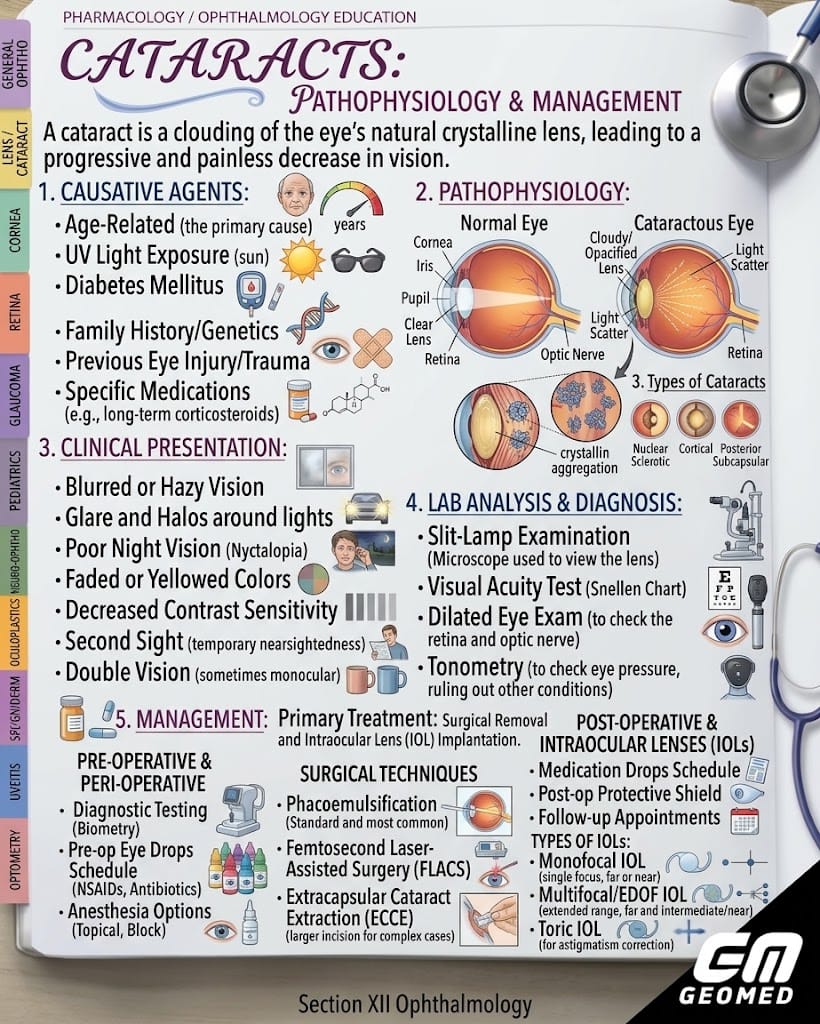
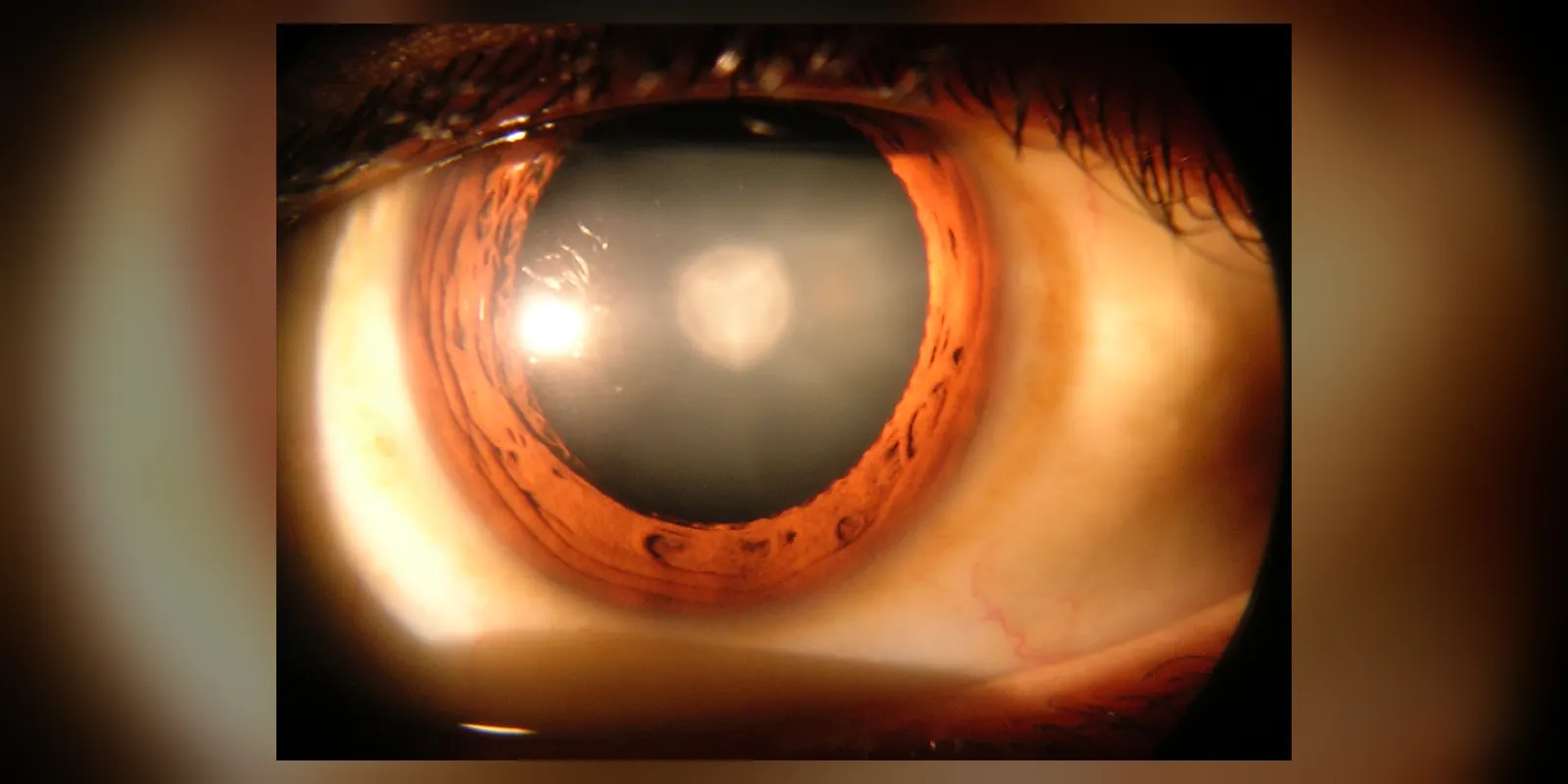
Clouding of the lens of the eye that blurs vision.
Overview
Cataracts are the leading cause of reversible blindness worldwide.
When to get urgent help
Seek urgent eye care for sudden painful vision loss.
Causes and risk factors
Ageing, diabetes, smoking, sunlight, steroid use and eye injury.
How it develops (pathophysiology)
Proteins in the lens gradually clump together and change colour, scattering light instead of letting it pass clearly to the retina.
Signs and symptoms
Cloudy or blurred vision, glare from lights, faded colours and difficulty at night.
How it is diagnosed
Eye examination.
Possible complications
Falls and accidents due to poor vision.
Medicines
No medicine reverses a cataract.
Other treatments
Surgery to replace the lens with an artificial one.
Living with it and prevention
Wear sunglasses, stop smoking and control diabetes.
Outlook
Surgery restores vision in most people.
Image credits
- Heading image: Rakesh Ahuja, MD, Wikimedia Commons, CC BY-SA 3.0

More Diseases
View all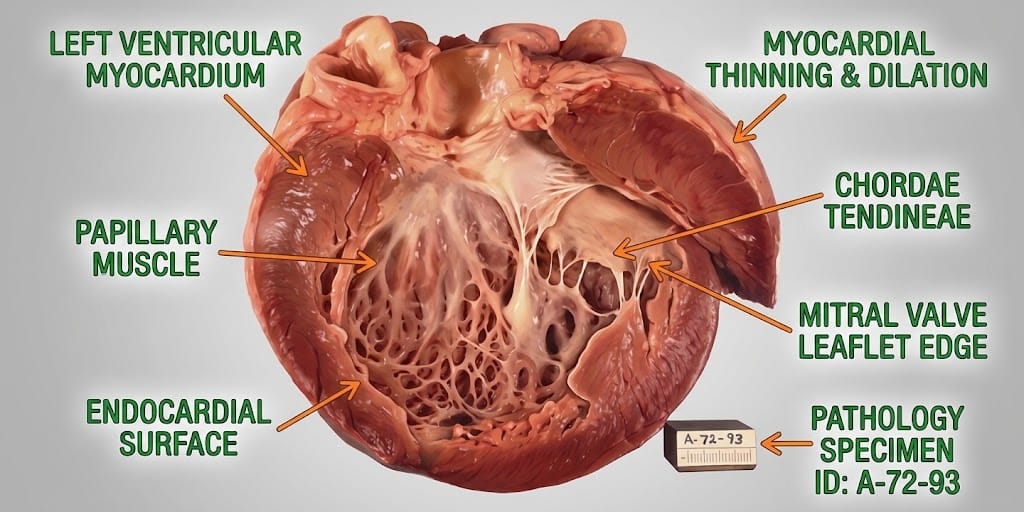 Cardiovascular system
Cardiomyopathy (dilated)
Non-infectious · Chronic
A weakened, enlarged heart muscle that pumps poorly.
 Mental health
 Cardiovascular system
Cardiac tamponade
Non-infectious · Acute
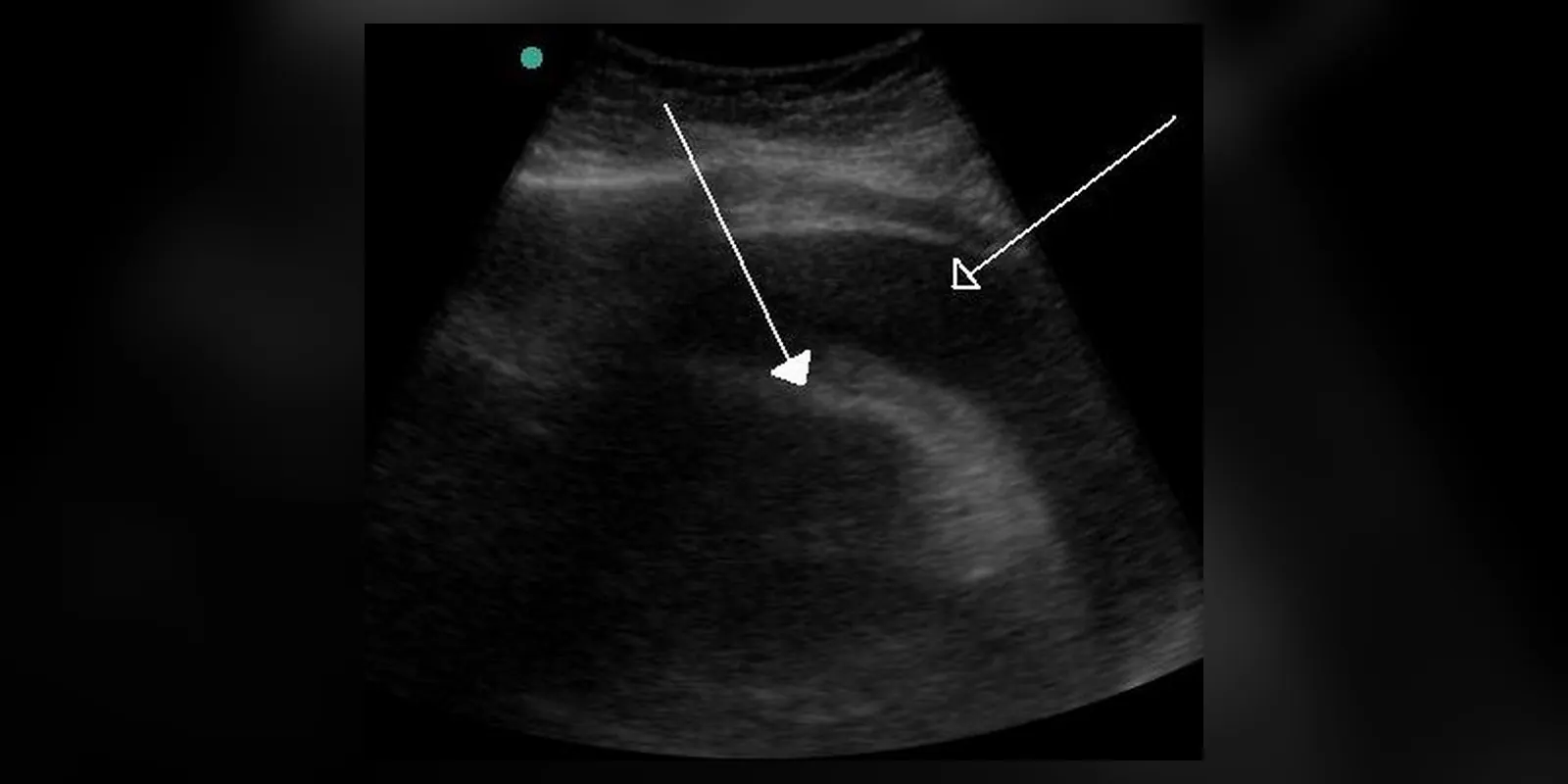
Fluid around the heart that squeezes it and stops it filling.
 Cardiovascular system