Overview
Autism spectrum disorder (ASD), often simply called autism, is a lifelong neurodevelopmental difference that affects how a person communicates, interacts with others and experiences the world. Autistic people may find social interaction and communication challenging, prefer routines, have intense interests and experience sensory differences, such as sensitivity to noise, light or touch.
Autism is described as a spectrum because it affects people in very different ways. Some autistic people need little support, while others need substantial support throughout life, and some also have learning disabilities. Autism is not an illness to be cured; it is a different way of thinking and experiencing the world. Early recognition and appropriate support help autistic people communicate, learn and thrive.
When to get urgent help
Seek urgent help for self-harm, thoughts of suicide, sudden changes in behaviour, seizures, or signs of severe distress or illness that the person may find hard to communicate.
Causes and risk factors
- Genetics: the main factor; autism is highly heritable, involving many genes
- Rare genetic conditions: fragile X syndrome, tuberous sclerosis, Rett syndrome and chromosomal changes
- Prenatal factors: premature birth, older parents, exposure to certain medicines (such as valproate) in pregnancy
- Vaccines do not cause autism: this has been confirmed by large studies
How it develops (pathophysiology)
Normal brain development
During pregnancy and early childhood, brain cells multiply, migrate to the right places and form connections (synapses). Through childhood, the brain prunes unused connections and strengthens important networks, including those for social understanding, language and sensory processing.
What is different in autism
Autism reflects differences in how the brain develops and processes information, rather than damage:
- Genetic influence: many genes linked to autism affect synapse formation, communication between neurons and how genes are switched on. Most autistic people have a combination of many common gene variants, each with a small effect.
- Brain connectivity: studies suggest differences in connections between brain regions, with some local connections stronger and some long-range connections weaker. This may affect integration of complex information, such as social cues.
- Excitation and inhibition balance: differences in the balance between excitatory (glutamate) and inhibitory (GABA) signalling may affect sensory sensitivity.
- Social brain networks: regions involved in face processing, understanding others' intentions and emotions, and language may develop differently.
- Predictive processing: some research suggests autistic brains rely less on predictions and more on detailed sensory input, which can make unpredictable environments overwhelming and routines comforting.
Why the features happen
- Social communication differences, such as difficulty reading facial expressions or understanding unwritten social rules, reflect differences in social processing.
- Language differences vary widely, from delayed speech to very advanced vocabulary with a literal understanding of language.
- Need for routine and sameness may help manage uncertainty.
- Repetitive movements (stimming), such as hand-flapping or rocking, help regulate sensory input and emotions.
- Intense interests reflect strong focus and deep engagement.
- Sensory sensitivities reflect differences in sensory processing.
- Meltdowns or shutdowns occur when overwhelmed by sensory or emotional overload.
How support works
Support aims to understand the person's needs, reduce stress and build skills. Speech and language therapy supports communication. Occupational therapy helps with sensory and daily living needs. Environmental adjustments reduce sensory overload. Psychological therapies adapted for autistic people help with anxiety and other co-occurring conditions. Medicines do not treat autism itself but can help co-occurring conditions.
Types
Autism is now diagnosed as a single spectrum, with descriptions of support needs:
- Level 1: requiring support
- Level 2: requiring substantial support
- Level 3: requiring very substantial support
Terms such as Asperger syndrome were previously used but are now included within autism spectrum disorder.
Signs and symptoms
Social communication:
- Difficulty with back-and-forth conversation
- Limited eye contact or unusual use of gestures
- Difficulty understanding others' feelings or intentions
- Difficulty making or keeping friendships
- Delayed speech, or unusual tone or rhythm of speech
- Taking language literally
Behaviour and interests:
- Preference for routines and distress at change
- Repetitive movements, such as hand-flapping or rocking
- Intense, focused interests
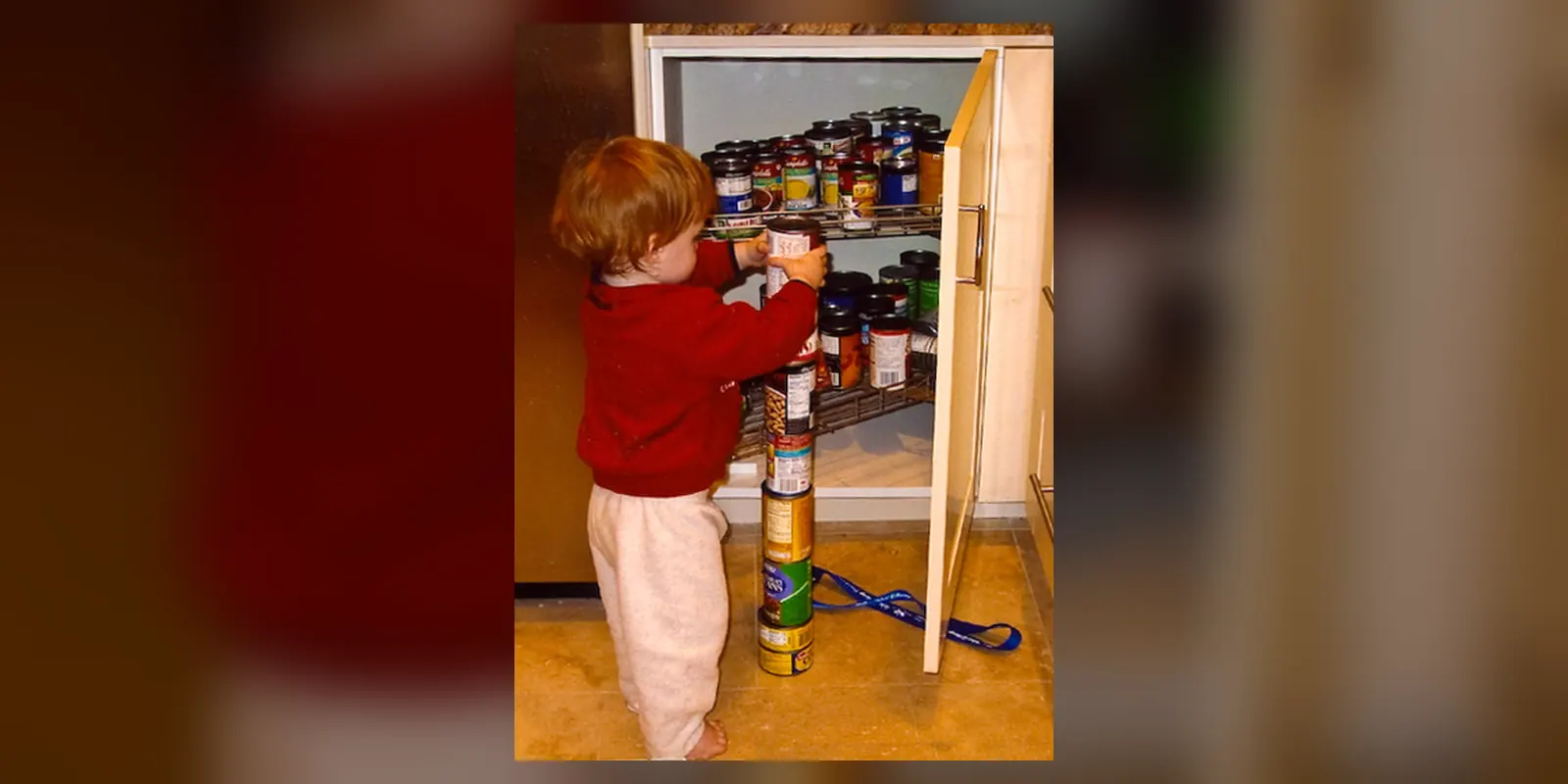
- Lining up objects or repeating words or phrases
Sensory:
- Over- or under-sensitivity to sounds, lights, textures, smells or tastes
- Seeking or avoiding certain sensations
How it is diagnosed
- Developmental history from parents or carers
- Observation of communication, interaction and behaviour
- Standardised assessments, such as ADOS-2 and ADI-R
- Multidisciplinary assessment by paediatricians, psychologists, speech and language therapists
- Hearing tests and assessment for other conditions
- Genetic testing in some cases, especially with learning disability or other features
Possible complications
Autism itself is not a disease, but autistic people are more likely to experience:
- Anxiety and depression
- ADHD
- Epilepsy
- Sleep problems
- Gastrointestinal problems
- Learning disabilities
- Eating difficulties
- Social isolation and bullying
- Barriers in education and employment
Goals of treatment
Support aims to help autistic people communicate, learn, manage daily life, reduce distress and live fulfilling lives, respecting their identity and choices.
Medicines
There is no medicine for autism itself. Medicines may help co-occurring conditions:
- Melatonin for sleep problems
- ADHD medicines if ADHD is present
- Antidepressants for anxiety or depression in some cases
- Risperidone or aripiprazole for severe irritability or aggression, under specialist care
- Anti-seizure medicines for epilepsy
Other treatments
- Speech and language therapy
- Occupational therapy, including sensory strategies
- Social communication support
- Parent training and education
- Educational support and adjustments
- Visual supports and structured routines
- Adapted CBT for anxiety
- Support for employment and independent living
Living with it and prevention
Autism is not preventable, and it is not caused by vaccines or parenting. Wellbeing is supported by:
- Early recognition and support
- Predictable routines
- Sensory-friendly environments
- Clear communication
- Acceptance and inclusion
- Support for families and carers
Monitoring and follow-up
Children are reviewed as they develop, and support plans are updated. Adults may need reviews of support, mental health and physical health.
Outlook
Autism is lifelong, but needs and abilities change over time. With understanding and the right support, many autistic people live independent, successful lives.
Special considerations
- Girls and women: often diagnosed later because they may mask or camouflage differences
- Adults: may seek diagnosis later in life
- People with learning disabilities: need adapted communication and healthcare
- Healthcare settings: reasonable adjustments, such as quiet waiting areas, help