
Overview
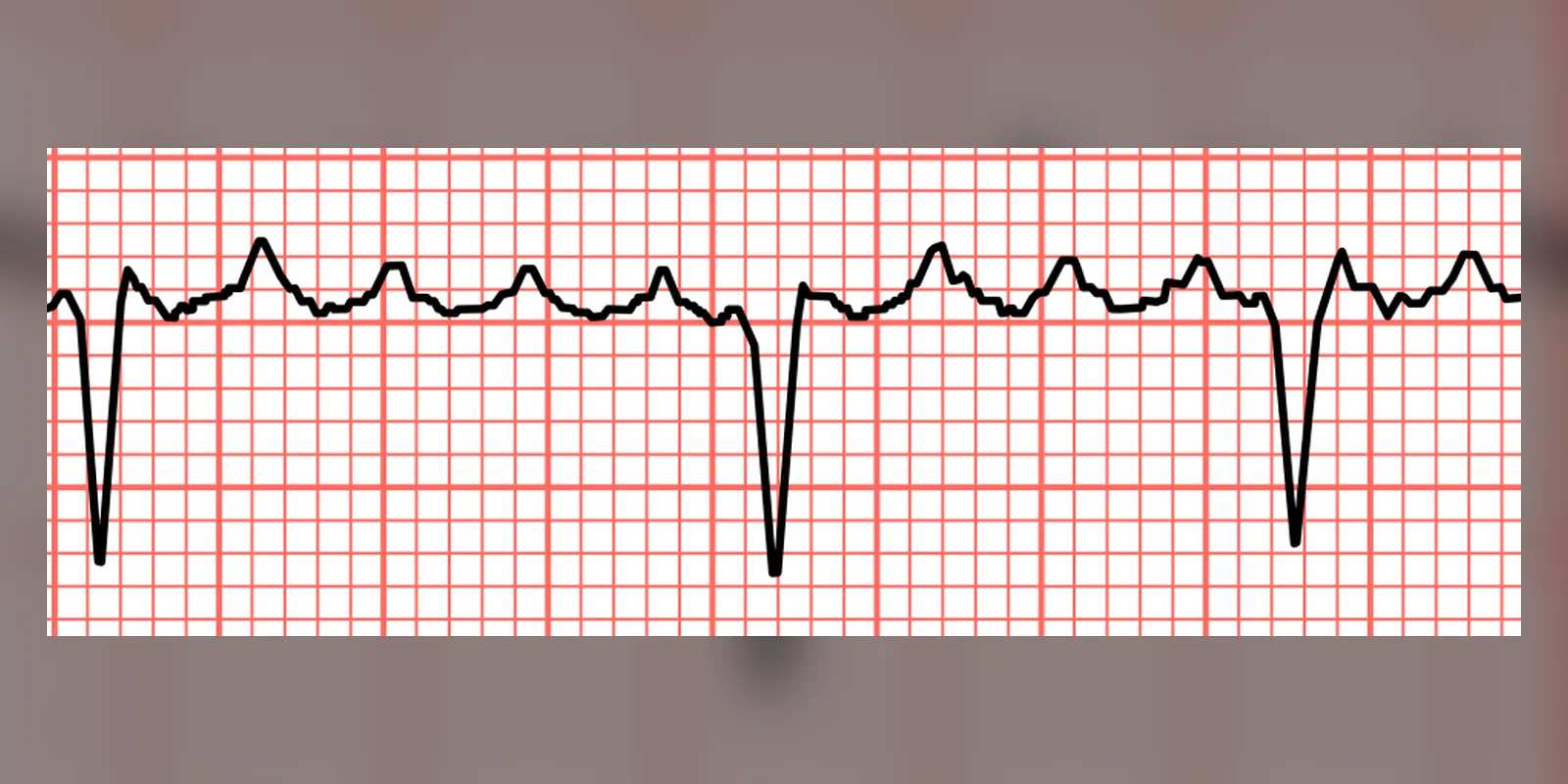
Atrial flutter is a heart rhythm disorder in which the upper chambers of the heart (the atria) beat very rapidly, usually around 300 times a minute, because an electrical impulse is trapped in a circular loop. Unlike atrial fibrillation, where activity is chaotic, atrial flutter is organised and regular.
Usually only some of these impulses reach the lower chambers, so the heart rate is often around 150 beats per minute. Atrial flutter can cause palpitations, breathlessness and tiredness, and, like atrial fibrillation, it increases the risk of stroke. It often occurs alongside atrial fibrillation. Atrial flutter can usually be cured with catheter ablation, a procedure that interrupts the electrical circuit.
Atrial flutter may come and go (paroxysmal) or persist. Some people first notice it as a sudden racing heartbeat that does not settle, while others find out only when a routine pulse check or ECG shows a regular fast rate.
When to get urgent help
Seek emergency care for chest pain, severe breathlessness, fainting, a very fast heart rate, or stroke symptoms.
Causes and risk factors
- Heart disease: coronary artery disease, heart failure, valve disease
- High blood pressure
- Previous heart surgery, especially for congenital heart disease
- Lung disease: COPD, pulmonary embolism
- Overactive thyroid
- Excess alcohol
- Obesity and sleep apnoea
- Atrial fibrillation treatment with some medicines, which can convert AF to flutter
- Older age
How it develops (pathophysiology)
Normal heart rhythm
Each heartbeat starts in the sinoatrial (SA) node and spreads across the atria before passing through the atrioventricular (AV) node to the ventricles. Normally, the electrical wave dies out after each beat, so the next beat must be triggered afresh by the SA node.
What goes wrong
Atrial flutter is caused by a macro-re-entrant circuit: a large electrical loop in the atria.
- Typical (cavotricuspid isthmus-dependent) flutter: the most common form. The circuit runs around the tricuspid valve in the right atrium. It passes through a narrow strip of tissue between the tricuspid valve and the inferior vena cava called the cavotricuspid isthmus, where conduction is slow.
- Self-sustaining loop: because the circuit is large and conduction is slow in part of it, the wave front keeps meeting tissue that has recovered from the previous beat, so it circulates continuously at around 250 to 350 times a minute.
- AV node filtering: the AV node cannot conduct every impulse, so it usually lets through every second beat (2:1 block), giving a ventricular rate of about 150. With medicines or disease, the ratio may be 3:1 or 4:1, or occasionally 1:1, which is dangerous.
- Atypical flutter: circuits around scar tissue, for example after heart surgery or ablation, or in the left atrium.
Consequences
- Fast heart rate reduces filling time and output, and can weaken the heart over time (tachycardia-induced cardiomyopathy).
- Stroke risk: atrial contraction is reduced, so blood can pool and clot in the atria, as in atrial fibrillation.
Why the symptoms happen
- Palpitations reflect the fast heart rate.
- Breathlessness, tiredness and reduced exercise tolerance result from reduced cardiac output.
- Dizziness or fainting can occur with very fast rates.
- Chest pain may occur when fast rates increase oxygen demand.
How treatment acts on the mechanism
Catheter ablation creates a line of scar across the cavotricuspid isthmus, breaking the circuit and curing typical flutter in over 90 percent of cases. Electrical cardioversion resets the rhythm. Rate control medicines slow conduction through the AV node. Anticoagulants prevent clot formation and stroke.
Types
- Typical (cavotricuspid isthmus-dependent) flutter: counterclockwise or clockwise
- Atypical flutter: other circuits, often after surgery or ablation
Signs and symptoms
- Palpitations or a fast, regular heartbeat
- Breathlessness
- Tiredness
- Dizziness or light-headedness
- Chest discomfort
- Fainting (rare)
- Some people have no symptoms
Because the heart rate is often fixed at around 150 beats per minute, people may notice that their pulse is fast and regular and does not change much with rest or activity. Symptoms are often worse in people with existing heart disease.
How it is diagnosed
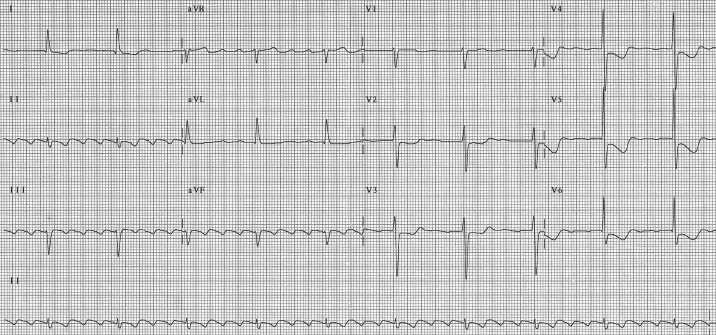
- ECG: typical "sawtooth" flutter waves, best seen in leads II, III and aVF
- Holter monitor for intermittent flutter
- Echocardiogram
- Blood tests: thyroid function, electrolytes
- Electrophysiology study during ablation to map the circuit
Possible complications
- Stroke
- Heart failure
- Tachycardia-induced cardiomyopathy
- Atrial fibrillation
- Very fast 1:1 conduction, which can be life-threatening
Goals of treatment
Treatment aims to control the heart rate, restore normal rhythm, prevent stroke, and cure the flutter where possible.
Medicines
- Anticoagulants, based on stroke risk, as for atrial fibrillation
- Rate control: beta-blockers, diltiazem or verapamil
- Antiarrhythmics: amiodarone, sotalol, dofetilide in some cases
The ventricular rate in atrial flutter is often harder to control with medicines than in atrial fibrillation, which is one reason ablation is offered early. Anticoagulation is usually started at least three weeks before planned cardioversion, unless the flutter began very recently or a scan shows no clot.
Other treatments
- Catheter ablation of the cavotricuspid isthmus: the treatment of choice for recurrent typical flutter
- Electrical cardioversion
- Overdrive pacing in some situations
- Treatment of underlying conditions
Living with it and prevention
- Keep blood pressure controlled
- Limit alcohol
- Maintain a healthy weight
- Treat sleep apnoea and lung disease
- Take anticoagulants as prescribed
Having regular blood pressure checks and treating conditions such as sleep apnoea, overactive thyroid and lung disease reduce the chance of flutter returning. Avoid binge drinking, which is a common trigger.
Monitoring and follow-up
After ablation, people are monitored for recurrence and for atrial fibrillation, which develops in many. Anticoagulation decisions are reviewed regularly.
People who have had atrial flutter are often given a wearable monitor or advised to check their pulse, because atrial fibrillation commonly develops later, sometimes without symptoms.
Outlook
Typical atrial flutter is usually curable with ablation. Many people later develop atrial fibrillation, which needs ongoing management.
Special considerations
- People with congenital heart disease after surgery often develop atypical flutter and need specialist care
- Older adults: higher stroke risk
Athletes: may develop flutter, sometimes with atrial fibrillation; ablation is usually effective. People taking flecainide for atrial fibrillation may develop flutter with fast conduction, so a rate-slowing medicine is usually given alongside.