
Overview
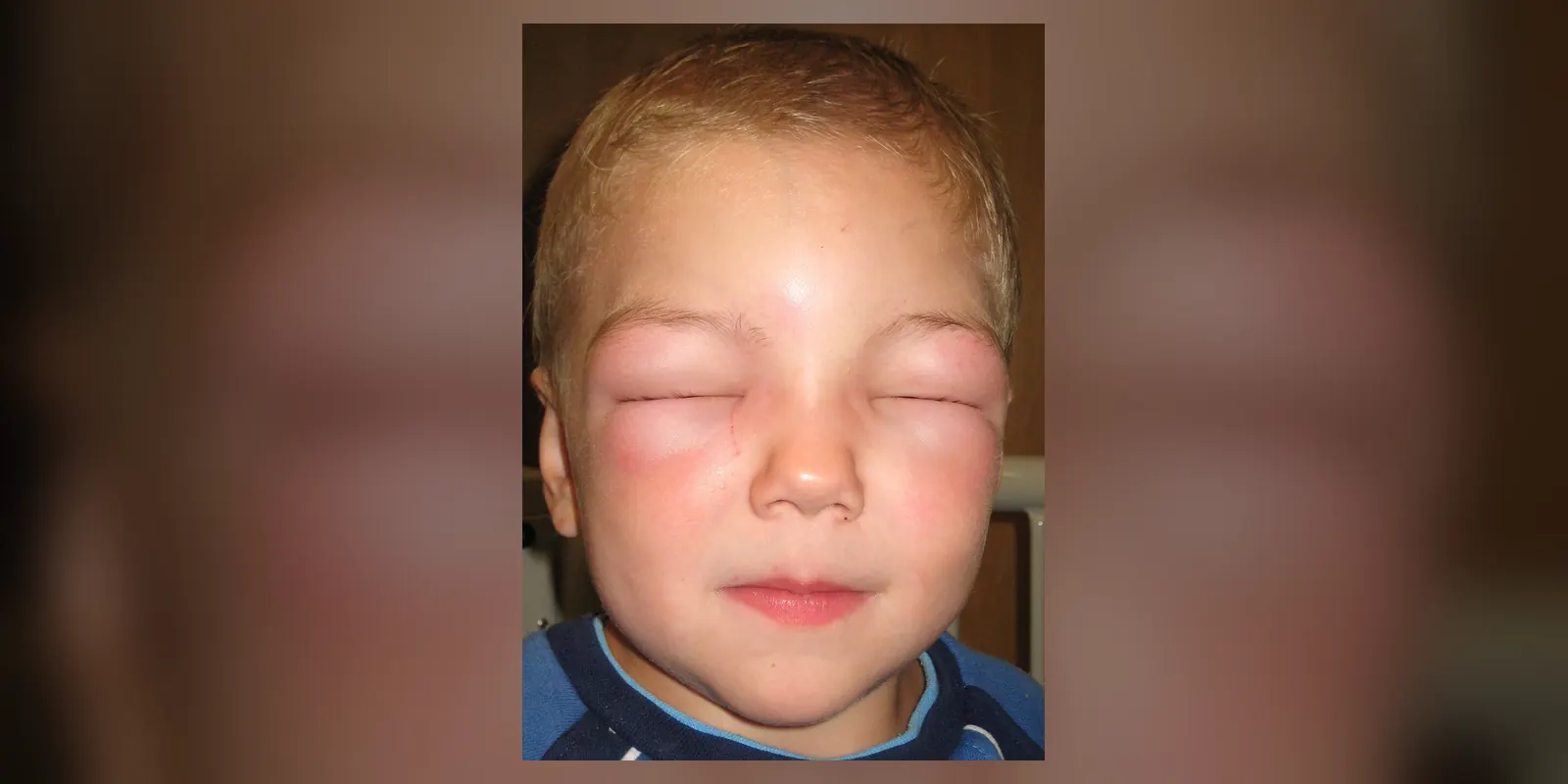
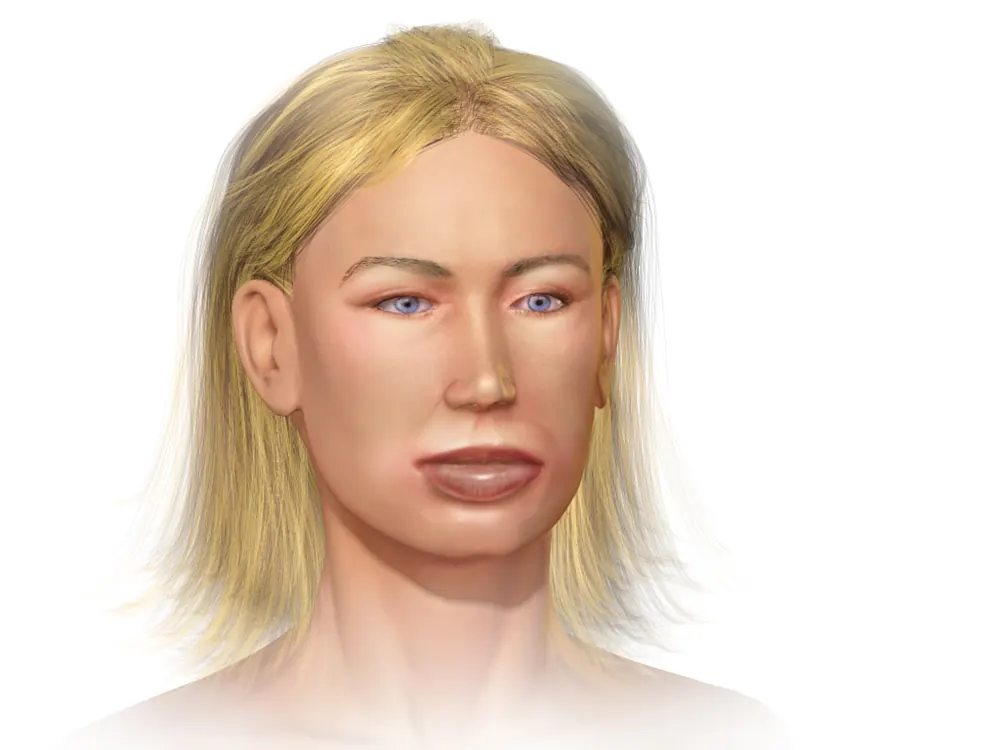
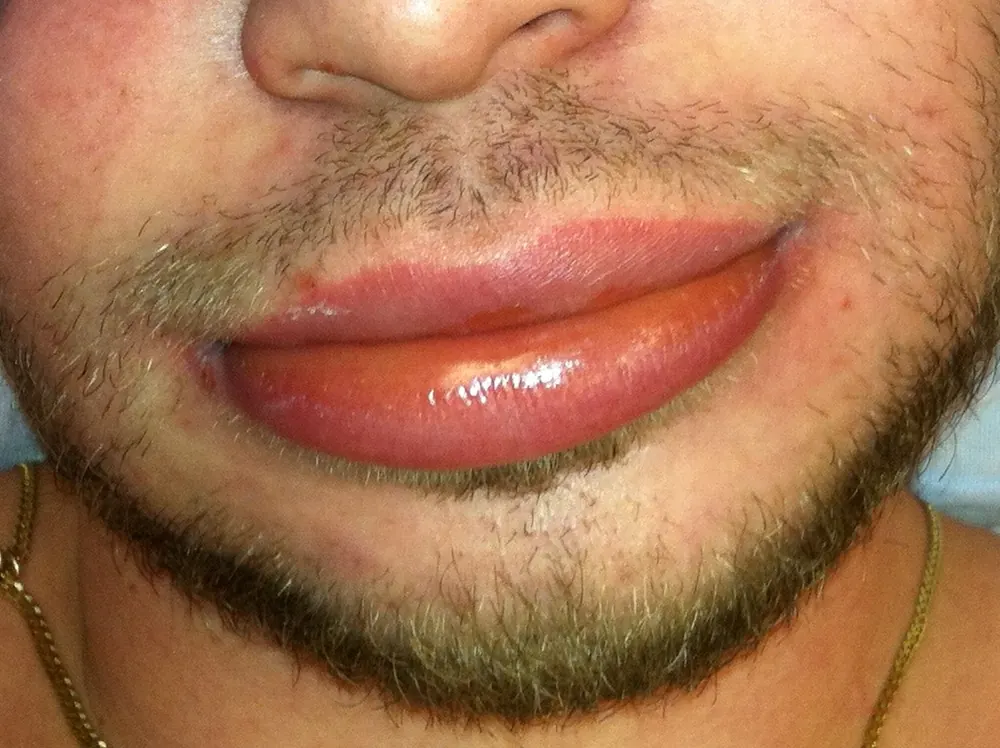
Angioedema is swelling in the deeper layers of the skin and the tissues just beneath, most often affecting the eyes, lips, tongue, face, hands, feet or genitals. It can also affect the throat, which can be dangerous, and the gut, causing abdominal pain.
Angioedema often occurs together with hives (urticaria) as part of an allergic reaction, but it can also happen without hives. Some forms are caused by medicines, especially ACE inhibitors used for high blood pressure, and some are inherited (hereditary angioedema). Most episodes settle within one to three days, but swelling of the tongue or throat is a medical emergency.
Allergic angioedema usually develops within minutes to hours of exposure to a trigger, while non-allergic forms develop more slowly and last longer. Knowing which type is present matters because the treatments differ.
When to get urgent help
Call emergency services immediately for swelling of the tongue or throat, difficulty breathing or swallowing, hoarse voice, or signs of anaphylaxis.
Causes and risk factors
Histamine-related (allergic) angioedema:
- Foods, insect stings, medicines and latex
- Often with hives or anaphylaxis
Bradykinin-related angioedema (no hives):
- ACE inhibitor medicines (such as ramipril, lisinopril), which can cause swelling even after years of use
- Hereditary angioedema (C1 esterase inhibitor deficiency or dysfunction)
- Acquired C1 inhibitor deficiency, linked to lymphoma or autoimmune disease
Other causes:
- Chronic spontaneous urticaria with angioedema
- Non-steroidal anti-inflammatory drugs
- Idiopathic angioedema, with no cause found
How it develops (pathophysiology)
Normal blood vessel function
Small blood vessels in the deep skin (dermis and subcutaneous tissue) and in the lining of the mouth, throat and gut allow a controlled amount of fluid to leave the bloodstream. Their walls are held together by tight junctions between cells. Chemical messengers control how permeable the vessels are.
What goes wrong
Angioedema occurs when these vessels suddenly become leaky, allowing fluid to flood into the deeper tissues. Two main pathways cause this:
1. Histamine pathway (allergic):
- Mast cells in the skin are activated, usually by allergen binding to IgE antibodies.
- They release histamine, leukotrienes and prostaglandins.
- Histamine binds H1 receptors on blood vessels, causing them to widen and leak.
- This is often accompanied by itchy hives and can progress to anaphylaxis.
2. Bradykinin pathway (non-allergic):
- Bradykinin is a peptide that strongly increases vessel permeability by acting on B2 receptors.
- It is produced by the kallikrein-kinin system and broken down by angiotensin-converting enzyme (ACE).
- In hereditary angioedema, a deficiency or malfunction of C1 esterase inhibitor, the main brake on kallikrein, allows bradykinin to build up.
- ACE inhibitors block bradykinin breakdown, so bradykinin accumulates in some people.
- Bradykinin swelling develops more slowly, lasts longer (two to five days), is not itchy and does not respond to antihistamines or adrenaline.
Why the symptoms happen
- Swelling results from fluid leaking into tissues.
- Location in loose tissues such as eyelids, lips and genitals occurs because these areas expand easily.
- Throat swelling can obstruct the airway, causing difficulty breathing or swallowing.
- Abdominal pain, vomiting and diarrhoea result from swelling of the gut wall in hereditary angioedema.
- Itching and hives occur with histamine but not bradykinin angioedema.
How treatment acts on the mechanism
Antihistamines, steroids and adrenaline treat histamine-related angioedema. For bradykinin-related angioedema, C1 esterase inhibitor concentrate restores the missing brake, icatibant blocks bradykinin B2 receptors, and ecallantide inhibits kallikrein. Long-term prevention in hereditary angioedema uses medicines such as lanadelumab (a kallikrein inhibitor antibody) or berotralstat. Stopping ACE inhibitors removes the trigger.
Types
- Allergic (histamine-mediated) angioedema
- ACE inhibitor-induced angioedema
- Hereditary angioedema: types 1, 2 and normal C1 inhibitor forms
- Acquired angioedema
- Idiopathic angioedema
- Angioedema with chronic urticaria
Signs and symptoms
- Swelling of the eyelids, lips, tongue, face, hands, feet or genitals
- Skin may feel tight, warm or painful
- Hives and itching (in allergic forms)
- Difficulty swallowing or speaking
- Hoarse voice or difficulty breathing (throat swelling)
- Abdominal pain, nausea and vomiting (gut swelling)
How it is diagnosed
- History of triggers, medicines and family history
- Examination
- Blood tests: C4 and C1 esterase inhibitor levels and function for suspected hereditary or acquired angioedema
- Allergy testing if an allergic trigger is suspected
- Review of medicines, especially ACE inhibitors
Possible complications
- Airway obstruction, which can be fatal
- Severe abdominal pain and unnecessary surgery in undiagnosed hereditary angioedema
- Anxiety and reduced quality of life
Goals of treatment
Treatment aims to protect the airway, reduce swelling, identify the cause and prevent further episodes.
Medicines
Allergic angioedema:
- Adrenaline if there are signs of anaphylaxis or airway involvement
- Antihistamines
- Steroids
Bradykinin-mediated angioedema:
- C1 esterase inhibitor concentrate
- Icatibant
- Ecallantide (in some countries)
- Stopping ACE inhibitors (and usually avoiding them for life)
- Long-term prevention for hereditary angioedema: lanadelumab, berotralstat, C1 inhibitor or danazol
Other treatments
- Airway management in hospital if swelling affects breathing
- Avoiding triggers
- Emergency action plan for people with hereditary angioedema
Living with it and prevention
- Avoid known allergens
- Avoid ACE inhibitors after an episode of ACE inhibitor-related angioedema
- People with hereditary angioedema should carry on-demand treatment and an action plan
- Pre-treatment before dental or surgical procedures in hereditary angioedema
Monitoring and follow-up
People with recurrent angioedema are followed by allergy or immunology specialists. Those with hereditary angioedema keep a diary of attacks to guide treatment.
Outlook
Most episodes resolve within days. Hereditary angioedema is lifelong but can now be well controlled with modern treatments.
Special considerations
- People taking ACE inhibitors: angioedema can occur after years of use; it is more common in people of African descent
- Hereditary angioedema in pregnancy: needs specialist planning
- Children: hereditary angioedema often starts in childhood or adolescence