
Overview
Amyotrophic lateral sclerosis (ALS) is the most common form of motor neurone disease (MND). It is a progressive condition in which the motor neurones, the nerve cells that control voluntary muscles, gradually stop working and die. As they are lost, muscles weaken and waste away, affecting movement, speech, swallowing and eventually breathing.
ALS usually begins between the ages of 50 and 70 and is slightly more common in men. Thinking and memory are often preserved, although some people develop changes in behaviour or thinking, sometimes amounting to frontotemporal dementia. There is no cure, but treatments, specialist multidisciplinary care, breathing support and nutrition support can improve quality of life and extend survival.
When to get urgent help
Seek urgent help for choking episodes, chest infections, sudden worsening of breathing, or severe distress.
Causes and risk factors
- Sporadic ALS: about 90 percent of cases, with no clear family history; caused by a combination of genetic susceptibility and environmental factors
- Familial ALS: about 10 percent, inherited; the most common genes are C9orf72, SOD1, TARDBP and FUS
- Possible risk factors: older age, male sex, smoking, military service, and exposure to some chemicals or heavy metals; evidence for many factors is uncertain
How it develops (pathophysiology)
Normal motor control
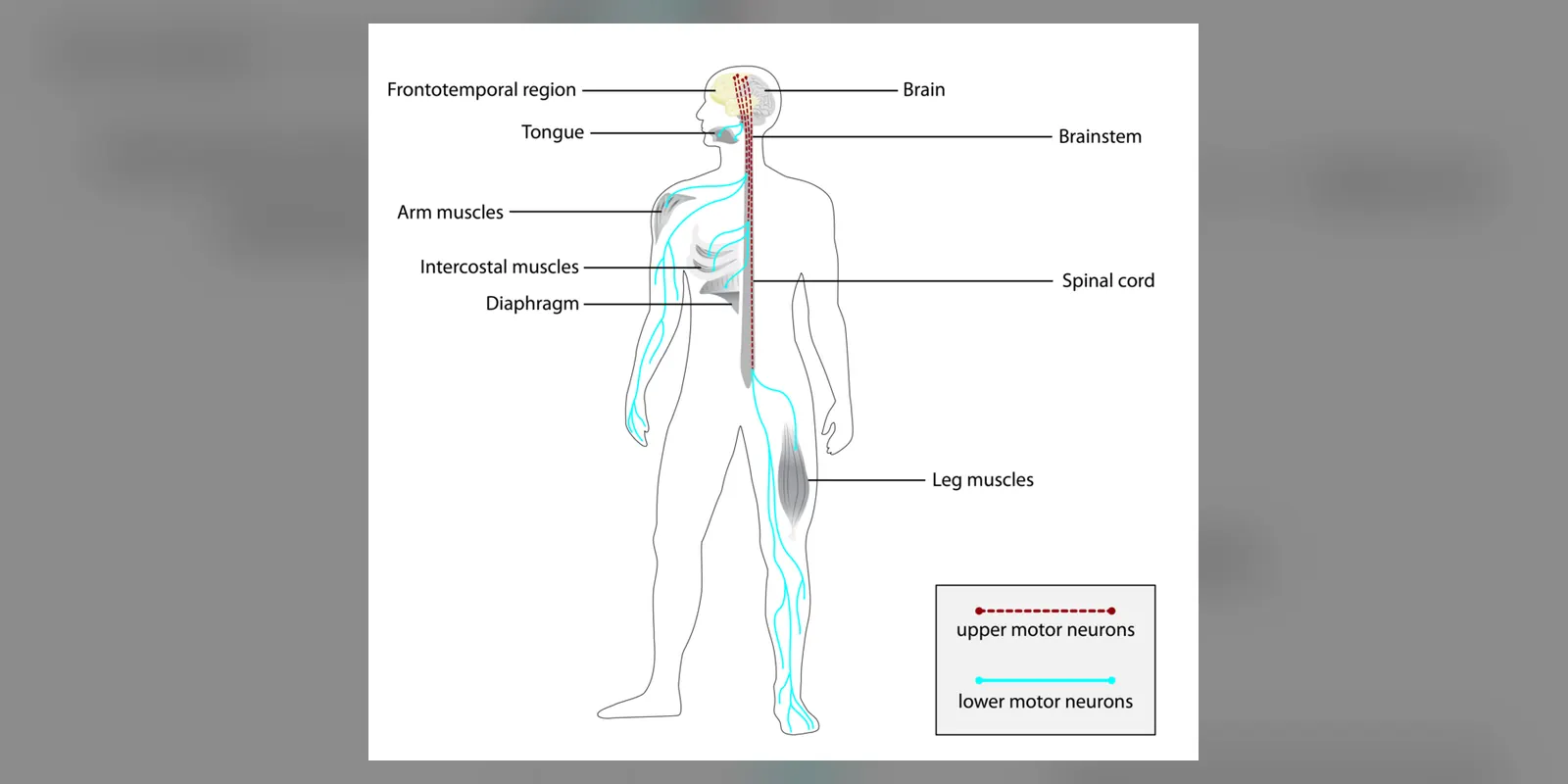
Voluntary movement depends on two sets of motor neurones:
- Upper motor neurones in the motor cortex of the brain send signals down the spinal cord through the corticospinal tracts (which run in the lateral columns of the spinal cord)
- Lower motor neurones in the brainstem and the anterior horns of the spinal cord send signals through peripheral nerves to muscles
Healthy motor neurones are among the largest cells in the body, with very long axons, high energy needs and complex systems for transporting materials along the axon.
What goes wrong
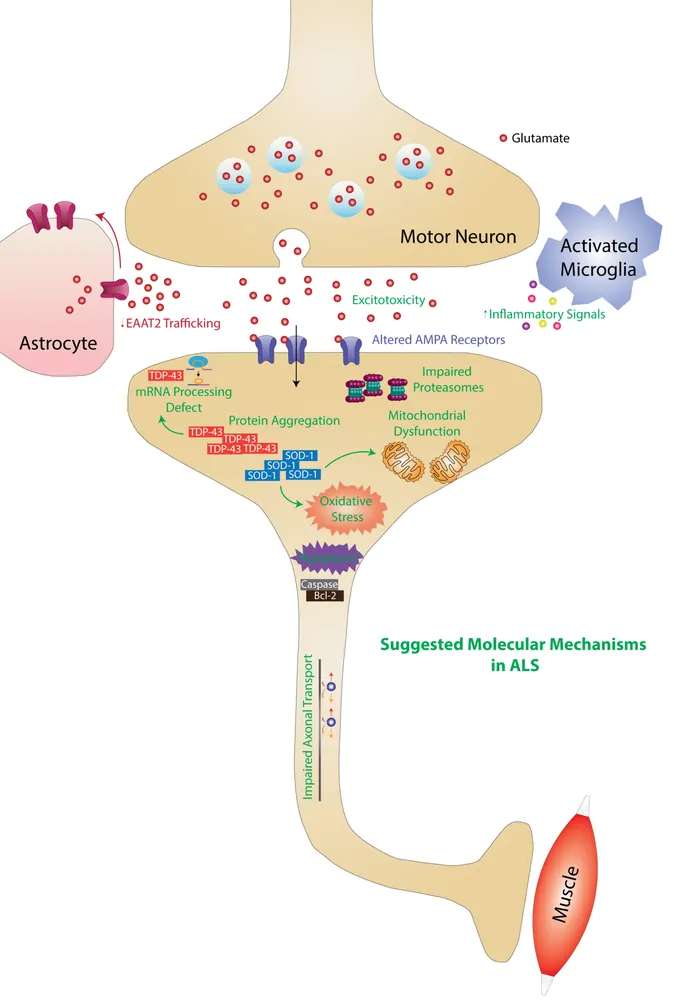
In ALS, both upper and lower motor neurones degenerate. The name describes this: "amyotrophic" means muscle wasting (from lower motor neurone loss), and "lateral sclerosis" refers to scarring of the lateral corticospinal tracts (from upper motor neurone loss). Several overlapping processes contribute:
- Protein aggregation: in about 97 percent of cases, a protein called TDP-43 moves out of the nucleus and clumps in the cytoplasm. This impairs its normal role in processing RNA. In SOD1-related ALS, misfolded SOD1 protein aggregates instead.
- RNA and repeat toxicity: in C9orf72 ALS, an expanded six-letter DNA repeat produces toxic RNA and abnormal dipeptide repeat proteins.
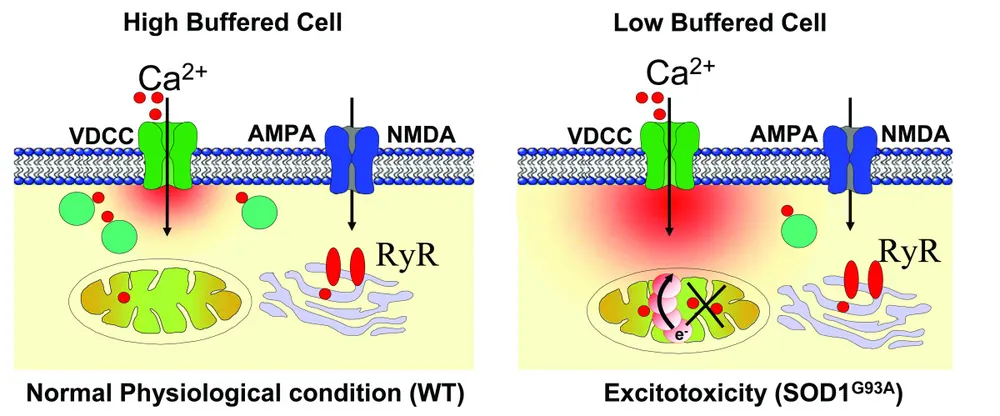
- Excitotoxicity: excess stimulation by the neurotransmitter glutamate, partly because support cells clear less glutamate, causes harmful calcium influx.
- Mitochondrial dysfunction and oxidative stress: reduced energy production damages the energy-hungry neurones.
- Impaired axonal transport: materials cannot move along the long axons.
- Neuroinflammation: microglia and astrocytes become harmful rather than supportive.
- Prion-like spread: misfolded proteins appear to spread from cell to cell, explaining how weakness typically spreads from one region to neighbouring regions.
Why the symptoms happen
- Weakness and muscle wasting result from loss of lower motor neurones, so muscles lose their nerve supply.
- Fasciculations (visible muscle twitching) occur as dying lower motor neurones fire spontaneously.
- Cramps are common for the same reason.
- Stiffness, spasticity and brisk reflexes result from loss of upper motor neurones, which normally regulate reflexes.
- Slurred speech and swallowing difficulty (bulbar symptoms) arise when brainstem motor neurones are affected.
- Emotional lability, uncontrollable laughing or crying, results from damage to pathways controlling emotional expression.
- Breathlessness develops as the diaphragm and breathing muscles weaken.
- Behavioural or cognitive changes reflect involvement of the frontal and temporal lobes, sharing the same TDP-43 pathology as frontotemporal dementia.
- Sensation, eye movements and bladder control are usually spared, because those neurones are relatively resistant.
How treatment acts on the mechanism
Riluzole reduces glutamate release, modestly prolonging survival. Edaravone, used in some countries, acts as an antioxidant. Tofersen, an antisense therapy, lowers SOD1 protein in SOD1-related ALS. Non-invasive ventilation supports weak breathing muscles and improves survival and quality of life. Gastrostomy feeding prevents malnutrition and aspiration when swallowing fails.
Types
- Limb-onset ALS: begins with weakness in the arms or legs
- Bulbar-onset ALS: begins with speech or swallowing problems
- Respiratory-onset: rare
- Related forms of MND: progressive muscular atrophy (lower motor neurones only), primary lateral sclerosis (upper motor neurones only), progressive bulbar palsy
- ALS with frontotemporal dementia (ALS-FTD)
Signs and symptoms
- Weakness in a hand, arm, foot or leg, such as difficulty with buttons, keys or tripping
- Muscle wasting
- Muscle twitching and cramps
- Stiffness
- Slurred speech
- Difficulty swallowing, choking or drooling
- Weight loss
- Uncontrollable laughing or crying
- Breathlessness, especially lying flat
- Morning headaches and poor sleep from weak breathing
- Changes in behaviour, decision-making or language in some people
How it is diagnosed
- Neurological examination showing upper and lower motor neurone signs
- Electromyography (EMG) and nerve conduction studies
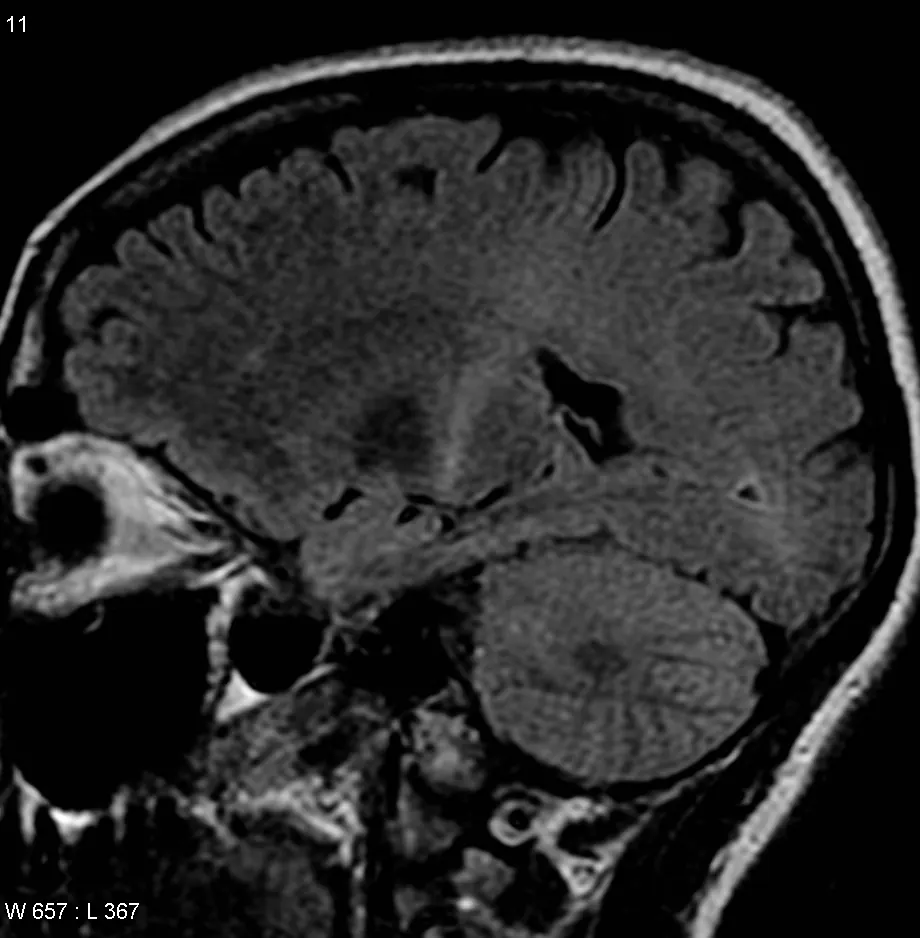
- MRI of the brain and spine to exclude other conditions
- Blood tests to exclude mimics
- Genetic testing, especially with a family history
- Breathing tests: lung function and overnight oxygen levels
- Diagnosis is made by a neurologist, often after excluding other causes
Possible complications
- Breathing failure
- Aspiration pneumonia
- Malnutrition and dehydration
- Falls and injuries
- Depression and anxiety
- Cognitive changes
Goals of treatment
Treatment aims to slow progression where possible, maintain independence and comfort, support breathing and nutrition, and respect the person's wishes about future care.
Medicines
- Riluzole
- Tofersen for SOD1 mutation carriers, where available
- Edaravone in some countries
- Medicines for symptoms: muscle relaxants for spasticity, treatments for cramps, saliva, emotional lability, pain and low mood
Other treatments
- Multidisciplinary care in a specialist clinic
- Physiotherapy and occupational therapy
- Speech and language therapy, communication aids and voice banking
- Dietetic support and gastrostomy (feeding tube)
- Non-invasive ventilation
- Mobility aids and home adaptations
- Palliative care and advance care planning
Living with it and prevention
ALS cannot currently be prevented. Living with ALS is helped by:
- Early involvement of specialist teams
- Planning for future needs, including advance decisions
- Maintaining nutrition and weight
- Staying active within limits
- Support for families and carers
Monitoring and follow-up
People with ALS are reviewed every few months to monitor strength, weight, swallowing, breathing (lung function and oxygen levels), mood and support needs.
Outlook
ALS is progressive and life-limiting. Average survival is two to five years from symptom onset, though about one in ten people live more than ten years. Ventilation and nutrition support can extend survival.
Special considerations
- Families with familial ALS: genetic counselling and testing should be offered
- People with ALS-FTD: need additional support for behavioural changes and decision-making
- Carers: need practical and emotional support