Medical emergency? Call your local emergency number
First aid guides

Menu

Prosthetics & Orthotics: Enhancing Mobility and Function

Prosthetics & Orthotics: Enhancing Mobility and Function Mobility aids 3 min read
Not yet medically reviewed. This page has not been checked by a qualified medical reviewer. Use it for general education only and confirm anything important with a healthcare professional. Written by GeoMed Editorial Team. Last updated 24 October 2026.
Educational content, not sponsored. We do not endorse specific brands or products.

Mobility is more than movement, it’s freedom, independence, and confidence. But for individuals with limb loss or musculoskeletal conditions, even simple tasks can become daily challenges. That’s where prosthetics and orthotics come in. These life-changing devices restore function, prevent complications, and empower users to lead active lives. Whether it’s an artificial limb that mimics natural movement or a brace that supports and stabilizes, the right solution can make all the difference. Let’s break down who benefits from these devices, how they work, and what to consider when choosing one.

Who Needs Prosthetics & Orthotics?

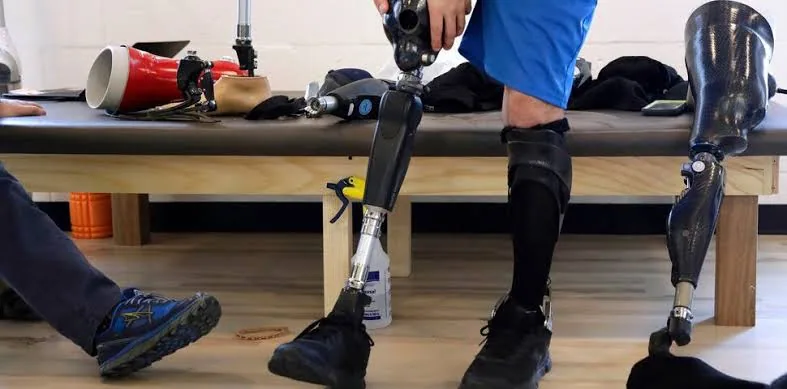
Prosthetics replace lost limbs, while orthotics support and enhance existing ones. The people who rely on them include:

  1. Amputees: Whether due to trauma, disease, or congenital conditions, prosthetics help restore movement and function.

  2. Individuals with Congenital Limb Differences: Some are born with missing or underdeveloped limbs and need prosthetics for better mobility.

  3. People with Neuromuscular or Orthopedic Conditions: Scoliosis, cerebral palsy, polio, and other conditions often require braces for stability and support.

  4. Post-Surgical Patients or Injury Recovery Cases: Temporary orthotics aid in healing and prevent further damage.

  5. Individuals with Chronic Foot or Joint Issues: Custom orthotics correct misalignment, reduce pain, and improve gait.

Types of Prosthetics & Orthotics

These devices come in various forms, each designed to address specific mobility needs.

  1. Prosthetic Limbs

Best for: Individuals with limb loss or congenital deficiencies.

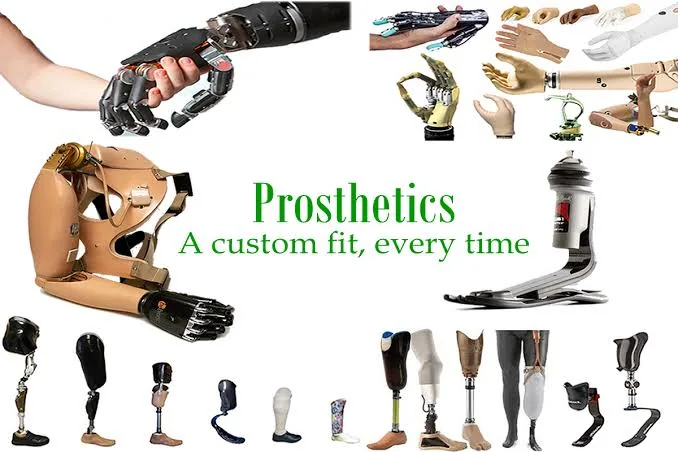
  • Lower-Limb Prosthetics: Designed for walking, running, and even sports performance.

  • Upper-Limb Prosthetics: Enable gripping, lifting, and fine motor tasks.

  • Myoelectric Prosthetics: Use electrical signals from muscles for a more natural range of motion.

  1. Orthotic Braces

Best for: Stabilization, alignment correction, or injury recovery.

  • Leg Braces (AFOs and KAFOs): Support weak or paralyzed legs.

  • Spinal Braces: Help individuals with scoliosis or spinal injuries maintain posture.

  • Wrist and Hand Braces: Assist with conditions like carpal tunnel syndrome.

  1. Foot Orthotics

Best for: Correcting foot posture and reducing pain.

  • Custom Insoles: Improve foot alignment and reduce strain on joints.

  • Heel and Arch Supports: Alleviate discomfort from plantar fasciitis and other conditions.

  • Diabetic Foot Orthotics: Provide extra cushioning to prevent ulcers and pressure sores.

How Prosthetics & Orthotics Improve Lives

  • Beyond mobility, these devices enhance daily life in several key ways:

  • Restoring Functionality: A well-fitted prosthetic or orthotic enables natural movement and comfort.

  • Preventing Further Injury: Orthotics distribute weight evenly, reducing joint and muscle strain.

  • Improving Posture and Balance: Proper support minimizes the risk of falls and misalignment issues.

  • Boosting Confidence and Independence: The ability to move freely encourages social interaction and personal autonomy.
Prosthetics & Orthotics: Enhancing Mobility and Function

Choosing the Right Prosthetic or Orthotic

Finding the right fit requires careful consideration. Here’s what to keep in mind:

  • Lifestyle Needs: A highly active person may require a more advanced prosthetic, while others may benefit from a simple brace.

  • Fit and Comfort: A poor fit can cause pain and limit movement, regular adjustments may be needed.

  • Material and Technology: Lightweight materials and innovative technology can improve ease of use.

  • Medical Guidance: Consulting a specialist ensures the best fit and performance for individual needs.

Care and Maintenance

To ensure longevity and safety, prosthetics and orthotics require proper care:

  • Clean Regularly: Mild soap and water help prevent skin irritation and maintain hygiene.

  • Inspect for Wear and Tear: Check straps, joints, and padding for any signs of damage.

  • Adjust as Needed: Regular visits to a specialist ensure continued comfort and function.
Prosthetics & Orthotics: Enhancing Mobility and Function

  • Practice Skin Care: Keep the area clean and dry to prevent sores or discomfort.

Conclusion

Prosthetics and orthotics aren’t just medical devices, they’re tools of empowerment. Whether it’s regaining the ability to walk, reducing pain, or improving posture, the right device can transform lives. With expert guidance, proper care, and a commitment to mobility, individuals can take control of their movement and reclaim their independence.
Image credits

  • Heading image: GeoMed

More Medical devices

View all
Mastering Stents: A Comprehensive Guide to Types, Placement, and Medical Applications Surgical & implantable devices

Mastering Stents: A Comprehensive Guide to Types, Placement, and Medical Applications

Stents have become indispensable in modern medicine. From restoring blood flow in blocked arteries to relieving obstructions in ducts and airways, these tiny mesh tubes have revolutionized how we manage a wide range of critical health conditions. In this comprehensive guide, we explore the fundamentals of stents, including their types, placement procedures, clinical applications, and the factors that influence their success. Whether you are a medical student, healthcare professional, or simply interested in how these life-saving devices function, this article provides the clarity and depth needed to fully understand stents and their role in clinical practice.

4 min read
The Power-PRO Stretcher: Revolutionizing Emergency Patient Transport Hospital & emergency equipment

The Power-PRO Stretcher: Revolutionizing Emergency Patient Transport

In high-stress emergency situations, every second counts and every movement matters. For paramedics and emergency responders, transporting patients safely and efficiently can make the difference between life and death. That’s where the Power-PRO Stretcher comes in a groundbreaking innovation that has transformed how patients are lifted, moved, and transported in ambulances.

3 min read
This New Surgical Technology Lets Doctors Navigate the Body Like a 3D Map Surgical & implantable devices

This New Surgical Technology Lets Doctors Navigate the Body Like a 3D Map

Eleven times more accurate. That's the stunning precision improvement surgeons are achieving with 3D surgical navigation systems compared to traditional freehand techniques! While GPS revolutionized how we navigate streets and highways, a similar transformation is quietly revolutionizing operating rooms worldwide turning the human body into an interactive 3D map that surgeons can follow with millimeter precision. Gone are the days when surgeons relied solely on their experience and intuition to navigate complex anatomy. Today's operating rooms are becoming high-tech command centers where sophisticated tracking systems guide surgical instruments through the body's intricate pathways, much like a GPS guides your car through unfamiliar territory. This isn't science fiction it's happening right now in hospitals across the globe, and the results are nothing short of remarkable.

6 min read
Are Vibration Plates Worth It? Science-Backed Benefits and How to Use Them Right Fitness & wellness devices

Are Vibration Plates Worth It? Science-Backed Benefits and How to Use Them Right

"A 10-minute session on a vibration plate can engage your muscles as much as an hour of conventional training." That’s not just hype it’s a growing body of research. And it’s got people, from gym-goers to physical therapists, talking. You’ve probably seen those strange-looking platforms in a gym corner or on a wellness website. They vibrate. You stand or squat on them. And supposedly, magic happens. But are vibration plates a shortcut to fitness or just another fleeting trend? The answer lies somewhere in between. Used the right way, they can be a powerful tool in your wellness routine. Used the wrong way, they can be useless or worse, cause harm. Let’s break down what they do, what science says, and most importantly, how to use them safely and effectively.

3 min read