1 year ago


Posted 8 months ago 1472 views 10 mins read
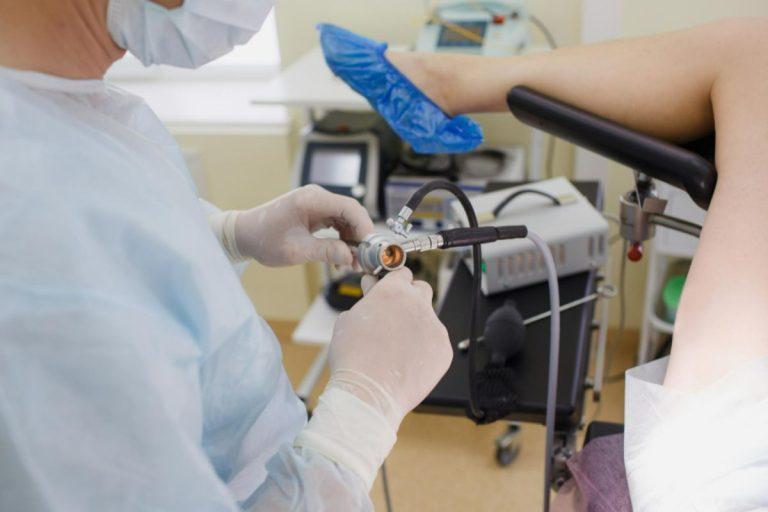
Here's a sobering reality that stops many people in their tracks: one in three adults eligible for colorectal cancer screening are not up to date with their testing intervals. Yet colonoscopy screening has achieved something remarkable in medicine it's cut the risk of dying from colorectal cancer in half since 1980! As someone who has spent years guiding patients through critical health decisions, I can tell you that this simple procedure represents one of our most powerful weapons against the second leading cause of cancer deaths in America. The numbers don't lie. When people actually undergo screening colonoscopy, deaths from colorectal cancer plummet by 50%. That's not just a statistic that's thousands of families who don't have to say goodbye too early, thousands of people who get to see their grandchildren grow up.
Detection and Prevention in One Procedure
What makes colonoscopy the gold standard isn't just its ability to find cancer. It's the unique capacity to prevent cancer from ever developing. During the procedure, gastroenterologists don't simply observe they actively remove precancerous polyps called adenomas before they can transform into malignant tumors.
The statistics speak volumes about this preventive power. One in three people will have precancerous polyps removed during their colonoscopy, according to recent data from Endeavor Health. More importantly, removing neoplastic polyps reduces your risk of developing colorectal cancer by an impressive 80%.

Harvard Medical School researchers have documented colonoscopy's effectiveness extensively. Past research shows that colonoscopy is associated with as much as a 69% decrease in new cases of colorectal cancer and an 88% decrease in the risk of death from it.
Even a recent randomized controlled trial published in The New England Journal of Medicine, which initially generated concerning headlines, ultimately reinforced colonoscopy's value. When researchers analyzed only those people who actually underwent the procedure (rather than just those invted), colonoscopy reduced colorectal cancer cases by 31% and deaths by 50%.
You know what patients often tell me? "I kept putting it off because I was scared of what they might find." But here's what I tell them the real fear should be what we won't find if you don't get screened.
When Should You Get Your First Colonoscopy?
The landscape of colorectal cancer screening changed dramatically in 2021. The American Cancer Society now recommends that people at average risk start regular screening at age 45 a full five years earlier than previous guidelines.

Why the change? Rising rates of colorectal cancer in younger adults forced this critical adjustment. Since 1980, we've witnessed a staggering shift: whereas colorectal cancers in people under 50 once represented a small fraction of cases, now it's closer to one in three diagnoses.
Read also : 10 Silent Signs of Colon Cancer You Can't Ignore Protect Yourself Today.
Not everyone follows the same timeline. If you have:
•A family history of colorectal cancer or certain polyps
•Personal history of inflammatory bowel disease
Known genetic syndromes like Lynch syndrome or familial adenomatous polyposis
Your screening may need to begin much earlier sometimes in your twenties or thirties.
For people at average risk who maintain good health, screening should continue through age 75. Between ages 76 and 85, the decision becomes individualized based on your overall health, life expectancy, and previous screening history.
Comprehensive Colon Health Assessment
Colonoscopy reveals far more than just cancer or polyps. During the procedure, physicians evaluate:
•Inflammatory conditions like colitis
•Vascular malformations
•Structural abnormalities
•Sources of unexplained bleeding
I've seen countless patients whose mysterious symptoms chronic anemia, unexplained fatigue, intermittent abdominal pain finally received answers through colonoscopy.

There's something profoundly powerful about knowing your colon is healthy. Patients frequently describe the psychological relief following a clean colonoscopy. "I can finally stop worrying about every stomach ache," one patient recently told me.
Let's be honest about why screening rates remain suboptimal. The barriers are real:
"The prep is terrible." Modern bowel preparation solutions have improved significantly. Split-dose regimens are more tolerable and equally effective.
"I can't take time off work." Most procedures are completed within 30 minutes, and many facilities offer early morning or late afternoon appointments.
"What if they find something?" Early detection dramatically improves outcomes. The five-year survival rate for localized colorectal cancer exceeds 90%.
"It's embarrassing." Medical professionals perform these procedures daily with complete professionalism and attention to patient dignity.
I've heard patients say, "I'll get around to it next year." But here's what delays cost: Every year you postpone screening, polyps have more time to grow and potentially transform. Early-stage colorectal cancer often produces no symptoms whatsoever.
Choosing the Right Provider
Not all colonoscopy providers are equal. Look for:
•Board-certified gastroenterologists or colorectal surgeons
•High adenoma detection rates (ask about their statistics)
•Accredited facilities with experienced nursing staff
•Clear communication about preparation and follow-up care
Successful colonoscopy begins with proper preparation. Follow your physician's instructions precisely inadequate preparation leads to missed lesions and repeat procedures.
After years of counseling patients through this decision, I can state this unequivocally: colonoscopy screening works. When performed properly and on schedule, it prevents cancer, saves lives, and provides invaluable peace of mind.
The question isn't whether you need colonoscopy screening the evidence overwhelmingly supports its value. The question is when you'll schedule yours.
Don't become another statistic in the "one in three" who remains unscreened. Your future self will thank you for making this appointment today.

Leading the way in health excellence through innovation, expertise, care and support.