

Posted 1 year ago 2119 views 5 mins read
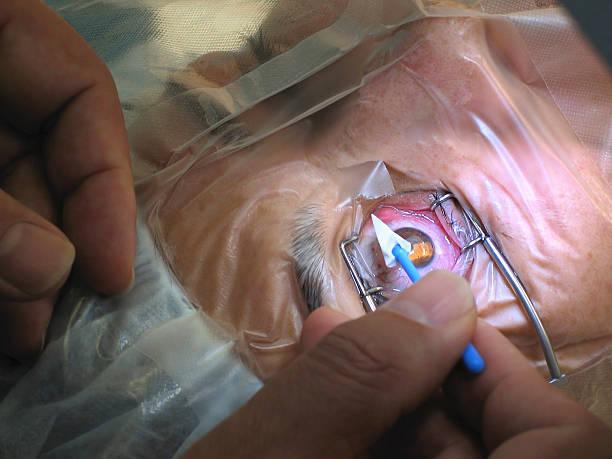
Blurred vision, dim lights, and an ever-present haze—cataracts creep up slowly, turning once-vibrant colors into a dull, lifeless blur. You might chalk it up to aging. You might even ignore it for a while. But here’s the truth: cataracts won’t go away on their own. The good news? Cataract surgery is one of the safest and most effective procedures out there, with over 95% of patients regaining clear vision after the procedure! If your vision is getting in the way of daily life—driving, reading, or even recognizing faces—it’s time to take action. Here’s everything you need to know about cataract surgery, from what to expect to how to make the smoothest recovery possible.
Cataract surgery is a simple yet life-changing procedure that removes a cloudy lens from the eye and replaces it with a clear, artificial intraocular lens (IOL). Cataracts form when proteins in the eye’s lens clump together, making vision blurry or distorted. While they’re most commonly age-related, cataracts can also be caused by diabetes, prolonged steroid use, excessive UV exposure, or past eye injuries.

The procedure is outpatient, quick (15-30 minutes per eye), and virtually painless. Most people go home the same day with improved vision within 24-48 hours!
Cataracts don’t just make things look fuzzy—they can seriously impact safety and quality of life. If you’re experiencing any of these symptoms, cataract surgery might be your best option:
If left untreated, cataracts can lead to significant vision loss. But with cataract surgery, you don’t have to live in the haze.

The Surgery: What to Expect
Cataract surgery is one of the most common surgeries in the world. Here’s a breakdown of what happens:
Before Surgery
A full eye exam determines the severity of your cataract and the best IOL for you.
During the Procedure

Your new artificial lens (IOL) determines how well you see after surgery. Options include:
Choosing the right lens depends on your lifestyle. Want to ditch glasses altogether? Premium IOLs may be worth considering
Most patients notice a dramatic improvement within 24-48 hours, though full recovery can take a few weeks. Follow these steps for a smooth healing process:
Immediate Recovery
Rest for the first 24 hours—avoid any strain.
Expect some blurriness initially as your eye adjusts.
You may experience mild discomfort or itching—but don’t rub your eye!

The First Few Weeks
While complications are rare, seek medical attention if you experience:
Cataract surgery is incredibly safe, but like any medical procedure, there are risks:
These complications are uncommon and treatable—which is why follow-ups with your eye doctor are essential.
Imagine seeing the world in high definition again. That’s what most people experience after cataract surgery!
Many people find they need little to no glasses after surgery, especially if they opt for premium IOLs.
Cataracts don’t have to steal your vision. Cataract surgery is fast, safe, and can restore your ability to see clearly, drive confidently, and enjoy life without struggling to read menus or recognize faces. If cataracts are affecting your daily life, talk to your doctor today and take the first step toward clearer vision!
Leading the way in health excellence through innovation, expertise, care and support.