

Posted 1 year ago 389 views 4 mins read
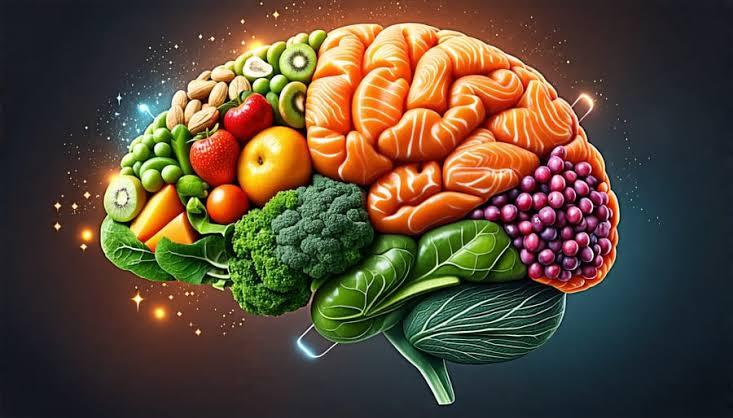
Let food be thy medicine and medicine be thy food.” This famous quote by Hippocrates highlights the profound connection between what we eat and how we feel—not just physically but mentally too. Emerging research reveals that our dietary choices can significantly influence brain health and mental well-being. In a world where stress and mental health issues are on the rise, understanding the role of nutrition in mental health is more crucial than ever. In this article, we’ll dive into how the food you eat affects your mood, brain function, and mental resilience. We’ll also share actionable tips for integrating brain-boosting foods into your diet.

Your brain and gut are in constant communication through what’s called the gut-brain axis. This communication system links the emotional and cognitive centers of the brain with your intestinal functions. Did you know your gut produces about 90% of the body’s serotonin, the “feel-good” neurotransmitter?
Eating an unbalanced diet can disrupt this connection, leading to inflammation and an imbalance in gut bacteria, which are linked to mental health issues like anxiety and depression. On the other hand, a balanced diet rich in nutrients promotes a healthy gut microbiome, which positively impacts your mood and cognitive abilities.

Certain nutrients play a pivotal role in maintaining optimal brain function and emotional balance:
1.Omega-3 Fatty Acids
Found in fatty fish like salmon, walnuts, and flaxseeds, omega-3s are essential for brain health. They reduce inflammation and support the production of neurotransmitters like serotonin and dopamine, which regulate mood.
2.B Vitamins
Vitamins like B6, B9 (folate), and B12 are crucial for energy production and the synthesis of mood-regulating neurotransmitters. Leafy greens, eggs, and legumes are excellent sources.
3.Magnesium
Magnesium helps regulate the stress response system. Foods like dark chocolate, almonds, and spinach can help boost your magnesium levels.
4.Probiotics
Fermented foods like yogurt, kefir, and kimchi contain probiotics, which support a healthy gut microbiome and may reduce symptoms of anxiety and depression.
5.Antioxidants
Found in colorful fruits and vegetables, antioxidants combat oxidative stress, which is linked to brain aging and mood disorders.

Fruits and Vegetables: Rich in vitamins and antioxidants, these should form the cornerstone of your diet.

Some foods can negatively impact mental health:
Plan Your Meals: Create a weekly meal plan to ensure a balanced intake of essential nutrients.
The relationship between nutrition and mental health is undeniable. While a balanced diet isn’t a cure-all, it’s a powerful tool for improving mood, reducing stress, and enhancing overall well-being. By making mindful food choices, you’re not just nourishing your body—you’re investing in your mental health.
Leading the way in health excellence through innovation, expertise, care and support.