

Posted 1 year ago 2265 views 5 mins read
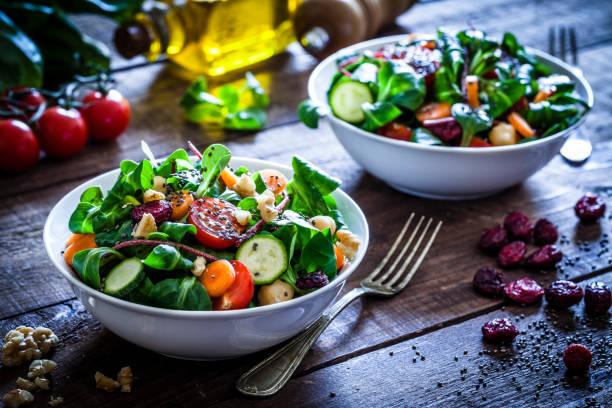
Consumers spent over $60 billion on organic food in the U.S. alone in 2023"—and for good reason. Organic food isn't just a trend; it's a lifestyle shift that's reshaping the way we approach health and nutrition. Whether you're looking to reduce your chemical exposure, boost your nutrient intake, or simply eat fresher, organic foods offer an array of benefits. But how can you integrate them into your busy life without breaking the bank? Let’s dive into why organic foods deserve a place in your diet—and how to make the switch without stress.

"Consumers spent over $60 billion on organic food in the U.S. alone in 2023"—and for good reason. Organic food isn't just a trend; it's a lifestyle shift that's reshaping the way we approach health and nutrition. Whether you're looking to reduce your chemical exposure, boost your nutrient intake, or simply eat fresher, organic foods offer an array of benefits. But how can you integrate them into your busy life without breaking the bank? Let’s dive into why organic foods deserve a place in your diet—and how to make the switch without stress.

The decision to go organic is often driven by the desire for a cleaner, more sustainable diet. But there’s much more to it than just avoiding pesticides.
1.Fewer Chemicals, Better Health
Organic foods are grown without the use of synthetic pesticides, herbicides, or fertilizers. This means fewer chemicals entering your body with each bite. While you can never fully escape exposure to environmental toxins, eating organic helps minimize it. You’re cutting out one more source of possible harm.
2.A Nutrient Boost
It's not just about what’s not in organic food, but also what’s in it. Studies suggest that organic produce can have higher levels of key nutrients—especially antioxidants, which help protect your cells from damage. So, eating organic doesn’t just feel better; it may actually nourish you better.
3.No GMOs
Organic foods are free from genetically modified organisms. For many, this is a deal-breaker. Whether it’s due to health concerns or ethical reasons, the fact that organic certification guarantees GMO-free status is a significant draw.
4.Supporting Sustainability
Organic farming practices are gentler on the planet. They protect soil health, reduce water contamination, and support biodiversity. By choosing organic, you’re helping the environment thrive, too.
5.Taste Matters
Let’s face it: when food tastes better, we enjoy it more. Many people agree that organic fruits, vegetables, and meats have a more vibrant, natural flavor. It’s not just your imagination—food grown with care in nutrient-rich soil really does taste different.

Making the leap to organic doesn’t mean overhauling your entire diet overnight. Start small, and gradually build your organic shopping habits. Here’s how to do it:
1.Start with Staples
You don’t need to go all-in. Begin with foods you consume most often. Common ones like apples, leafy greens, and eggs are great starting points. They’re easy to find organically and often high on the list of items that benefit most from being grown without chemicals.
2.Focus on the Dirty Dozen
Certain fruits and vegetables tend to have higher pesticide residues. For these, organic is often a wise choice. The Environmental Working Group’s "Dirty Dozen" includes items like strawberries, spinach, and potatoes. These are where you’ll get the most impact for your organic dollar.
3.Shop Smart
I get it—organic food can seem expensive. But there are ways to make it affordable. Farmers’ markets often have fresh, local organic produce at lower prices than big stores. And don't forget about sales or discounts at your local grocery store! It’s about being strategic and mindful.
4.Grow Your Own
If you’ve got the space and the time, why not try growing your own organic herbs, vegetables, or fruits? You don’t need a large garden—start with pots of basil or tomatoes. It's incredibly rewarding and lets you control exactly what goes into your food.
5.Know Your Labels
Not all “organic” labels are created equal. Look for the USDA Organic seal to ensure the food meets strict organic standards. This means no GMOs, no synthetic pesticides, and no harmful additives.

So, what should you pick up on your next grocery run? These foods are a great place to start:

We all know that eating organic can feel like a stretch on the budget. But with a little planning, it doesn’t have to be. Here are a few tips:
Organic food is about more than just eating clean—it’s about making a commitment to your health, your community, and the planet. By starting small and shopping strategically, you can enjoy the many benefits of organic foods without feeling overwhelmed. Whether you choose organic for better nutrition, fewer chemicals, or a cleaner environment, it’s a step toward a healthier, more sustainable lifestyle. So, why not take that first step today?
Leading the way in health excellence through innovation, expertise, care and support.