

Posted 1 year ago 12420 views 3 mins read
Ever feel like you’re doing everything right—choosing healthy foods, exercising regularly—yet still not seeing the results you want? The missing link might be portion control. Research shows that portion sizes have drastically increased over the past few decades, leading many of us to consume more calories than we realize.

Ever feel like you’re doing everything right—choosing healthy foods, exercising regularly—yet still not seeing the results you want? The missing link might be portion control. Research shows that portion sizes have drastically increased over the past few decades, leading many of us to consume more calories than we realize.
Here’s the kicker: eating too much, even of healthy foods, can contribute to weight gain, sluggishness, and other health issues. Portion control is less about restriction and more about balance. In this article, we’ll demystify portion control and give you actionable tips to eat the right amount for your body.
Portion control is the practice of eating the right amount of food to meet your nutritional needs without overeating. It’s not the same as a serving size, which is a standardized amount often listed on food labels. Your portion might be bigger or smaller, depending on your needs.

Portion control is about balance, not deprivation. It helps you:
Maintain a Healthy Weight: Prevent overeating and unnecessary calorie intake.
Quick Stat: Studies show that people tend to eat 30% more when presented with larger portions, regardless of hunger.
Forget complicated scales or measuring tools—your hands can guide you.
Pro Tip: Use smaller plates to make portions look more satisfying and reduce the temptation to over-serve.

A. Start with Smaller Portions
You can always go back for seconds if needed. Start small and assess your hunger after finishing your first portion.
B. Eat Mindfully
Avoid distractions like TV or scrolling on your phone while eating. Focus on your food, chew slowly, and savor each bite.
C. Read Food Labels
Pay attention to serving sizes on food packaging. Compare this with the amount you typically eat to gauge your portions.
D. Pre-Portion Snacks
Divide snacks like nuts or chips into small bags instead of eating directly from the package.

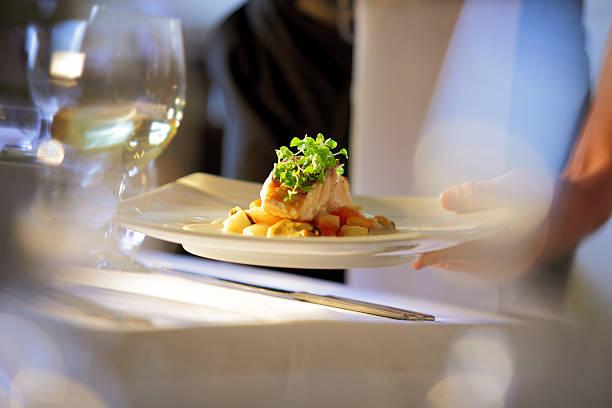
Restaurant portions are notoriously oversized. Here’s how to stay in control:
One of the best ways to master portion control is to listen to your body.
Solution: Fill half your plate with veggies before adding anything else.

Here’s an example of a day with balanced portions:
Portion control isn’t about dieting or restriction—it’s about eating just enough to fuel your body without overloading it. By learning to recognize appropriate portions and listening to your body’s signals, you can enjoy your meals guilt-free while staying healthy.
Leading the way in health excellence through innovation, expertise, care and support.